In the world of warehouse logistics, the choice of racking systems is crucial. Understanding "What is the difference between roll-formed and structural steel racking" is key for decision-makers. Industry expert, John Smith, a renowned racking solutions consultant, emphasizes, “The choice between these systems can impact efficiency and safety.”
Roll-formed racking systems are typically lighter and more cost-effective. They offer flexibility in design, making them suitable for various storage needs. On the other hand, structural steel racking is heavier and more robust, providing enhanced durability. This type excels in heavy-duty applications, where strength is paramount.
Yet, choosing the right system often presents challenges. Some warehouse managers may overlook key factors like load capacity or installation ease. Therefore, considering both types carefully is essential. Reflecting on these differences can lead to smarter choices, ultimately enhancing warehouse operations.
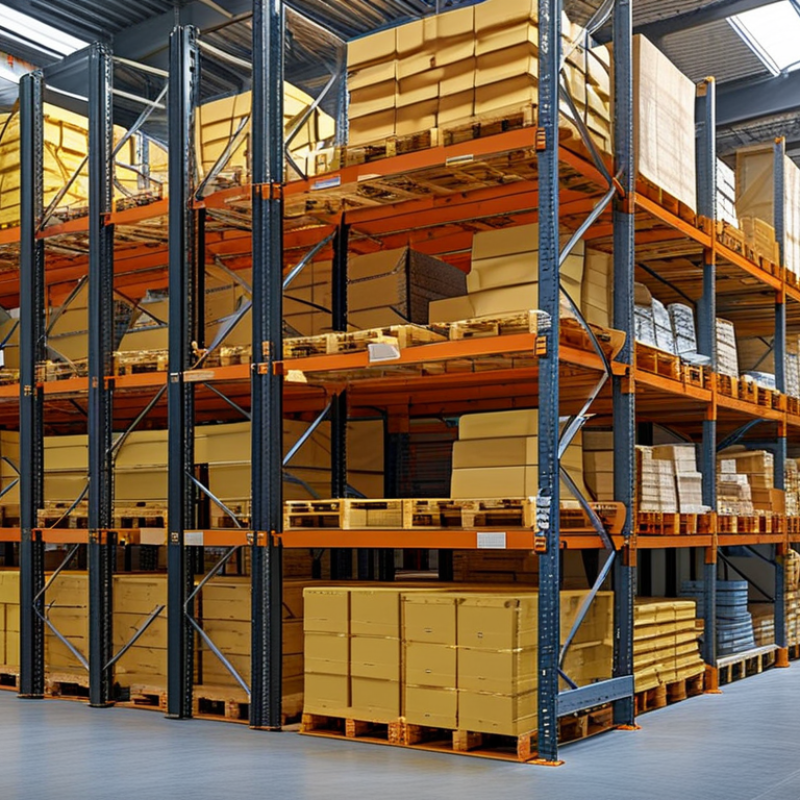
When choosing racking systems, understanding the differences between
roll-formed and
structural steel is essential.
Roll-formed racking is typically
lighter. This makes installation easier and faster. These racks are often
more cost-effective and flexible. However, they may not be as durable under
heavy loads. Businesses with fluctuating inventory levels often prefer
this type.
In contrast, structural steel racks
are robust. They are designed to handle heavier loads and extreme conditions.
These racks offer long-lasting performance but can be more expensive. They
require more effort in terms of installation and modification. This can
delay workflow if adjustments are needed.
Tips: Always assess your specific storage
needs before selecting a racking system. Consider factors like load capacity
and available space. Regular inspections can help identify potential weaknesses
in your choice. Reflect on your inventory's nature. The right racking can
enhance efficiency, but it requires thoughtful planning.
Roll-formed steel racking is a popular choice in warehousing and distribution centers. Its design allows for lightweight construction while maintaining strength and durability. The unique process of roll-formation shapes steel into various profiles, making it suitable for different storage needs. These racks are often used in environments that require quick adjustments, such as retail displays and automated warehouses.
The applications of roll-formed steel racking extend beyond mere storage. Industries utilize these racks for their flexibility. For instance, the adjustable features enable easy reconfiguration, accommodating various product sizes. This adaptability can lead to enhanced efficiency in space utilization. However, it’s worth noting that while roll-formed racking offers many advantages, it may have limitations in extreme load capacities compared to structural steel options.
Users should assess each project’s specific requirements. Understanding the unique properties of roll-formed steel racking helps in making informed decisions. Misjudging the load demands can lead to safety concerns. Regular evaluations and maintenance can prevent potential issues and ensure longevity in usage. Overall, roll-formed steel racking presents an effective solution for diverse storage challenges.
When exploring structural steel racking, it's crucial to weigh its advantages and limitations carefully. Structural steel racking systems offer superior strength and durability. According to a recent industry report, they can hold up to 20% more weight than conventional roll-formed options. This high load-bearing capacity is essential for warehouses with heavy inventory demands. Businesses often prefer steel racking for its longevity; it can withstand harsh conditions without compromising integrity.
However, there are notable limitations. Structural steel racking is generally more expensive to install than roll-formed alternatives. The initial costs can range significantly, often making budgeting challenging for smaller enterprises. Additionally, while the durability is an advantage, the rigidity of steel systems may limit flexibility and adaptability. Companies may find it hard to reconfigure layouts without additional costs or effort. Industry experts emphasize the need for a thorough analysis of long-term needs versus initial investment when choosing between these types of racking.
When comparing roll-formed and structural steel racking systems, strength and durability are key considerations. Roll-formed racking is generally lighter and offers good flexibility. However, it may not withstand heavy loads as effectively as structural steel. Its design allows for quick installation and adjustment, making it appealing for dynamic environments.
Structural steel racking, on the other hand, is known for its robustness. It excels in heavy-duty situations, providing excellent resistance to deformation. The durability of structural steel means it can handle wear and tear over the years. But, it often comes with a higher upfront cost and requires more time for setup.
Interestingly, both types have their place in various applications. A warehouse with changing inventory might benefit from roll-formed options. Yet, a facility needing maximum strength under heavy load would likely choose structural steel. Assessing specific needs is crucial for making the right decision. Each type presents unique benefits and trade-offs that warrant careful consideration.
When considering racking systems, cost plays a crucial role. Roll-formed steel racking is often less expensive upfront. However, this can be misleading. While installation is straightforward, the long-term costs might increase due to durability concerns. Roll-formed systems may not handle heavy loads as effectively. This could result in additional replacements over time.
On the other hand, structural steel racking is more expensive initially. Its strength is a significant advantage. Installation is more complex, requiring skilled labor. This may increase initial investments. However, structural racks are durable. They often have a longer lifespan, reducing replacement costs over years.
Business owners should weigh these factors carefully. Short-term savings can lead to future expenses. Understanding the load capacity and installation requirements is vital. In some cases, choosing quality over cost may prove beneficial in the long run. Every decision carries weight in operational efficiency.
| Feature | Roll-Formed Steel Racking | Structural Steel Racking |
|---|---|---|
| Cost | Lower initial cost | Higher initial cost |
| Weight | Lighter weight | Heavier weight |
| Strength | Moderate strength | High strength |
| Installation Time | Quicker installation | Longer installation time |
| Flexibility | More flexible design options | Less flexible design options |
| Load Capacity | Lower load capacity | Higher load capacity |
| Maintenance | Lower maintenance needed | More maintenance required |
: Structural steel racking offers superior strength, durability, and can hold up to 20% more weight than other options.
Yes, it is generally more expensive to install and can limit flexibility in reconfiguring layouts.
Roll-formed racking is lighter and more flexible but may not handle heavy loads as well as structural steel.
Roll-formed racking has a straightforward installation process, making it appealing for dynamic warehouse environments.
While it has a higher upfront cost, its durability and longevity may lead to lower replacement costs over time.
It is crucial. Each type of racking offers unique benefits and trade-offs that require careful consideration.
Short-term savings on cheaper options might lead to higher future expenses due to durability concerns.
Structural steel requires skilled labor for installation, adding to initial costs but often compensating with longer lifespan.
Yes, facilities with changing inventory might benefit from roll-formed systems, while those needing heavy-duty support may choose steel.
Load capacity, installation requirements, and long-term costs can significantly influence overall operational efficiency.
The article "2026 Best Roll-Formed vs Structural Steel Racking Differences" delves into the key distinctions between roll-formed and structural steel racking systems. It addresses the fundamental question: "What is the difference between roll-formed and structural steel racking?" Roll-formed steel racking is typically lighter and easier to assemble, making it ideal for a variety of applications, whereas structural steel racking is known for its robustness and ability to carry heavier loads, albeit at a higher cost and installation complexity.
Additionally, the article explores the advantages and limitations of each type, emphasizing the comparative strength and durability. It provides valuable insights into cost considerations and the installation processes associated with both racking systems, aiding readers in making informed decisions based on their specific needs and operational requirements.

Lush Rack