China Top Standard Height Clearance for Warehouse Pallet Racking?

Time:2026-07-26 Author:Amelia
0%

In the world of logistics and warehousing, understanding the standard height clearance for warehouse pallet racking is crucial. Proper height clearance ensures safety and maximizes storage efficiency. When considering the design of your warehouse, accurate measurements are non-negotiable. They impact not only the capacity for goods but also employee safety.

Often, businesses overlook the intricacies of height clearance, leading to mistakes. What is the standard height clearance for warehouse pallet racking? This question is vital for effective space utilization. Industry standards suggest that a minimum of 12 feet is ideal for maintaining operations with forklifts. However, this is just a guideline; actual needs may differ based on inventory types and equipment used.

Moreover, each warehouse has unique challenges. The height of equipment and the types of items stored can affect decisions on clearance. It's crucial to think deeply about these factors. Mistakes can lead to costly adjustments or, worse, accidents. Striking the right balance between height and safety should always be a priority. Taking time to reflect on your warehouse's layout may result in better decisions for your operation.
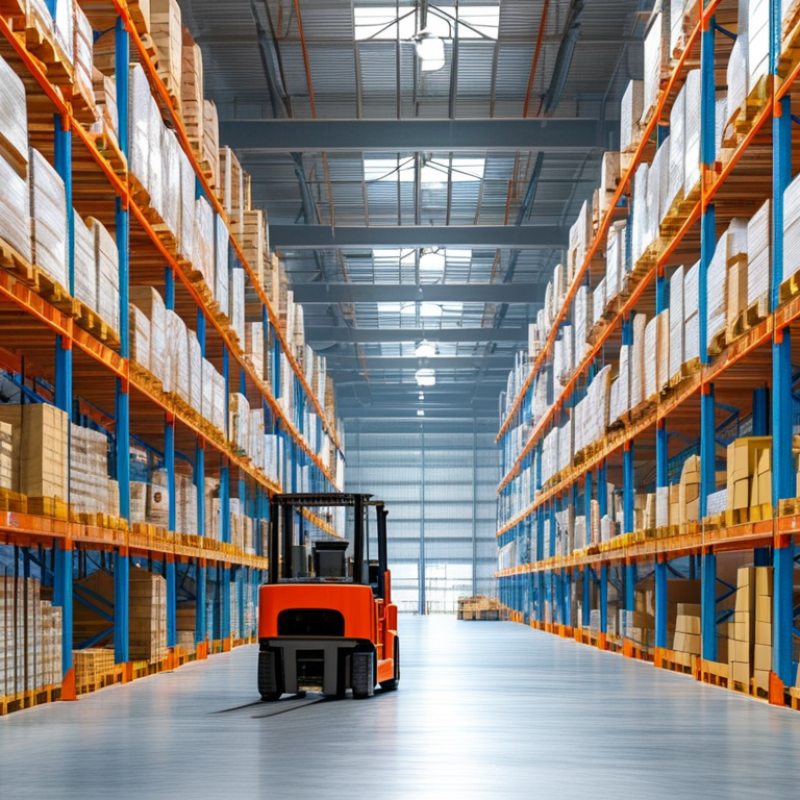
China Top Standard Height Clearance for Warehouse Pallet Racking?

Overview of Warehouse Pallet Racking in China

Warehouse pallet racking systems play a vital role in the logistics and storage sectors in China. By 2023, the country's rack systems are expected to enhance storage capacity significantly, supporting a booming e-commerce market. According to recent industry reports, the warehouse racking market is projected to grow at an annual rate of 5.6% through 2027. This growth highlights an increasing demand for efficient space utilization.

In China, common height clearance for pallet racking typically ranges between 4 to 12 meters. However, regulatory standards vary based on regional safety assessments. Clear guidelines set by the National Storage Regulatory Organization are often overlooked, leading to safety concerns and potential warehouse inefficiencies. Ensuring compliance with these guidelines is crucial for operations.

Despite advancements, challenges persist. Many facilities still use outdated systems that do not maximize vertical storage. This past reluctance to adopt newer designs impacts overall productivity. Efficient designs not only optimize space but also improve safety and accessibility within warehouses. A thorough evaluation of pallet rack systems can reveal opportunities for improvement, although often neglected by management teams.

Warehouse Pallet Racking Height Clearance in China

Standard Height Clearance Regulations for Pallet Racking

When setting up warehouse pallet racking, understanding height clearance regulations is crucial. In China, the standard height clearance can vary based on factors like local building codes and specific warehouse types. The typical clearance for pallet racks usually ranges from 1.5 to 2 meters above the top shelf to meet safety and operational needs. This height allows for adequate air circulation and reduces the risk of accidents during material handling.

According to a report by the China Warehousing and Distribution Association, only 30% of warehouses comply with these standard height clearance regulations. Many facilities overlook the importance of proper clearance, which leads to inefficiencies. Insufficient height can restrict forklift maneuverability, limiting access to products. Conversely, too much clearance can lead to unnecessary vertical space that isn’t utilized effectively, affecting storage efficiency.

The focus should also be on local regulations, which can vary. Some regions may have stricter requirements due to seismic risks or fire safety. Regular audits of existing racking systems are vital to ensure compliance. Investing in height measurement tools can improve safety. Seeking expert consultation might also help in addressing specific needs, such as optimizing the balance between space and safety. This ensures that operations run smoothly while adhering to safety guidelines.

Factors Influencing Height Clearance in Warehousing

When it comes to warehouse pallet racking, height clearance plays a vital role. Various factors influence this measurement. One prominent factor is the type of inventory stored. Heavy items require lower shelving. Lighter goods can be stored higher. This difference significantly impacts the overall height clearance.

Another consideration is the equipment used in the warehouse. Forklifts and pallet jacks have different height capabilities. Ensuring that these tools can operate smoothly is crucial. Insufficient clearance can lead to accidents or equipment damage. Facilities must also consider their building's structural limitations. Some older warehouses may have lower ceilings.

Environmental conditions might also affect height clearance. For example, if a warehouse is prone to moisture, materials may swell. This can influence the storage method chosen. Regular evaluation of height clearance is necessary. Each factor presents unique challenges. Finding an ideal balance can be difficult but essential for efficient operations.

Regional Variations in Pallet Racking Standards in China

When it comes to pallet racking standards in China, there is significant regional variation. Each area may have its own specific regulations that must be met. For instance, densely populated regions often prioritize height clearance. Warehouses in these places tend to maximize vertical space to ensure productivity and efficiency.

In contrast, regions with a focus on industrial safety might have stricter regulations. These often include lower height limits to enhance stability. The balancing act between maximizing storage and ensuring safety can be challenging. Many warehouse managers must carefully assess their local regulations while planning their layout.

Understanding these nuances is crucial for effective warehouse management. It’s important to consult local standards before implementing any racking systems. This approach helps avoid costly mistakes. By acknowledging these regional variations, companies can better align their operations with safety and efficiency objectives.

Safety Considerations for Height Clearance in Warehouse Design

When designing a warehouse, height clearance is a crucial aspect. It directly impacts safety and efficiency. Insufficient clearance can lead to accidents. Employees can be injured by falling items. Therefore, establishing the right height is essential. The standard height may vary, but it often falls between 12 to 16 feet. This range generally accommodates typical pallet sizes. However, warehouses with unique requirements might need adjustments.

Safety considerations should always prioritize worker well-being. Inspecting the racking system is vital to ensure stability. Regular maintenance can help identify potential hazards. Additionally, ensuring proper training for employees is crucial. They should understand clearance requirements and the risks involved. Without this knowledge, accidents can happen more frequently.

It’s important to note that local regulations may affect height clearance. Different regions may have specific guidelines. Ignoring these could lead to compliance issues. Warehouse managers need to stay updated on these regulations. Continuous evaluation of the warehouse layout is necessary. Adapting to changes and improving designs can enhance safety and functionality.

China Top Standard Height Clearance for Warehouse Pallet Racking

Warehouse Type Typical Height Clearance (m) Safety Clearance Required (m) Total Recommended Height (m) Comments
Standard Warehouse 6.0 0.5 6.5 Basic compliance with safety regulations.
Cold Storage 8.0 0.7 8.7 Additional clearance for cooling equipment.
Distribution Center 10.5 1.0 11.5 Large equipment may require additional height.
Automotive Parts Warehouse 9.0 0.6 9.6 Consideration for heavy lifting equipment.
Retail Distribution Center 7.5 0.4 7.9 Space optimization for high shelving.

FAQS

: What influences pallet racking standards in China?

: Regional variations heavily influence these standards. Each area may have unique regulations to follow.

How does height clearance impact warehouse safety?

Insufficient height clearance can lead to accidents and injuries from falling items. It is critical for safety.

What is the average height range for warehouse clearance?

The standard height often ranges from 12 to 16 feet. This typically accommodates common pallet sizes.

Why is it essential to consult local regulations?

Local regulations vary widely. Ignoring them can lead to costly compliance issues and potential hazards.

How can warehouse managers enhance safety?

Regularly inspecting racking systems and ensuring employees receive proper training are key safety measures.

What challenges do managers face with safety and efficiency?

Balancing maximum storage space while ensuring safety can be difficult. Careful planning is necessary.

What should be done if unique warehouse requirements exist?

Adjusting the height clearance may be needed. Customized designs can enhance safety and productivity.

How often should warehouse layouts be evaluated?

Continuous evaluation is necessary. Adapting to changes can greatly improve safety and functionality.

What is the significance of employee training?

Employees need to understand clearance requirements. Lack of knowledge can lead to increased accident risks.

What are some consequences of ignoring height regulations?

Ignoring regulations can result in compliance issues and increased accident risks. It’s a serious oversight.

Conclusion

The article titled "China Top Standard Height Clearance for Warehouse Pallet Racking?" provides a comprehensive overview of the regulations and considerations surrounding pallet racking in warehouses throughout China. It explores the standard height clearance regulations necessary for ensuring the safe and efficient use of pallet racking systems. The discussion emphasizes that what is the standard height clearance for warehouse pallet racking can vary based on multiple factors, including regional standards and specific warehousing operations.

Additionally, the article highlights the importance of safety considerations in warehouse design, noting that height clearance can significantly impact overall operational efficiency and safety protocols. By addressing the regional variations in pallet racking standards, the article sheds light on how businesses must adapt to local regulations while maintaining safety and functionality in their warehousing practices.

Amelia

Amelia

Amelia is a seasoned marketing professional with a wealth of expertise in our company’s core offerings. With an unwavering passion for driving growth and innovation, she plays a pivotal role in shaping our marketing strategies and enhancing brand visibility. A key aspect of her responsibilities......