How to choose the best column protector for warehouse uprights?

Time:2026-07-11 Author:Oliver
0%

Choosing the right column protector for warehouse uprights is crucial for maintaining safety and efficiency. Industry expert John Smith states, “A proper column protector can significantly reduce maintenance costs and enhance safety.” This highlights the importance of selecting a suitable protector to avoid potential hazards in busy warehouse environments.

When considering how to choose the right column protector for warehouse uprights, one must evaluate various options. Factors such as material, height, and design play a pivotal role in ensuring maximum protection. For instance, heavy-duty plastic guards can withstand impacts from forklifts, while softer materials may not provide the same level of defense.

While many options exist, not all column protectors are equally effective. It is vital to reflect on past incidents and assess specific needs. Some warehouses may require more robust solutions due to frequent collisions. Remember, a well-protected upright can save more than just the physical structure; it protects your workforce too.
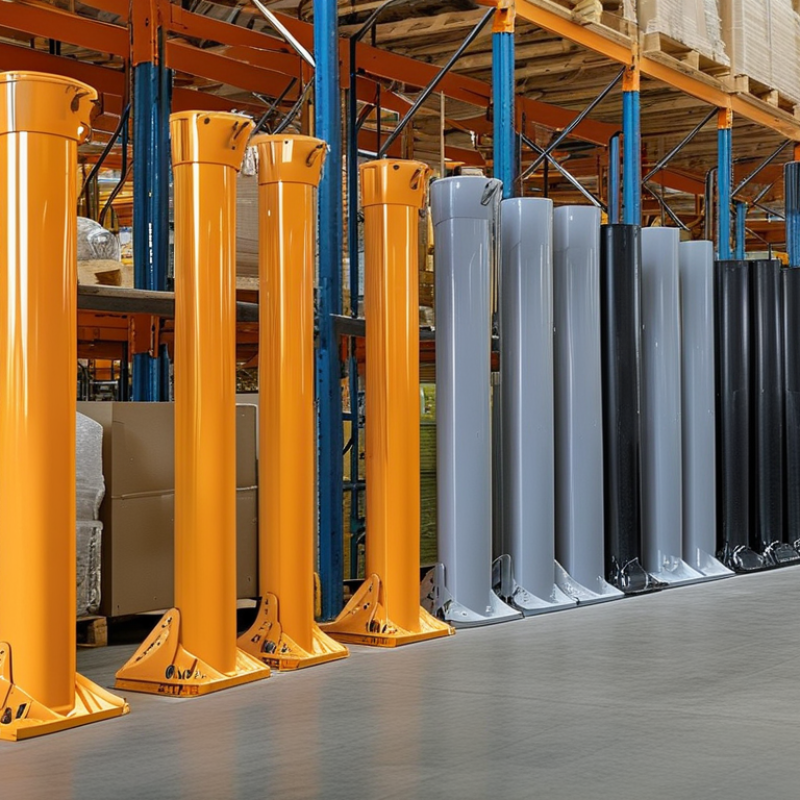
How to choose the best column protector for warehouse uprights?

Understanding the Importance of Column Protectors in Warehouses

Column protectors are essential for maintaining warehouse safety. They safeguard upright structures from damage often caused by forklifts and other equipment. By preventing structural harm, column protectors help reduce costly repairs. They also enhance operational efficiency, keeping workflows uninterrupted and safe.

When selecting column protectors, consider the materials. Some may wear down over time, requiring frequent replacements. Heavy-duty options might be necessary for high-traffic areas. Don't overlook the installation process. Proper installation can impact effectiveness. Poorly installed protectors may not provide adequate defense.

Tips for choosing column protectors:
- Assess the traffic volume in your warehouse.
- Measure the height and width of the columns.
- Evaluate environmental factors, such as exposure to moisture.

Choosing the right column protector can save time and money. Always prioritize safety over aesthetics. Investing in reliable options yields long-term benefits. Reflecting on past damages can inform better choices in the future.

Column Protectors Impact on Warehouse Safety

Types of Column Protectors Suitable for Warehouse Use

When selecting column protectors for warehouse uprights, understanding the various types available is crucial. Impact-resistant barriers are designed for high-traffic areas. These are often made from durable materials that absorb shocks, ensuring safety while minimizing damage to both the column and surrounding equipment. Ideally, they should be visible and easy to install.

Another option is steel guard rails. They provide robust protection and can withstand significant impacts. They are adjustable, allowing you to customize protection based on the layout of your warehouse. However, installation can be more complex and may require more maintenance over time. Reflecting on their sturdiness, one might consider whether the high upfront cost justifies the long-term savings.

Padding systems present a softer alternative for warehouses. These are typically made from foam or rubber and are easier to install but may not offer as much durability. Despite their ease of use, they may wear down quickly, necessitating replacements. The choice depends on assessing the specific needs of your warehouse and the level of traffic it experiences.

Factors to Consider When Selecting Column Protectors

Selecting the right column protector for warehouse uprights can significantly impact safety and efficiency. One key factor to consider is the material of the protector. Options include steel, plastic, and rubber. Steel offers durability but may be more expensive. Plastic is lightweight but can wear down faster. Rubber provides cushioning but may not withstand heavy impacts as well.

The size and shape of the protector are crucial too. Different column sizes might require specific shapes for optimal coverage. Measuring the dimensions accurately is essential for a proper fit. Additionally, color and visibility should not be neglected. Bright colors enhance visibility, aiding in prevention against collision. Consider reflectivity for dimly lit areas.

Tips: Choose protectors that match the traffic levels in your warehouse. Higher traffic means sturdier materials are necessary. Regular inspections can help identify wear and tear. Don’t forget to gather feedback from your team members on their experiences, as they may offer valuable insights that improve safety and functionality.

Installation and Maintenance Tips for Column Protectors

When selecting a column protector for warehouse uprights, installation and maintenance are crucial factors. Proper installation begins with assessing the area's traffic flow. It is essential to choose protectors that meet safety standards, as a study by the National Safety Council indicates that 25% of workplace injuries occur due to collisions with warehouse structures. Ensure protectors are the right height and are positioned at strategic points. This minimizes potential damage to both the columns and equipment.

Maintenance is often overlooked but equally important. Regular inspections can identify wear and tear before it leads to costly repairs. According to a report by the Occupational Safety and Health Administration, 30% of structural damage in warehouses is preventable through proper upkeep. Simple tasks such as cleaning the protectors and checking for cracks can extend their lifespan. Ignoring maintenance could lead to significant downtime, which is costly for operations.

While selecting and maintaining column protectors seems straightforward, it requires ongoing attention. Many warehouses face the challenge of balancing cost and quality. Sometimes, opting for cheaper alternatives can lead to more frequent replacements and repairs. Thus, it is vital to reflect on choices made during selection and maintenance processes. Proper care and thoughtful selection can enhance warehouse safety and efficiency significantly.

Cost Analysis: Investing in Quality Column Protectors

Investing in quality column protectors can significantly reduce long-term costs for warehouse operations. A sturdy protector can withstand impacts from forklifts and heavy machinery. This reduces damage to both products and the warehouse structure. Lower repair costs are an immediate benefit. Yet, the upfront investment might seem higher than lower-quality options.

When evaluating costs, consider potential losses from not using the best protectors. Frequent repairs and replacements can add up quickly. The wrong choice can lead to operational disruptions. These interruptions may incur additional costs and affect productivity. The focus should not solely be on price. Quality and durability are essential.

An effective column protector should also be easy to install and maintain. Some cheaper options may require more frequent replacements. This is a hidden cost often overlooked. Not all protectors will fit every environment perfectly. Assessing the specific needs of your warehouse is vital. Flaws in planning can lead to poor investments. Consider future growth and equipment changes as well.

FAQS

: Why are column protectors important in warehouses?

: Column protectors maintain safety by preventing damage from forklifts and equipment, reducing repair costs.

What materials should I consider for column protectors?

Some materials wear down quickly. Heavy-duty options are best for high-traffic areas.

How does installation impact the effectiveness of column protectors?

Poor installation can reduce effectiveness. Proper placement is crucial for maximum protection.

What factors should I evaluate when choosing column protectors?

Assess traffic volume, measure column dimensions, and consider environmental exposure, like moisture.

How can maintenance of column protectors affect their lifespan?

Regular inspections help detect damage early. Ignoring maintenance leads to costly repairs and downtime.

What are the consequences of overlooking maintenance?

Neglecting maintenance can cause significant damage, resulting in increased operational costs and downtime.

How often should I inspect column protectors?

Regular inspections are essential to identify wear and ensure they are functioning correctly.

What is a common mistake during the selection of column protectors?

Choosing cheaper options often leads to frequent replacements, increasing overall costs.

How can I enhance warehouse safety with column protectors?

Thoughtful selection and proper maintenance are key. Reflect on past damage to inform better choices.

What should I prioritize when choosing column protectors?

Always prioritize safety over aesthetics for long-term benefits in warehouse operations.

Conclusion

When considering how to choose the right column protector for warehouse uprights, it is essential to understand their critical role in safeguarding structural integrity and enhancing safety within the warehouse environment. Column protectors serve as the first line of defense against potential collisions from forklifts and other equipment, thereby preserving both the uprights and the valuable inventory housed within the facility.

Selecting the most suitable column protector involves evaluating various types available, such as plastic, steel, or foam options, based on the specific needs of the warehouse. Important factors include the level of impact resistance required, installation ease, and ongoing maintenance requirements. A comprehensive cost analysis can also aid in determining the most cost-effective choice, ensuring that quality column protectors are viewed as a valuable investment in long-term warehouse safety and efficiency.

Oliver

Oliver

Oliver is a seasoned marketing professional with a wealth of expertise in driving brand awareness and engagement. With a deep understanding of our company's product offerings, he consistently delivers high-quality content that enriches our professional blog. His insights not only shed light on......