How to Prevent Forklift Collisions with Warehouse Shelves?

Time:2026-07-21 Author:Isabella
0%

In a bustling warehouse, the risk of forklift collisions with shelving units is a critical concern. According to industry expert John Smith, "Understanding the layout and traffic flow can significantly reduce accidents." His insights highlight the need for effective strategies in preventing these hazardous situations.

When considering how to prevent forklift collisions with warehouse shelving units, a structured approach is essential. Clear visibility and well-defined paths minimize confusion. Regular training for operators ensures they are aware of their surroundings. Additionally, implementing safety technologies can provide real-time alerts to prevent dangerous encounters.

Despite extensive safety measures, human error will always be a factor. Operators may miss signs or underestimate speed. Reflecting on past incidents can offer valuable lessons. By striving for continuous improvement, warehouses can enhance safety, reducing the risk associated with forklift operations. Carefully examining these aspects can lead to a safer working environment.
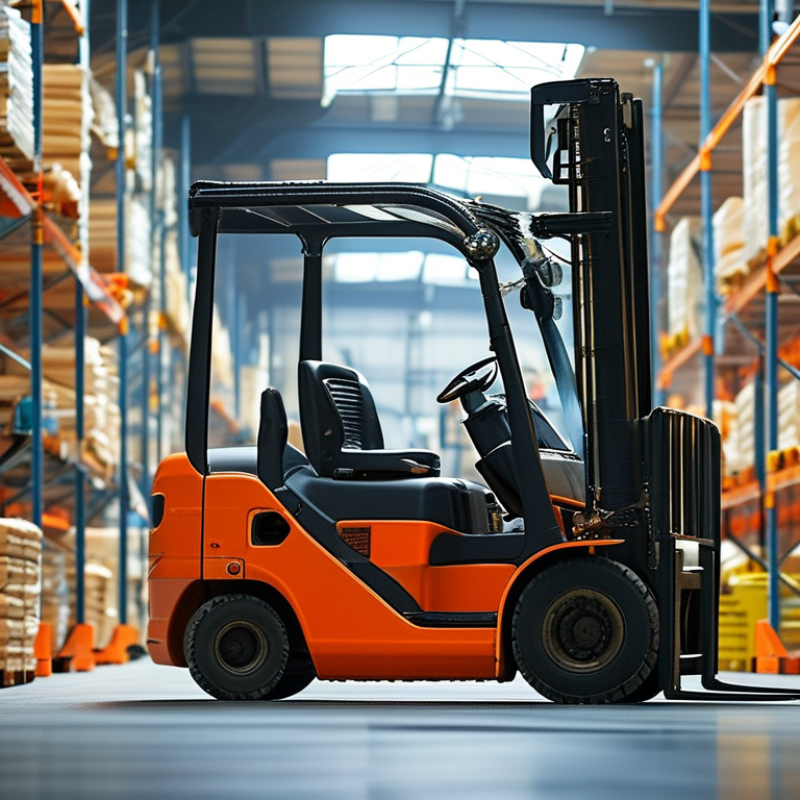
How to Prevent Forklift Collisions with Warehouse Shelves?

Understanding Forklift and Warehouse Shelf Dynamics

In warehouse environments, understanding the dynamics between forklifts and shelves is crucial. Forklifts operate in tight spaces. Their large turning radius can lead to collisions. A close study of your warehouse layout helps predict potential issues. Know where shelves are positioned, especially in high-traffic areas. This awareness can significantly reduce accidents.

Operators must be aware of their blind spots while navigating. Shelves can obstruct visibility. Regular training sessions are vital for developing safe driving habits. Implementing visual cues, such as floor markings or signs, can enhance awareness. Consider using mirrors to improve sightlines in congested areas.

Another critical aspect is load stability. If loads shift while moving, they can block visibility or cause imbalance. Ensuring proper stacking techniques is essential. It’s important to continually assess your procedures. Gather feedback from operators on their experiences. Addressing their concerns can lead to safer practices over time. Continuous improvement is not just a goal; it’s a necessity in maintaining safety.

Common Causes of Forklift-Related Collisions in Warehouses

Forklift-related collisions in warehouses often stem from several common causes. Poor visibility is a key factor. According to the National Safety Council, around 25% of workplace accidents result from visibility issues. In a bustling warehouse, blind spots created by shelving can lead to serious incidents. It is vital to ensure proper lighting and clear pathways to enhance driver awareness.

Another common issue is inadequate training. Research from the Occupational Safety and Health Administration shows that 70% of forklift accidents occur due to operator error. Many operators have not received comprehensive training. A structured training program can significantly reduce these incidents. Regular refresher courses can keep safety protocols fresh in operators' minds.

Distractions are also a major contributor. Warehouse environments can be chaotic, raising the risk of inattentiveness. A study indicates that up to 30% of accidents happen when operators are distracted. Implementing strict policies to limit distractions is essential. Operators must remain focused on their surroundings to avoid collisions with both shelves and other workers.

Implementing Effective Safety Training Programs for Operators

Effective safety training is crucial for forklift operators in warehouses. A study by the National Safety Council revealed that 22% of forklift accidents happen due to operator errors. This emphasizes the need for comprehensive training programs that focus on real-world scenarios and hands-on experience. Workers must understand their surroundings and the potential hazards near warehouse shelves.

Training should cover essential skills, such as load handling and spatial awareness. It’s important to simulate situations they might face daily. The Occupational Safety and Health Administration (OSHA) suggests frequent refresher courses to keep skills sharp. Regular evaluations help operators identify areas needing improvement. This approach recognizes that even experienced operators can overlook basic safety protocols.

Additionally, encouraging a culture of safety in the workplace can lessen accidents. Workers should feel comfortable reporting potential hazards without fear of repercussions. This openness can lead to proactive measures that further protect both operators and warehouse infrastructure. Investing in training pays off. A report from the Bureau of Labor Statistics found that well-trained organizations see a 30% decrease in workplace accidents.

Utilizing Technology to Enhance Collision Prevention in Warehouses

In modern warehouses, technology plays a pivotal role in preventing forklift collisions with shelves. According to a report from the National Institute for Occupational Safety and Health (NIOSH), nearly 20% of all workplace injuries in warehouses are caused by forklift incidents. Implementing technology-driven solutions can significantly reduce this risk.

Automated guided vehicles (AGVs) and advanced forklift collision avoidance systems use sensors to detect obstacles. These systems can reduce accidents by up to 50%. Data from the Occupational Safety and Health Administration (OSHA) indicates that companies utilizing such technology see fewer injuries and lower insurance costs. Training staff to understand and operate these technologies is crucial for safety.

Tip: Regularly inspect and maintain your forklift technology to ensure optimal performance.

Another effective measure is using real-time location systems (RTLS). These systems track forklift movements and alert operators when they get too close to shelves. A recent study found that implementing RTLS decreased collision rates by 30%. This technology fosters a safer environment and promotes efficiency.

Tip: Encourage your team to report near-misses. Analyzing these incidents can yield insights into potential hazards.

While technology significantly aids in collision prevention, reliance solely on it can be risky. Human oversight remains vital in identifying unforeseen risks in a dynamic warehouse environment. Enhancing awareness and communication among team members can complement these technological strategies.

Forklift Collision Incidents in Warehouses

This chart illustrates the trend of forklift collision incidents in warehouses over the years, showing a significant decline due to improved safety technologies and protocols.

Establishing Best Practices for Warehouse Layout and Design

Creating an effective warehouse layout is vital for preventing forklift collisions with shelves. Proper design reduces hazards and enhances workflow. According to the Occupational Safety and Health Administration (OSHA), approximately 100 fatalities occur each year due to forklift-related accidents. Thoughtful layout can minimize these risks.

Wide aisles and clear traffic paths are essential. Designating specific zones for pedestrian traffic can prevent accidents. Studies show that facilities with proper signage see a 30% reduction in collisions. Regular training for warehouse staff on layout awareness is crucial. Employees must understand their surroundings while operating machinery.

Incorporating technology helps improve safety. Safety systems, like alarms and cameras, can provide additional layers of protection. However, these systems are not foolproof. Organizations must continuously assess their operational practices. Regular feedback from employees can identify blind spots in warehouse design. Reflecting on layout effectiveness fosters a safer work environment.

How to Prevent Forklift Collisions with Warehouse Shelves? - Best Practices Data Table

Best Practice Description Importance Level (1-5) Implementation Date
Defined Aisle Width Ensure aisles are wide enough to accommodate forklifts and minimize collision risks. 5 2023-01-15
Signage and Markings Install clear signs and ground markings to guide forklift movements. 4 2023-02-01
Training Programs Regularly train forklift operators on best practices and safety procedures. 5 2023-03-10
Use of Technology Implement collision detection systems and warehouse management software. 5 2023-05-20
Regular Maintenance Conduct regular inspections and maintenance of forklifts and shelving units. 4 2023-06-15

FAQS

: What are common causes of forklift-related collisions in warehouses?

: Common causes include poor visibility, inadequate training, and distractions.

How does visibility affect forklift safety?

Poor visibility creates blind spots, increasing the risk of accidents, particularly among shelving units.

What percentage of accidents are caused by operator error?

Around 70% of forklift accidents result from operator error, often due to inadequate training.

How important is training for forklift operators?

Comprehensive training is essential for reducing accidents and enhancing operator skills in real-world situations.

What skills should forklift training cover?

Training should include load handling, spatial awareness, and real-life scenario simulations.

Should refresher courses be part of training programs?

Yes, regular refresher courses help maintain fresh safety knowledge and identify improvement areas.

Why are distractions a significant risk in warehouses?

Chaotic environments can divert operator attention, contributing to about 30% of all accidents.

How can a culture of safety impact warehouse operations?

A supportive culture encourages reporting hazards and can lead to proactive safety measures.

What happens if operators neglect basic safety protocols?

Even experienced operators can overlook risks, leading to potential accidents and unsafe conditions.

What benefits arise from investing in training programs?

Well-trained organizations frequently see a 30% decrease in workplace accidents, enhancing overall safety.

Conclusion

In order to effectively address the question of **how to prevent forklift collisions with warehouse shelving units**, it is essential to understand the dynamics between forklifts and shelving systems. Common causes of accidents in warehouses often stem from inadequate operator training, poor warehouse design, and a lack of technological intervention. By identifying these factors, warehouses can implement targeted safety training programs that emphasize careful navigation and awareness around shelving units.

Additionally, utilizing advanced technologies such as collision detection systems and integrating best practices for warehouse layout can significantly mitigate risks. Ensuring clear pathways, proper shelving heights, and adequate visibility can further enhance safety. Ultimately, a proactive approach that combines education, technology, and optimal design will greatly reduce the likelihood of forklift collisions within warehouse environments.

Isabella

Isabella

Isabella is a dedicated marketing professional with a sharp focus on driving brand growth and engagement through strategic content creation. With an extensive background in digital marketing, she combines her passion for storytelling with her keen understanding of industry trends to deliver......