In the realm of seismic engineering, understanding "What are the seismic engineering requirements for warehouse racks" is crucial. Dr. Emily Carter, a leading expert in seismic design, emphasizes, “The integrity of warehouse racks hinges on meeting specific seismic standards.” Her insights underscore the necessity of adapting rack systems to various seismic conditions.
Warehouse racks serve as vital storage solutions, yet their structure must withstand seismic forces. In regions prone to earthquakes, ignoring seismic requirements can have dire consequences. These regulations are designed to protect both assets and personnel. Proper anchorage, load distribution, and material selection play key roles in compliance.
Designing seismic-resistant racks involves more than mere adherence to regulations. It requires a deep understanding of the specific environment and the potential seismic risks. Each warehouse layout presents unique challenges. Therefore, collaboration with seismic engineers is vital. Failure to recognize the specific seismic engineering requirements can lead to serious safety risks and significant financial losses.
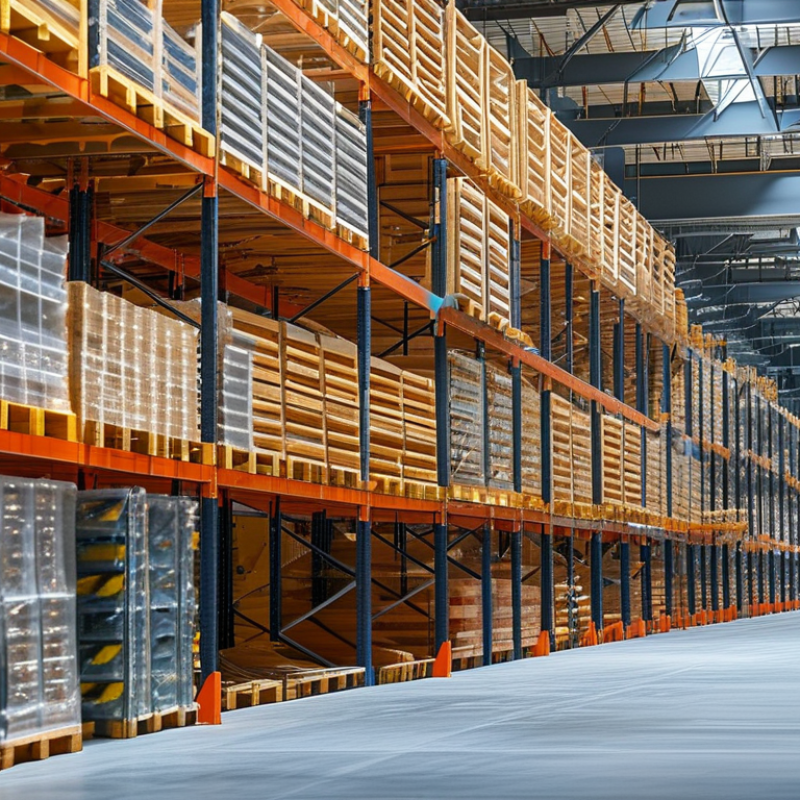
Understanding Seismic Engineering Principles for Warehouse Racking Systems
Understanding seismic engineering principles for warehouse racking systems is vital for safety and efficiency. Racks must be designed to withstand seismic forces. This requires knowledge of local seismic codes and standards. Each rack's design should account for weight loads and potential sway during an earthquake. A good understanding of structural mechanics is essential.
Tip: Consult with a seismic engineer to evaluate your existing racking systems. They can identify weaknesses and recommend improvements. Regular inspections are crucial. Pay attention to signs of wear or damage after seismic events. It's not uncommon to overlook minor issues until it’s too late.
In a seismic event, racks can fail if not designed properly. This can lead to catastrophes in a warehouse environment. Ensure that your staff is trained in safety protocols. Consider simulations to identify potential failures in racking systems. Material selection can also greatly influence rack stability.
Tip: Use materials that are flexible yet strong. This can help absorb shock during seismic activities. Regular training sessions can educate employees on how to secure items effectively. Remember, a safe warehouse is a productive warehouse. Enhancing seismic safety is an ongoing process.
Assessing Local Seismic Risks and Building Codes for Warehouse Locations
Understanding the seismic risks specific to a warehouse location is crucial for safety. The United States experiences significant earthquakes, especially in California and Alaska. According to the U.S. Geological Survey, about 60% of the U.S. population lives in earthquake-prone areas. Ignoring local seismic risks can lead to devastating consequences for warehouses, especially those that store heavy equipment or hazardous materials.
Building codes vary widely across regions. For instance, California's rigorous codes ensure structures can withstand significant seismic activity. However, many warehouses in less regulated areas may lack adequate reinforcement. A report from the National Institute of Standards and Technology highlights that improperly secured racks can topple, causing injuries and inventory loss.
Assessment of local seismic risks should not be an afterthought. Regular evaluations can reveal vulnerabilities in existing structures. Many warehouses fail to comply with updated codes because they lack awareness of changes. Consideration of seismic upgrades may require investment, but it is essential for long-term safety. Addressing these issues proactively can mitigate risk and protect both personnel and assets.
Seismic Risk Assessment for Warehouse Locations
Designing Warehouse Racks to Withstand Seismic Forces and Loads
Seismic forces pose significant threats to warehouse structures, especially regarding storage racks. Designing these racks to withstand seismic loads requires a comprehensive understanding of engineering principles and seismic impact. Studies show that earthquakes can generate forces equivalent to 1.5 to 2 times the weight of stored items. Thus, racks must be designed with this force in mind to ensure safety.
Key considerations include the selection of materials and the layout of racks. Steel is often preferred due to its strength and ductility. Prototyping and simulations help predict how racks will behave during tremors. However, there are challenges. Many warehouse operators may overlook the need for regular seismic assessments, leading to inadequate preparations. It's essential to conduct these evaluations periodically, as seismic codes evolve based on new research, like the findings from the International Building Code.
Additionally, bracing systems play a crucial role in rack stability. Cross-bracing or shear panels can enhance resistance to lateral forces. Yet, improper installation remains a risk factor. Employees must be trained to recognize the significance of proper setup. Inadequate knowledge can compromise an otherwise robust design. The focus on continuous education and adherence to evolving codes is critical for safety and reliability in the seismic resilience of warehouse racks.
Selecting Appropriate Materials and Construction Techniques for Racks
When selecting materials for warehouse racks, it’s vital to consider seismic performance. Steel is a common choice due to its high strength. However, the quality of the steel matters greatly. Using low-grade materials can lead to catastrophic failures during seismic events. It’s essential to source steel from reliable suppliers who adhere to industry standards.
Construction techniques also play a crucial role. Bolted connections are often preferred over welded connections in seismic regions. Bolts provide flexibility, allowing racks to absorb seismic forces. It's important to ensure that joins are secured correctly. Inadequate tightening can compromise the stability of the entire structure. Regular inspections after installation can help identify potential issues.
Finally, integrating seismic design principles is essential. This might involve adding cross-bracing or considering base isolation techniques. Such approaches enhance resilience during an earthquake. Ignoring these factors can lead to significant losses, both financially and in terms of safety. Rethink your current designs and material choices – they may not be meeting current seismic standards effectively.
Implementing Regular Safety Inspections and Maintenance for Racking Systems
Regular safety inspections and maintenance are critical for warehouse racking systems. These structures often face heavy loads and seismic forces. Frequent checks can help identify potential weaknesses and risks. For example, inspectors should look for signs of wear, such as bent frames or loose connections. It's not just about meeting regulations; it's about ensuring worker safety and protecting inventory.
Implementing a maintenance schedule can be challenging. Many facilities struggle to find time for these inspections. However, a proactive approach can save time and costs in the long run. Training staff on proper inspection techniques is essential. Simple tasks like checking for structural integrity can prevent major failures. Racks must be well-maintained, especially in earthquake-prone areas. Every organization must prioritize safety and reliability, as lapses can lead to significant consequences.
Each inspection should follow a detailed checklist. This ensures no aspect is overlooked. Documenting findings helps track trends over time. Companies sometimes ignore minor issues, thinking they pose no immediate danger. This mindset can be risky. Regular audits foster a culture of safety and accountability. Raking in compliance with seismic engineering requirements is not just advisable; it is crucial for any warehouse operation.
FAQS
: Seismic engineering helps design racks that can withstand seismic forces, ensuring safety and efficiency.
Regular inspections are crucial, especially after seismic events. Minor wear can lead to major failures.
Improperly designed racks can fail during earthquakes, causing injuries and inventory loss in warehouses.
Use flexible yet strong materials. They absorb shock and improve rack stability during seismic activities.
Regular training sessions should educate employees on securing items and reacting during seismic events.
They must assess local seismic risks regularly and update their knowledge on building codes to ensure compliance.
While not always mandatory, evaluations are essential for safety and can help identify vulnerabilities in structures.
Many warehouses overlook minor code changes and fail to implement necessary seismic upgrades in time.
Staff should be aware of safety protocols, as they play a key role in preventing accidents during seismic activities.
No, enhancing seismic safety is an ongoing process that requires regular assessments and updates.
Conclusion
Seismic engineering is crucial for ensuring the safety and stability of warehouse racking systems, especially in areas prone to earthquakes. To effectively manage the seismic engineering requirements for warehouse racks, it is essential to understand the principles that govern these systems. This includes assessing local seismic risks and complying with relevant building codes, which vary by region.
Designing warehouse racks to resist seismic forces involves meticulous planning and engineering, ensuring they are built with materials and construction techniques that can endure dynamic loads. Additionally, regular safety inspections and maintenance are vital to ensure that racking systems remain compliant with seismic standards over time. Overall, meeting the seismic engineering requirements for warehouse racks not only safeguards the facility and its inventory but also enhances overall operational resilience.

 Lush Rack