In today's rapidly evolving industrial landscape, efficient storage solutions are paramount. Manufacturers and suppliers often face challenges in storing long timber and pipes. These materials are critical in construction and industrial sectors, contributing to economic growth. Mishandling can lead to increased costs and safety hazards. According to a report by the Material Handling Industry of America, improper storage practices increase handling time by up to 30%.
Understanding how to use cantilever racks for storing long timber and pipes is essential. Cantilever racks offer clear advantages in maximizing space and ensuring safety. They allow items of varying lengths and sizes to be stored securely. Additionally, using cantilever racks can double storage capacity in some facilities, optimizing floor space.
Despite the benefits, some companies fail to implement best practices. Misalignment of racks can cause products to topple, posing risks. Regular inspections and maintenance are vital, yet often overlooked. Investing in proper training for staff also becomes crucial. Engaging with industry experts can significantly boost operations and ensure safe handling of materials. Hence, embracing efficient storage strategies is not just a choice; it is a necessary step toward improved productivity.
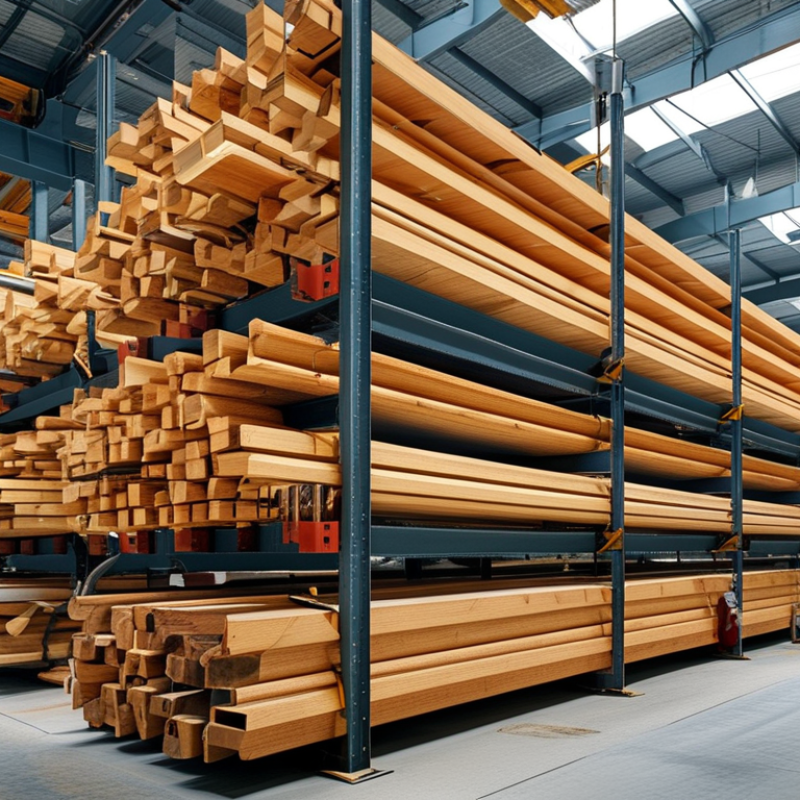
Choosing the right cantilever rack for timber and pipe storage is crucial for maximizing space and ensuring safety. When selecting a cantilever rack, consider the weight capacity. Different racks are designed to hold various weights. A rack for heavy timbers will differ from one suited for lighter pipes. Be aware of this distinction; it can influence which type you ultimately select.
Another factor is the height of the rack. Tall racks can save floor space but may require a forklift for loading and unloading. For smaller operations, shorter racks might suffice, affording easier access. Matching the rack’s height with your storage needs minimizes hassle.
Tips for optimal use include ensuring proper spacing between arms. This prevents interference and allows materials to rest securely. Regularly inspect the rack for signs of wear. Check joints and connectors for stability. Safety is non-negotiable. Each component should be in good condition.
Consider environmental factors too. If storing outdoors, select racks made from weather-resistant materials. This helps prolong their lifespan. Finally, always train staff on proper loading techniques. Awareness of capacity limits ensures safety. Design your storage area with careful thought, as the right setup pays dividends over time.
: Load capacity determines how much weight each rack can support. Overloading can cause structural failure.
Place heavier items on lower shelves. This keeps the center of gravity low and reduces tipping risks.
Regular inspections are essential. Look for rust, loose bolts, and structural damage. Address any issues immediately.
Always install racks on a flat, solid surface. Securely bolt them down to prevent tipping.
Train workers in safe loading techniques. Use checklists to reinforce safety protocols and awareness.
Clean your racks at least once a month. Use mild soap and water, then dry thoroughly to prevent corrosion.
Look for bent arms, rust, or any loose components. These can compromise the strength of the racks.
Yes, taller racks optimize space but may pose tipping risks. Stability and accessibility must be balanced carefully.
Yes, neglect can lead to larger problems. Regular checks and maintenance are crucial for longevity.
Provide regular training sessions. Ensure everyone understands weight limits and safe loading practices for better safety compliance.
The article "How to Use Cantilever Racks for Long Timber and Pipes Storage" serves as a comprehensive guide for effectively utilizing cantilever racks to store elongated materials. It begins by emphasizing the importance of choosing the right cantilever rack tailored for timber and pipe storage needs. Understanding the load capacity and the appropriate configuration is crucial for ensuring optimal use of these storage systems.
Additionally, the article highlights proper loading techniques to maintain the integrity of the materials and enhance safety during storage. It also focuses on ensuring stability within the cantilever rack systems to prevent accidents. Lastly, maintenance tips are provided to ensure the longevity and efficiency of cantilever racks, making it easier for users to understand how to use cantilever racks for storing long timber and pipes effectively.

 Lush Rack