Explore our state-of-the-art gravity-feed configurations and warehouse storage components manufactured to exact international standards.
In the era of dynamic global trade, supply chain velocity is no longer just a metric; it is a vital competitive differentiator. Gravity-feed racking systems (often referred to as pallet flow or carton flow systems) represent the zenith of space optimization and automatic stock rotation. Unlike conventional static shelves, gravity systems harness the natural force of Earth's gravity to move materials down inclined roller tracks. This structural method facilitates a perfect First-In, First-Out (FIFO) stock rotation, which is crucial for handling time-sensitive inventory, fresh produce, pharmaceuticals, and fast-moving consumer goods (FMCG).
Today, warehouse space globally is at an all-time premium. Modern industries are abandoning wide-aisle storage configurations in favor of deep-lane structures. Gravity-feed racking eliminates multiple service aisles, compressing the required storage footprint by up to 60% while simultaneously lowering energy consumption in temperature-controlled warehouses. Across North America, Europe, and the Asia-Pacific region, the demand for high-density gravity flow configurations is soaring due to the continuous expansion of cold chain logistics and e-commerce distribution centers.
The operational efficiency of a gravity pallet flow lane rests upon three primary mechanical systems: the inclined roller tracks, the speed controller brake rollers, and the pallet separators. Tracks are generally pitched at a calculated 3% to 4% gradient. Standard heavy-duty pallets slide down these tracks under gravity, regulated by dynamic centrifugal speed controllers positioned at regular intervals. Without these critical brakes, runaway heavy pallet loads (weighing up to 1,500 kg each) could cause structural damage or endanger forklift operators at the picking face.
At the discharge end, a mechanical separator isolates the first pallet from the back pressure of succeeding pallets in the lane. This allows the forklift operator to extract the target pallet smoothly and safely. The design of these components demands high-precision manufacturing, material wear resilience, and strict quality control.
Direct centrifugal brakes control descent speeds regardless of pallet weight variations, preventing impact damage.
Relieves heavy back pressure, enabling safe forklift removal at the picking face without jamming the flow lane.
Built using high-tensile cold-rolled steel with upright deflection ratios calculated to meet and exceed FEM and RMI parameters.
A premier manufacturing hub for industrial storage systems and customized warehouse solutions.
Nanjing Lush Rack Co., Ltd. is a professional manufacturer specializing in industrial storage racking systems and warehouse storage solutions. The company is dedicated to the research, design, production, and installation of a full range of warehouse racks and shelving systems, providing efficient and reliable storage infrastructure for modern logistics and supply chain operations.
With strong engineering capabilities and advanced manufacturing equipment, Nanjing Lush Rack Co., Ltd. is able to deliver complete warehouse racking solutions from concept design and structural calculation to production, quality inspection, and installation guidance. Our engineering team works closely with clients to analyze warehouse space utilization, material flow, and load requirements, ensuring that each solution is safe, stable, and cost-effective.
The company maintains a strict quality control system throughout the production process, from raw material selection to final product inspection. All racking systems are designed and manufactured to meet international safety and durability standards, ensuring long service life and reliable performance even under heavy industrial use.
Nanjing Lush Rack Co., Ltd. has a skilled technical team and an experienced sales department that provides responsive communication and professional support. With stable production capacity and efficient supply chain management, we are capable of handling both standard orders and large-scale customized projects with consistent quality and on-time delivery.
Our products are widely used in industries such as logistics and distribution, e-commerce fulfillment centers, manufacturing, automotive parts storage, cold chain logistics, and retail warehousing. We have established a strong customer base across domestic markets in China, and our products are also exported to Southeast Asia, Europe, North America, and other international regions.
As a trusted partner in warehouse storage solutions, Nanjing Lush Rack Co., Ltd. is committed to delivering high-quality racking systems, innovative storage concepts, and long-term value for our customers. We continue to focus on improving warehouse efficiency, reducing operational costs, and supporting the development of modern intelligent logistics systems.
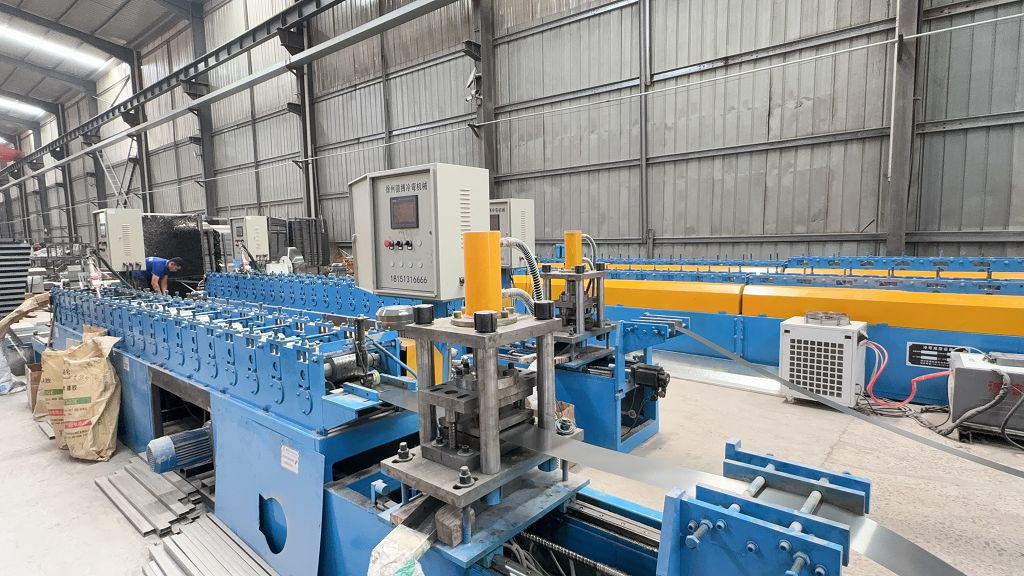
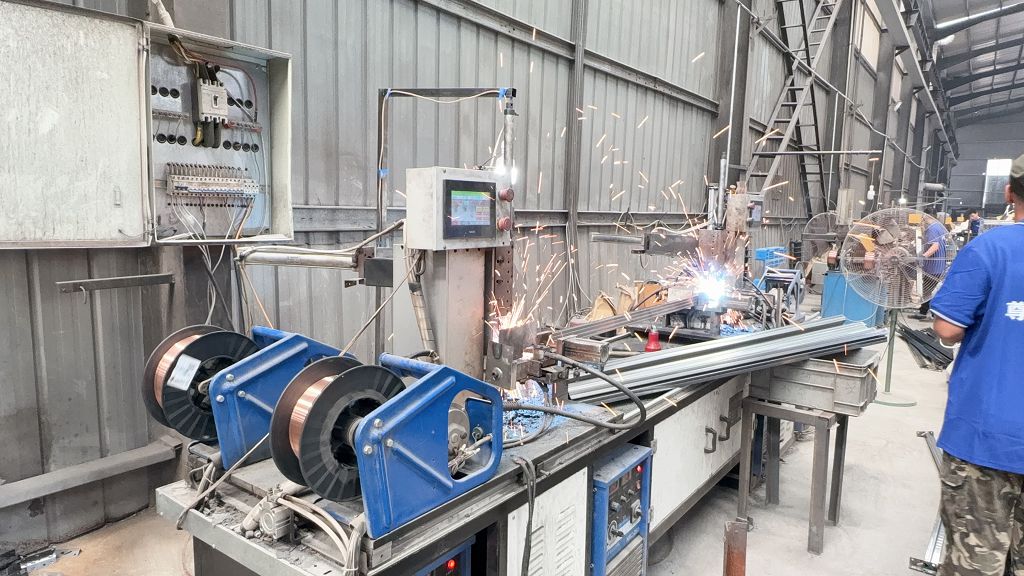
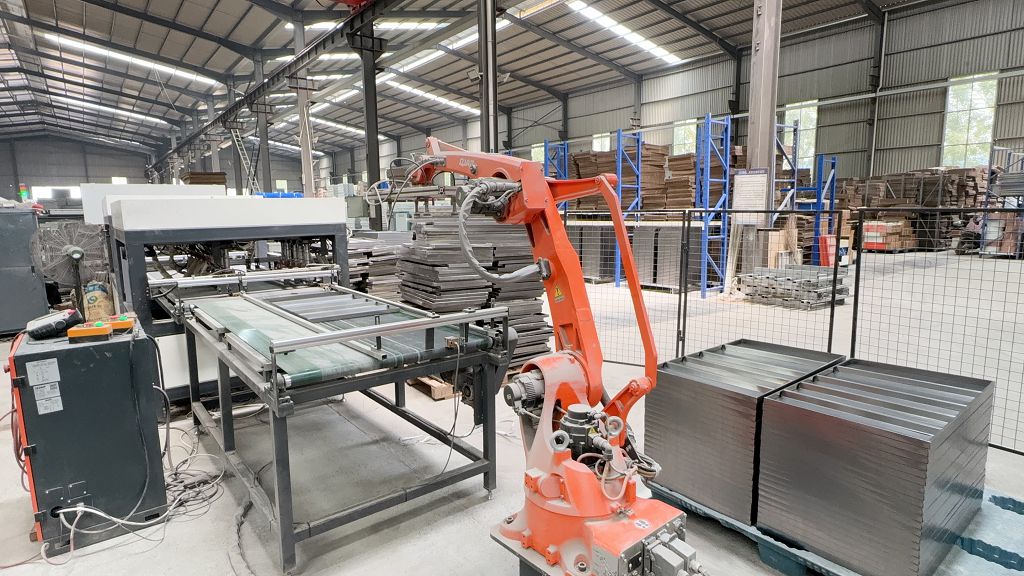
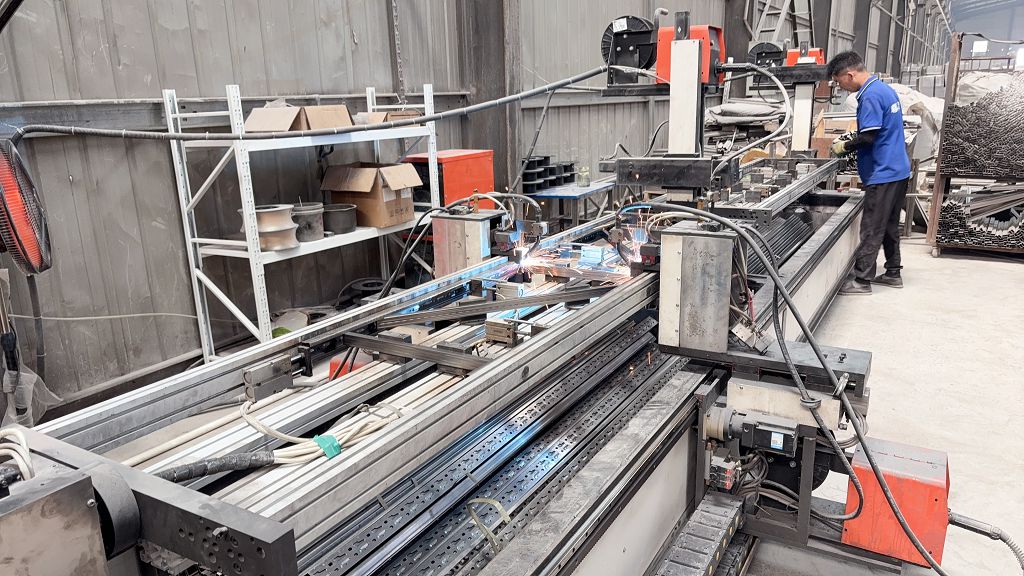
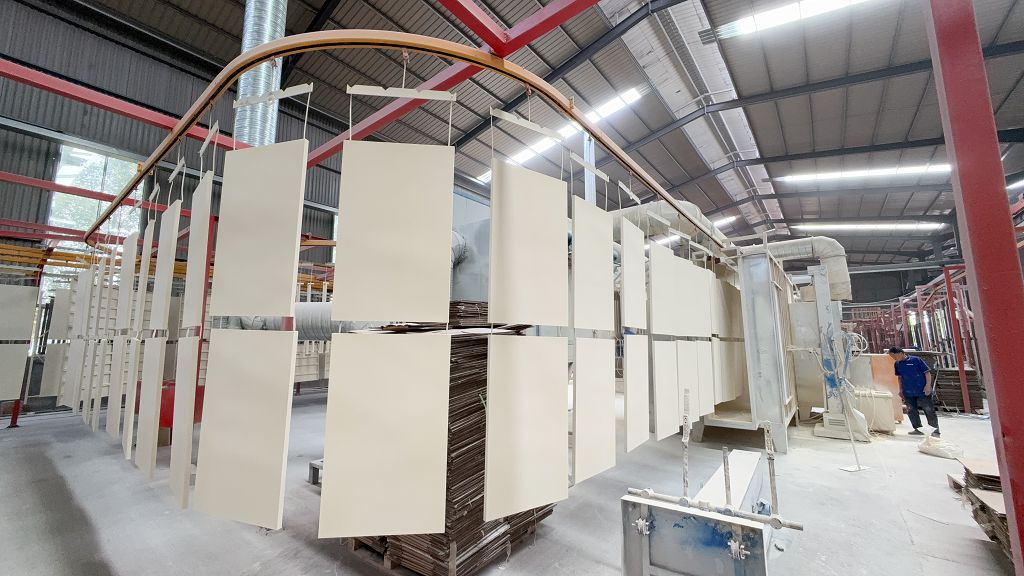
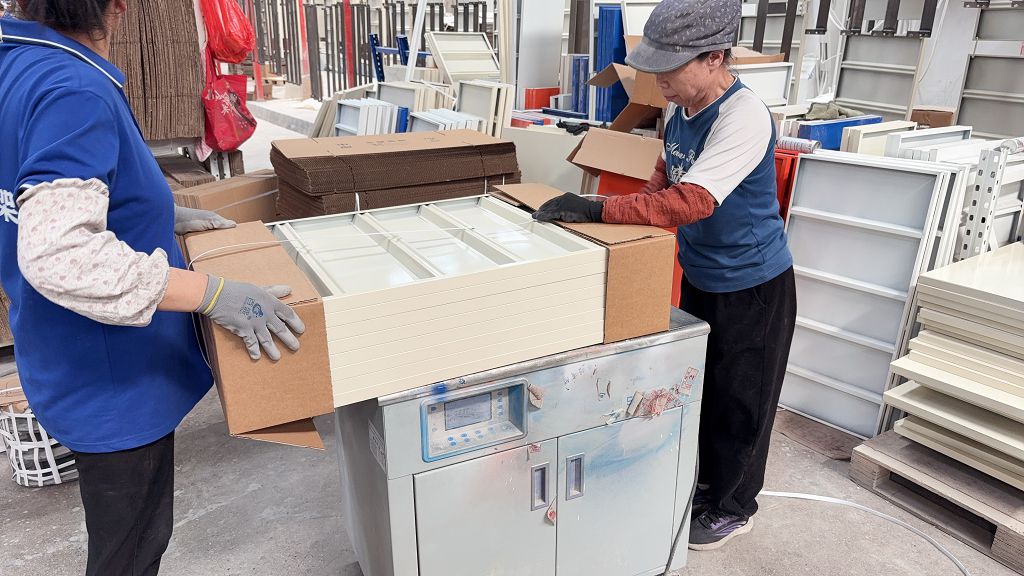
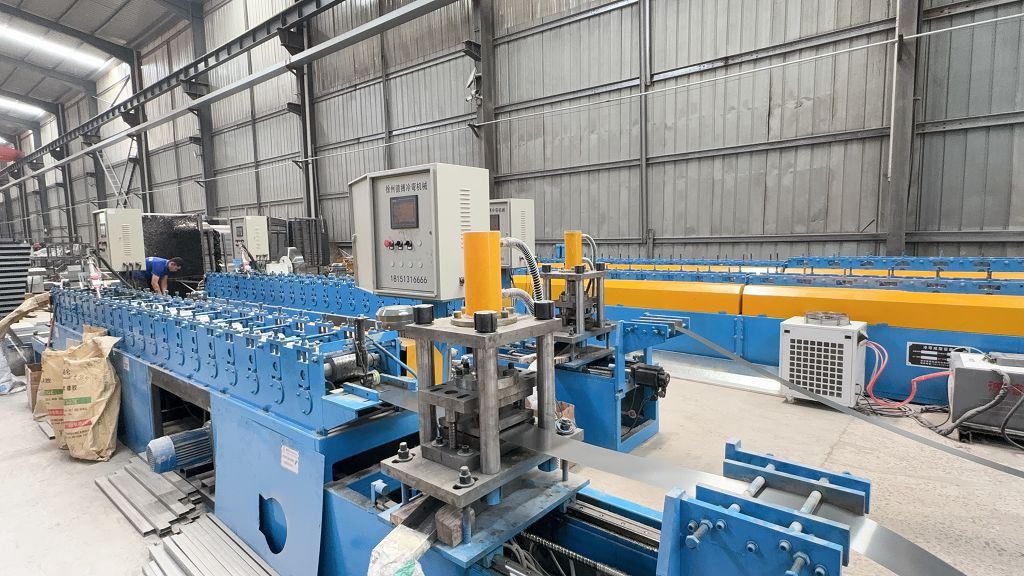
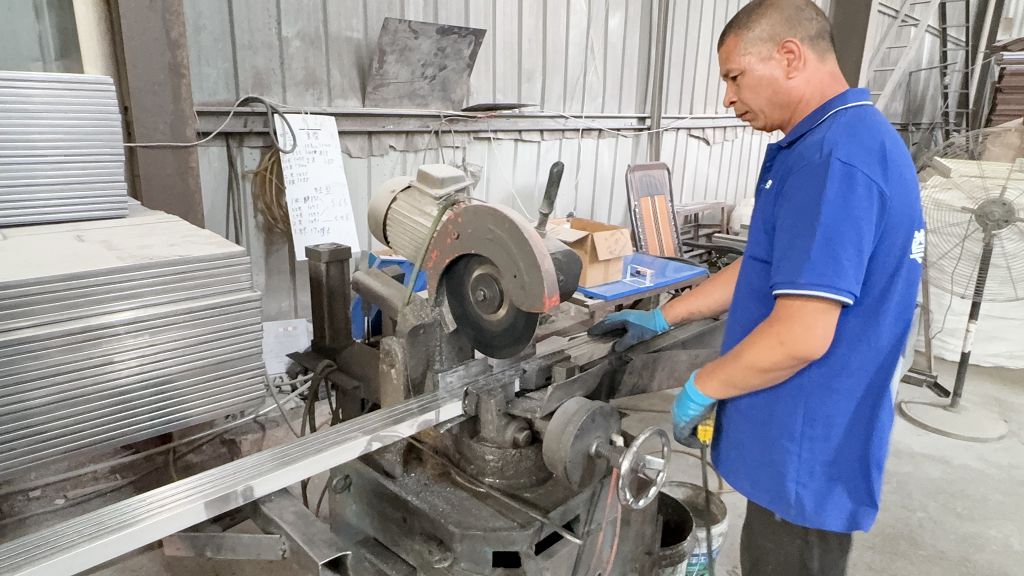
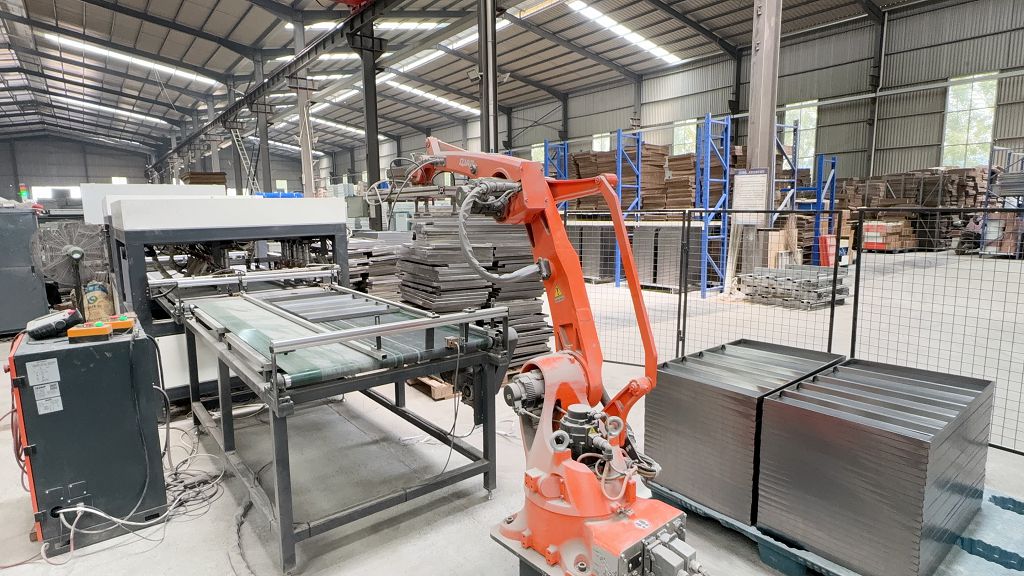
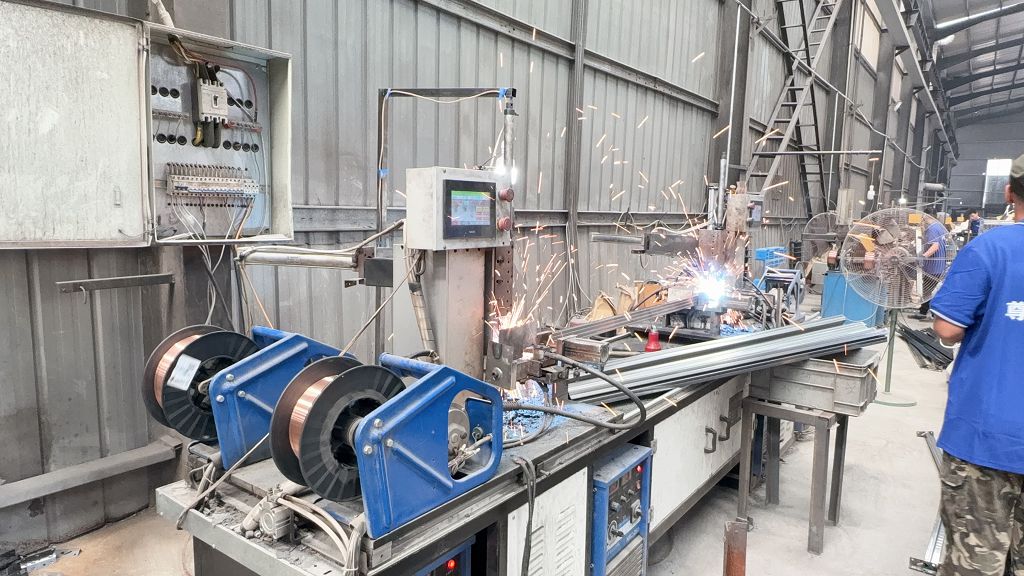
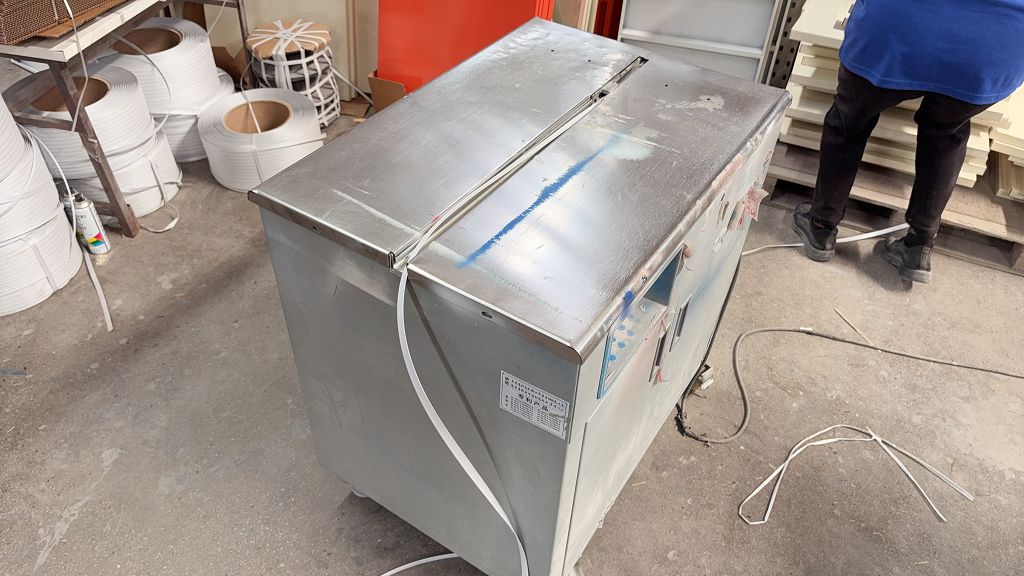
The centralization of steel manufacturing, precision tooling, and powder-coating technologies in China has created an efficient supply ecosystem for industrial logistics. Chinese gravity-feed racking manufacturers, particularly those situated in industrial hubs like Nanjing, leverage localized supply chains for raw steel, specialized bearings, and custom rollers to deliver globally competitive storage systems.
Key efficiency drivers within China's specialized rack factories include:
This localized manufacturing base allows for highly customized production runs. Whether a customer requires extra-long span gravity lanes, heavy-duty offshore cable spool frameworks, or adjustable roller widths, Chinese factories can quickly adjust tooling parameters to deliver custom products faster than regional fabricators in Europe or North America.
Gravity-feed and specialized racking systems serve distinct operational roles across multiple vertical markets. Custom configurations ensure that structural layouts match the material flows of specific business operations:
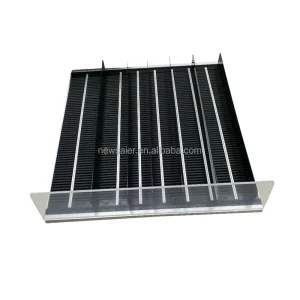
In high-velocity distribution centers, carton-flow gravity lanes feed order-picking stations. These systems keep SKU replenishment lines isolated from active order-picking lanes. This split prevents warehouse aisle congestion, enhances picker safety, and supports efficient, continuous pick operations.
Cold storage space is exceptionally costly to build and chill. Pallet flow gravity systems create dense storage blocks, reducing the total volume of air that needs cooling. The natural FIFO rotation ensures that perishable food, frozen items, and dairy products do not spoil at the back of the rack.
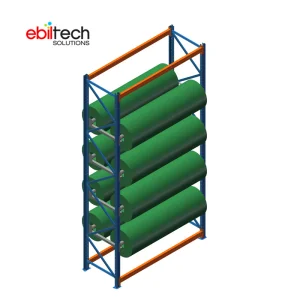
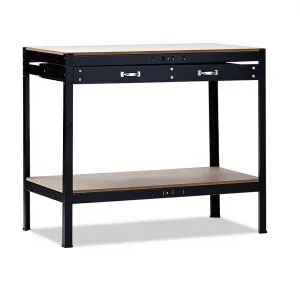
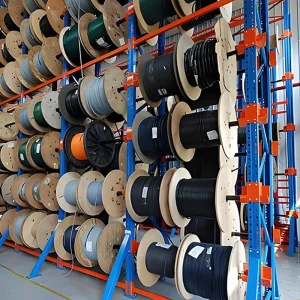
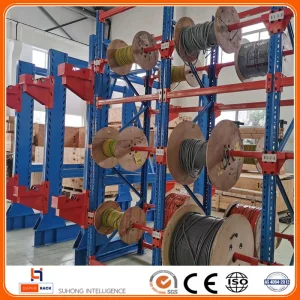
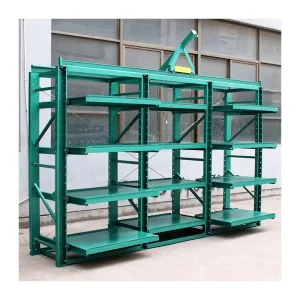
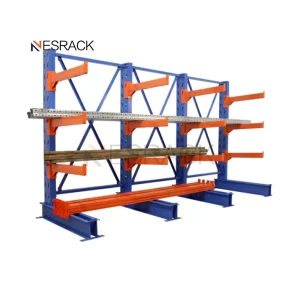
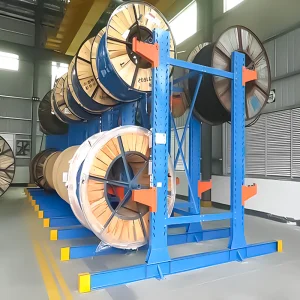
Heavy cable reel racks, cantilever frameworks, and open-drawer mold racks are built to handle highly concentrated, heavy loads. For example, offshore oil platform cable spools require heavy-duty paint protection and robust structural welding to withstand dynamic sea movements and salty environments.
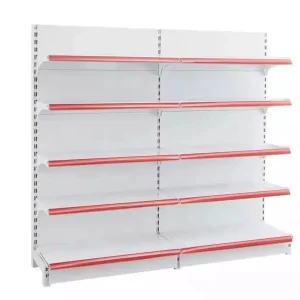
Double-sided gravity dispenser racks and cooler shelves use self-feeding roller decks to push drinks, cartons, and milk to the front of the shelf. This ensures shelves always look fully stocked, improves product presentation, and reduces the labor time staff spend manually pulling stock forward.
For international procurement managers, sourcing warehouse racking systems from China requires balancing budget targets with long-term safety and compliance. Sourcing teams should look for several core criteria to ensure the structural components meet their requirements:
Answers to technical and operational questions about gravity-feed and industrial racking systems.
The standard slope for pallet gravity-feed systems is typically between 3% and 4% (around 1.75 to 2.3 degrees). If the slope is too flat, pallets might stop rolling mid-lane; if the slope is too steep, descending pallets can gain too much velocity, potentially causing impacts at the picking face.
Our engineering team calculates the optimal pitch based on your pallet weights, pallet runner materials, and average ambient temperature.
We install dynamic centrifugal speed controllers (brake rollers) along the roller track. These brake rollers engage and slow down pallets when they exceed a preset speed. This mechanism maintains a controlled descent velocity for pallet weights ranging from 300kg to 1,500kg.
For gravity flow lanes to function reliably, pallets must have flat, undamaged bottom runners. Broken boards, protruding nails, or soft plastic bottom surfaces can catch on rollers and cause lane jams.
If you use varied or non-standard pallets, we recommend opting for full-width rollers rather than split-wheel tracks to help distribute the load more evenly.
We primarily use certified Q235B and Q355B high-tensile cold-rolled steel. Our structural components undergo rigorous load and deflection tests to ensure stability, safety, and long service life under heavy load demands.
In sub-zero environments, lubricants inside speed controllers can thicken, and steel can become more brittle. We address these conditions by using specialized low-temperature greases in our roller bearings and using steel specifications rated to maintain structural performance in cold environments.
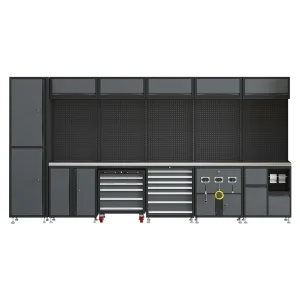
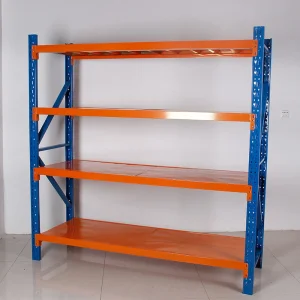
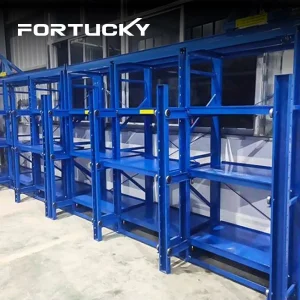
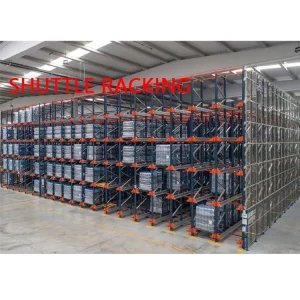
Heavy-duty cable reel management, tool cabinets, and shuttle integration systems designed for durability.
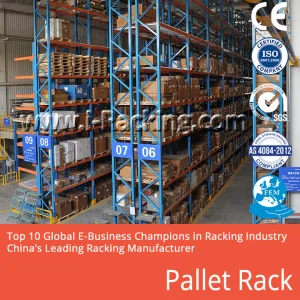
 Lush Rack