Industrial engineered components optimized for dynamic staging, high-density storage, and heavy-payload operations.
Standard Certified Steel
Load Capacity Per Level
Custom Engineered Layouts
Global Quality Certified
In the era of hyper-fast global distribution, shipping and receiving operations represent the critical gateway of the industrial supply chain. The rapid rise of omnichannel retail, cold-chain distribution, and precision heavy manufacturing has transformed these areas from simple loading bays into complex, high-velocity nodes. A key driver in maximizing throughput is the physical infrastructure that houses, routes, and stages incoming and outgoing materials.
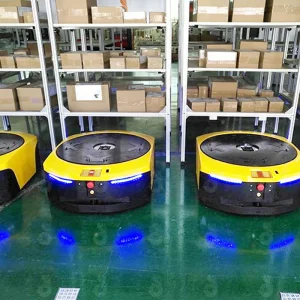
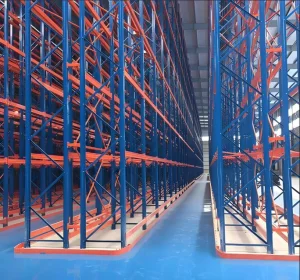
According to current market intelligence, the demand for high-capacity warehouse racking and intelligent shipping solutions is growing at a CAGR of over 7.2% globally. Modern supply chain operations prioritize horizontal floor space maximization, which has fueled a global architectural shift toward VNA (Very Narrow Aisle) configurations, automated cantilever systems for long loads, and highly integrated racking environments that accommodate Automated Guided Vehicles (AGVs) and Autonomous Mobile Robots (AMRs).
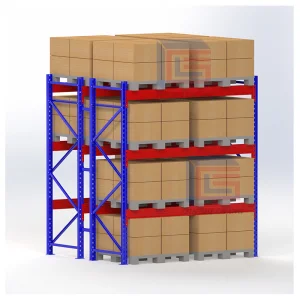
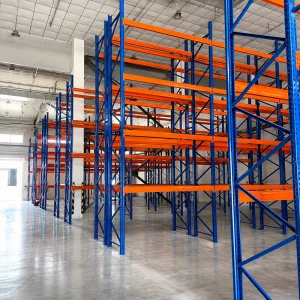
Transforming raw warehouse cubic volume rather than square footage. Integrating solutions like structural teardrop racks and high-density pallet flow systems.
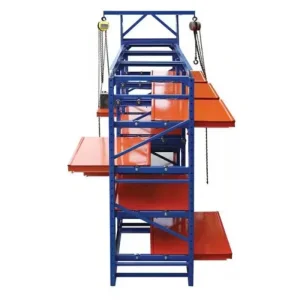
Implementing dynamic staging racking and heavy-duty roll-out drawer systems at receiving zones to minimize forklifts' cycle times and material handling blockages.
Adhering to strict international codes (EN 15512, RMI standards) using high-grade structural steel such as certified Q235B for high seismic risk zones.
Modern procurement and facilities directors look far beyond basic steel shelving. To maintain operational margins, the selection of equipment manufacturers relies on deep compatibility with intelligent warehouse workflows. Several key technological roadmaps define today's buying behavior:
| Storage Solution Type | Target Material/Inventory profile | Key Optimization Parameter | Automation Compatibility |
|---|---|---|---|
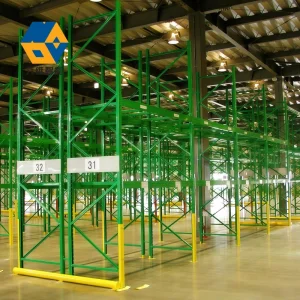
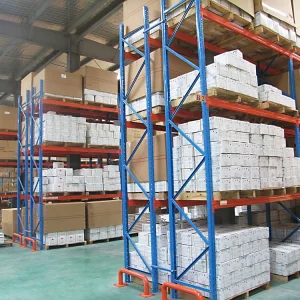
| VNA Selective Pallet Racking | Standardized Pallets (EUR/US) | Floor Space Conservation (up to 50%) | High (VNA AGV/Three-Way Turret Trucks) |
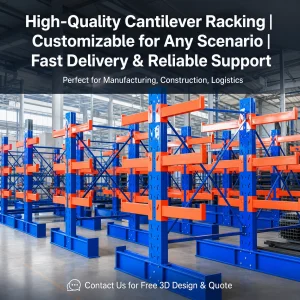
| Heavy Duty Cantilever | Pipes, Lumber, Metal Sheets, Reels | Unobstructed Linear Storage Space | Medium (Specialized Side-Loading AGVs) |
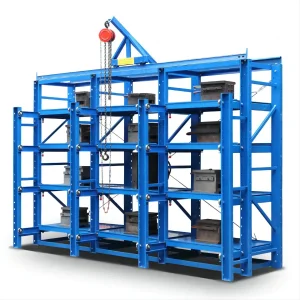
| Mold & Tooling Drawer Racks | Heavy Machinery Molds, Dies | Rapid Cranage & Ergonomic Handing | Low (Manual/Pneumatic Overhead Crane) |
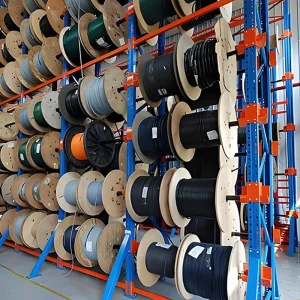
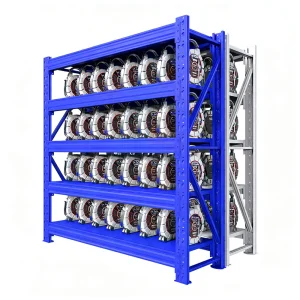
| Cable Reel/Drum Storage | Industrial Cable Reels, Coils | Spindle Staging & Active Payoff ready | High (Robot-Ready Spindle Pickers) |
Nanjing Lush Rack Co., Ltd. is a professional manufacturer specializing in industrial storage racking systems and warehouse storage solutions. The company is dedicated to the research, design, production, and installation of a full range of warehouse racks and shelving systems, providing efficient and reliable storage infrastructure for modern logistics and supply chain operations.
With strong engineering capabilities and advanced manufacturing equipment, Nanjing Lush Rack Co., Ltd. is able to deliver complete warehouse racking solutions from concept design and structural calculation to production, quality inspection, and installation guidance. Our engineering team works closely with clients to analyze warehouse space utilization, material flow, and load requirements, ensuring that each solution is safe, stable, and cost-effective.
The company maintains a strict quality control system throughout the production process, from raw material selection to final product inspection. All racking systems are designed and manufactured to meet international safety and durability standards, ensuring long service life and reliable performance even under heavy industrial use.
Nanjing Lush Rack Co., Ltd. has a skilled technical team and an experienced sales department that provides responsive communication and professional support. With stable production capacity and efficient supply chain management, we are capable of handling both standard orders and large-scale customized projects with consistent quality and on-time delivery.
Our products are widely used in industries such as logistics and distribution, e-commerce fulfillment centers, manufacturing, automotive parts storage, cold chain logistics, and retail warehousing. We have established a strong customer base across domestic markets in China, and our products are also exported to Southeast Asia, Europe, North America, and other international regions.
As a trusted partner in warehouse storage solutions, Nanjing Lush Rack Co., Ltd. is committed to delivering high-quality racking systems, innovative storage concepts, and long-term value for our customers. We continue to focus on improving warehouse efficiency, reducing operational costs, and supporting the development of modern intelligent logistics systems.
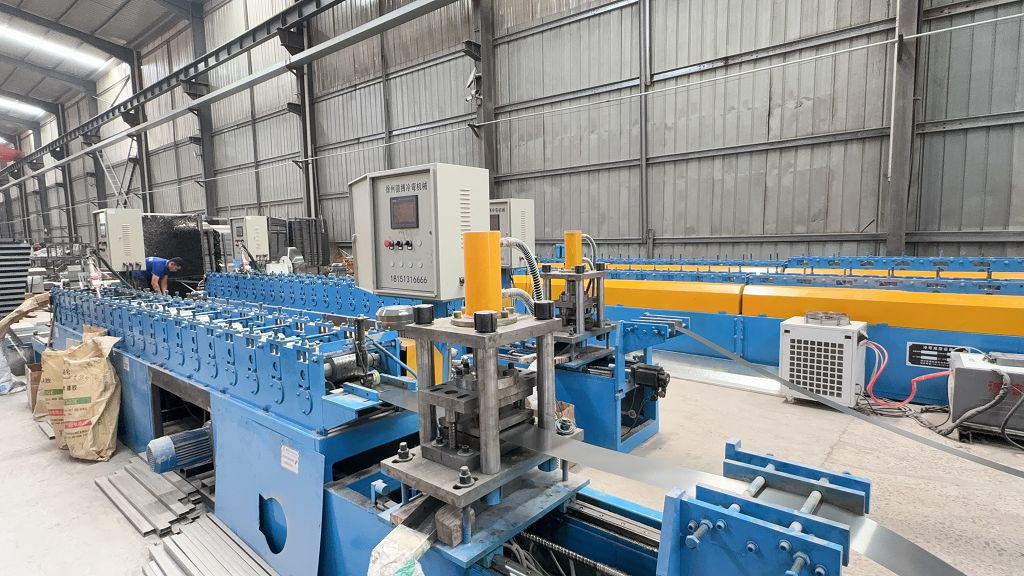
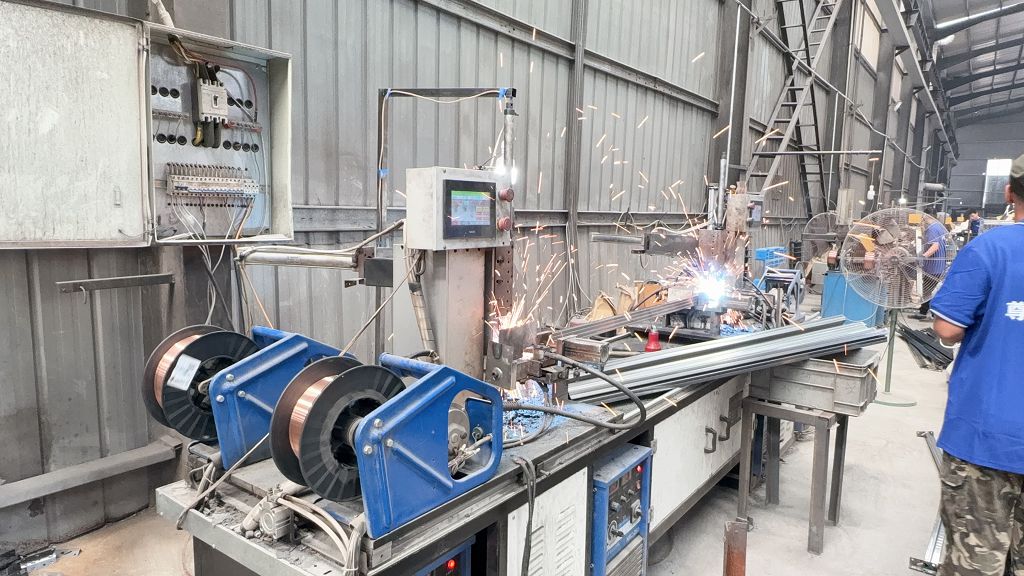
A transparent look inside our heavy-industrial facility. From structural raw-steel cutting to precision automatic welding and robotic painting.
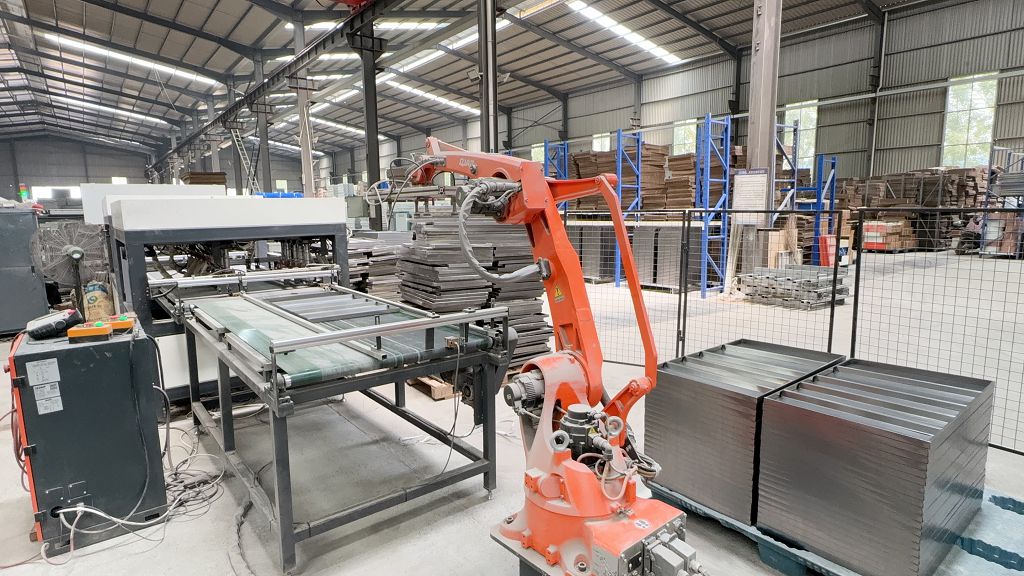
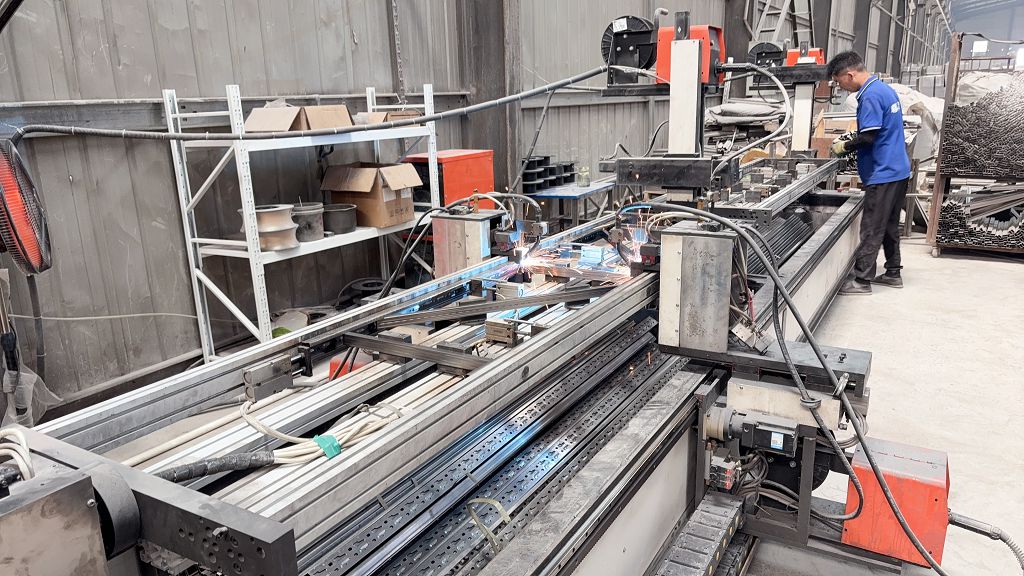
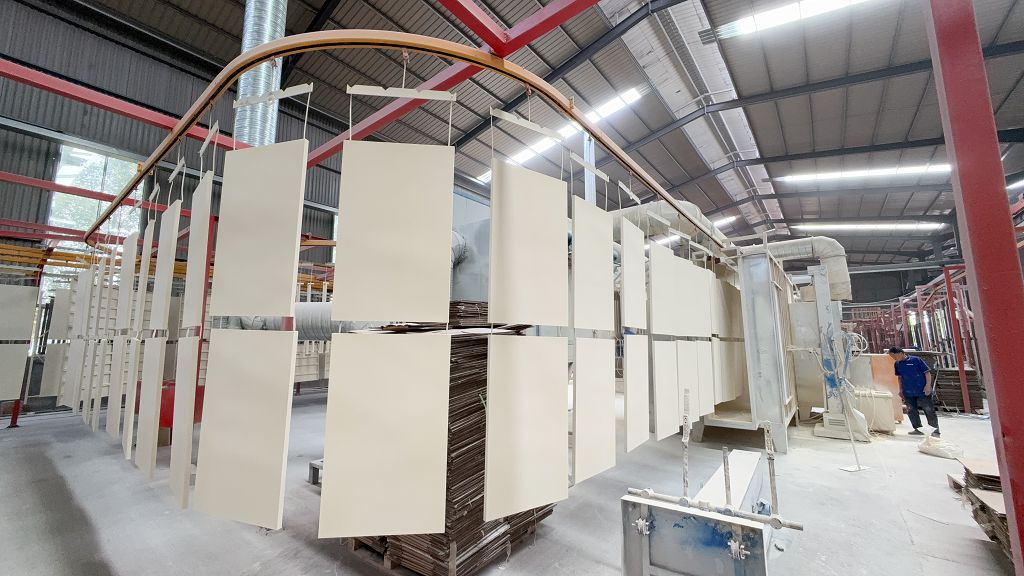
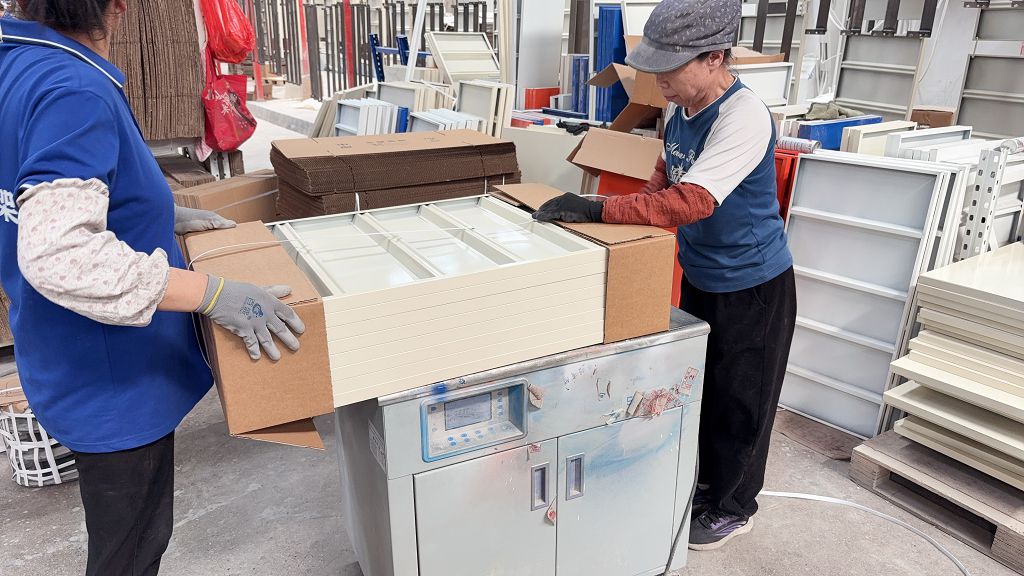
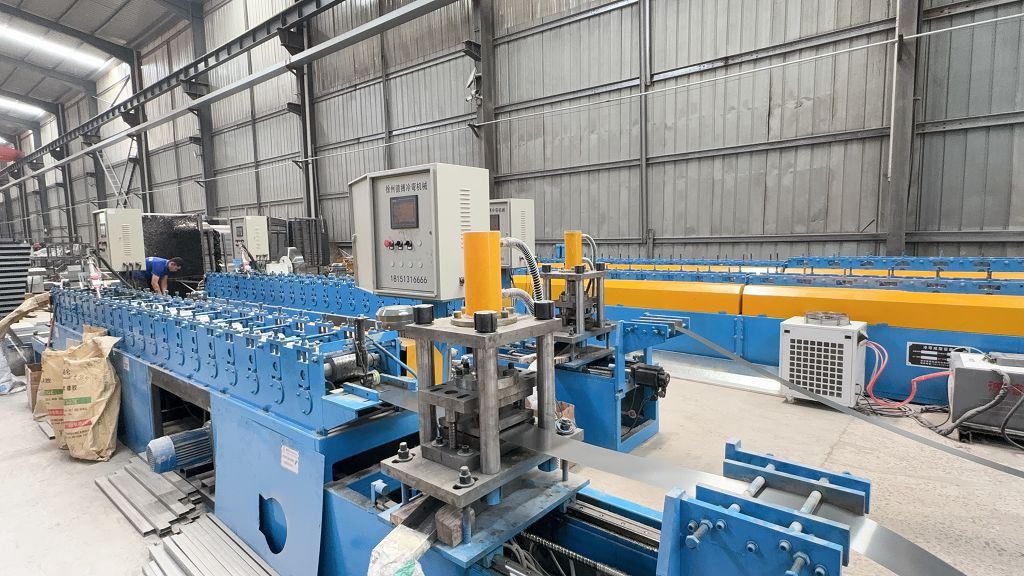
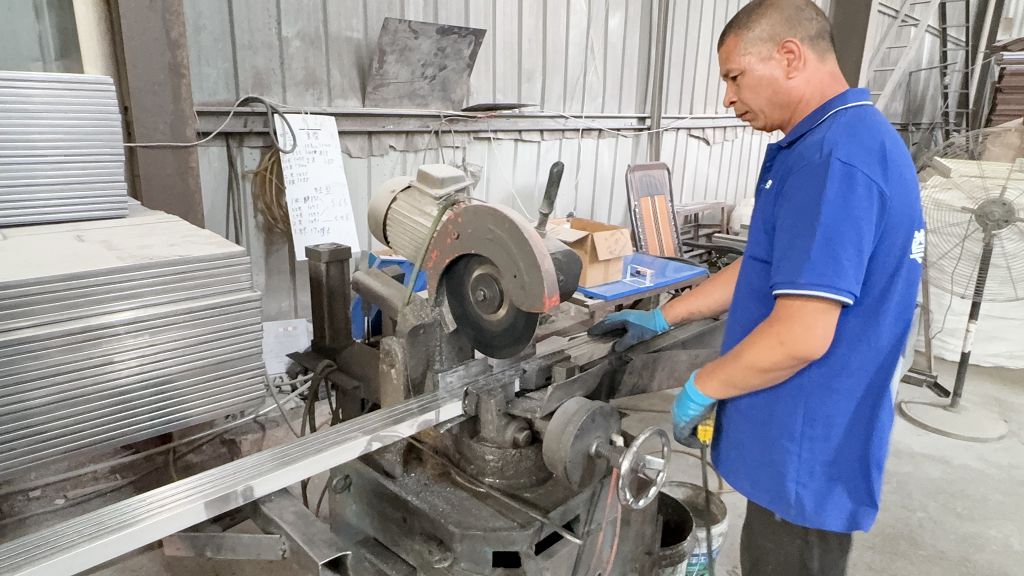
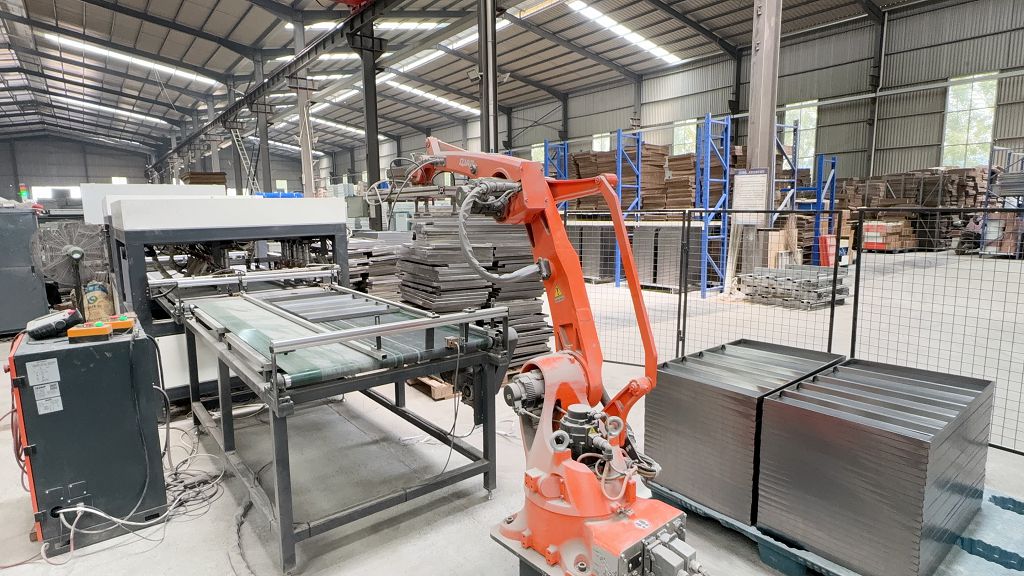
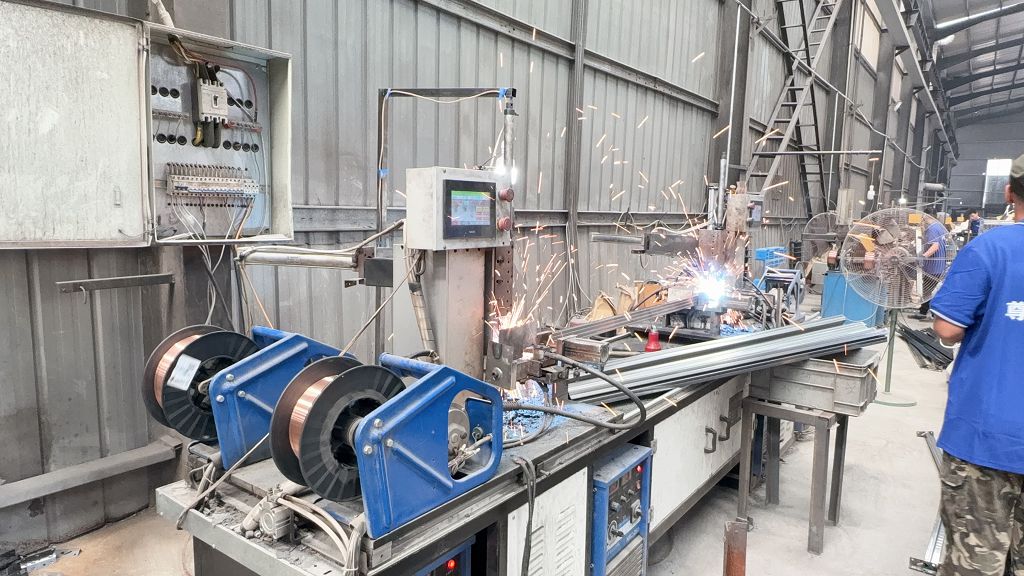
Storage solutions must fit localized environmental and load demands. Depending on where the logistics node operates, configuration guidelines change:
In sub-zero environments, regular structural steel can suffer from low-temperature embrittlement. Facilities require high-grade carbon steel options like Q235D or Q355D, which undergo impact tests at -20°C to -40°C. High-density drive-in racking or shuttle racking systems are crucial here to prevent the loss of chilled air volumes, which are extremely expensive to maintain.
Offshore marine structures are exposed to continuous saltwater spray, heavy winds, and dynamic roll-and-pitch physical forces. Storage systems must utilize heavy corrosion-resistant, hot-dip galvanized finishes or marine-grade stainless steel. Offshore cable reel racks on platforms must feature robust secondary locking structures to prevent heavy coils from breaking loose during high sea states.
In component manufacturing, rapid tooling changes require immediate access to multi-ton press molds and stamping dies. Heavy-duty slide-out drawer storage systems allow overhead factory cranes to rapidly hoist tools directly from the rack structure, protecting operators and reducing downtime to zero.
When engineering high-capacity industrial racking, structural engineers evaluate critical limits to avoid catastrophic failures. Buying decisions should be based on these verified structural properties:
According to industrial guidelines (such as RMI / MH16.1), the maximum allowed deflection of a loaded beam must not exceed length (L) divided by 180 (L/180). For automated operations where laser sensors direct autonomous systems, tight tolerances of L/240 or L/300 are necessary.
Beams and uprights are tested not just for static dead weight, but for the sudden dynamic shocks of warehouse machinery. Our testing protocols verify load capacity and structural response during high-impact loading and vertical drop tests.
Seismic zoning requires calculated modifications in upright frame configurations. In high seismic risk areas, oversized baseplates, heavy duty chemical anchors, and thick cross-bracing are added to distribute lateral acceleration forces down to the concrete slab.
Expert engineering answers to critical logistics and industrial racking procurement questions.
Maximize your distribution flow. Discover our full selection of heavy-duty industrial racks, certified shelving systems, and customizable warehouse storage units.
 Lush Rack