Engineered to optimize structural safety and load distribution across heavy-duty industrial warehouses.
An expert analysis of High-Density Drive-In systems, supply chain metrics, and local engineering compliance standards for logistics directors.
As modern distribution centers experience unprecedented space-cost constraints, warehousing footprints must undergo vertical optimization. Nanjing Lush Rack Co., Ltd. stands as a premier manufacturer specializing in industrial storage racking systems and complete warehouse storage solutions. The company is dedicated to the research, design, production, and installation of a full range of warehouse racks and shelving systems, providing efficient and reliable storage infrastructure for modern logistics and supply chain operations.
With strong engineering capabilities and advanced manufacturing equipment, Nanjing Lush Rack Co., Ltd. is able to deliver complete warehouse racking solutions from concept design and structural calculation to production, quality inspection, and installation guidance. Our engineering team works closely with clients to analyze warehouse space utilization, material flow, and load requirements, ensuring that each solution is safe, stable, and cost-effective.
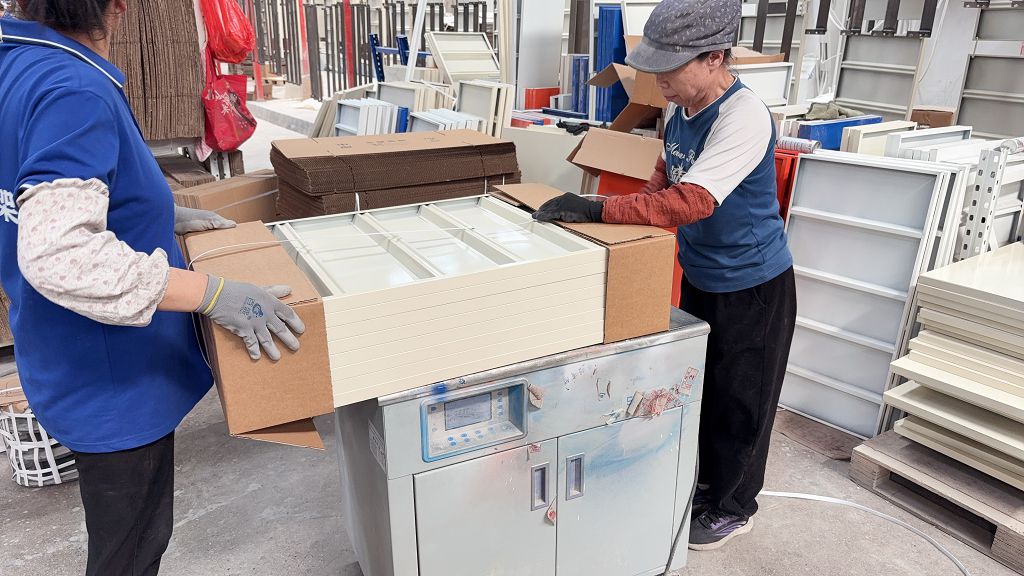
The company maintains a strict quality control system throughout the production process, from raw material selection to final product inspection. All racking systems are designed and manufactured to meet international safety and durability standards, ensuring long service life and reliable performance even under heavy industrial use.
Maximizing volumetric utilization through structural rigidity, pallet rails, and entry-aisle mechanics.
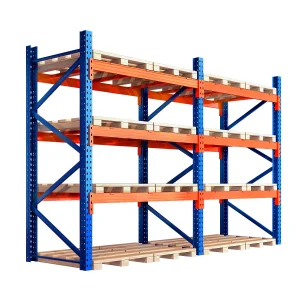
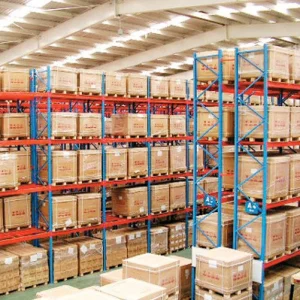
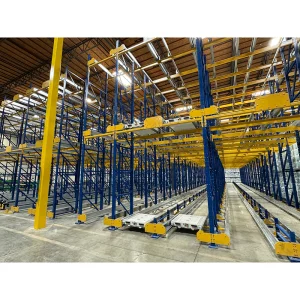
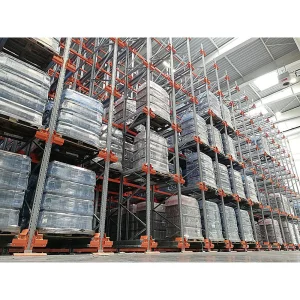
Drive-In racking is a highly specialized configuration utilizing Last-In, First-Out (LIFO) storage mechanisms. By eliminating traditional access aisles between adjacent rows, forklift trucks enter directly into the bays to deposit or retrieve pallets. This system reduces dedicated aisle space by up to 60%, delivering a potential increase in total storage density of up to 75% compared to selective pallet configurations. It is designed for operations storing highly uniform materials with minimal stock rotation requirements.
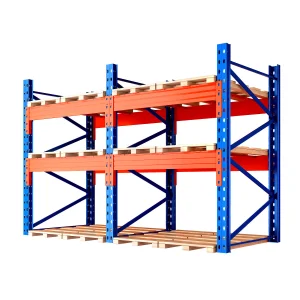
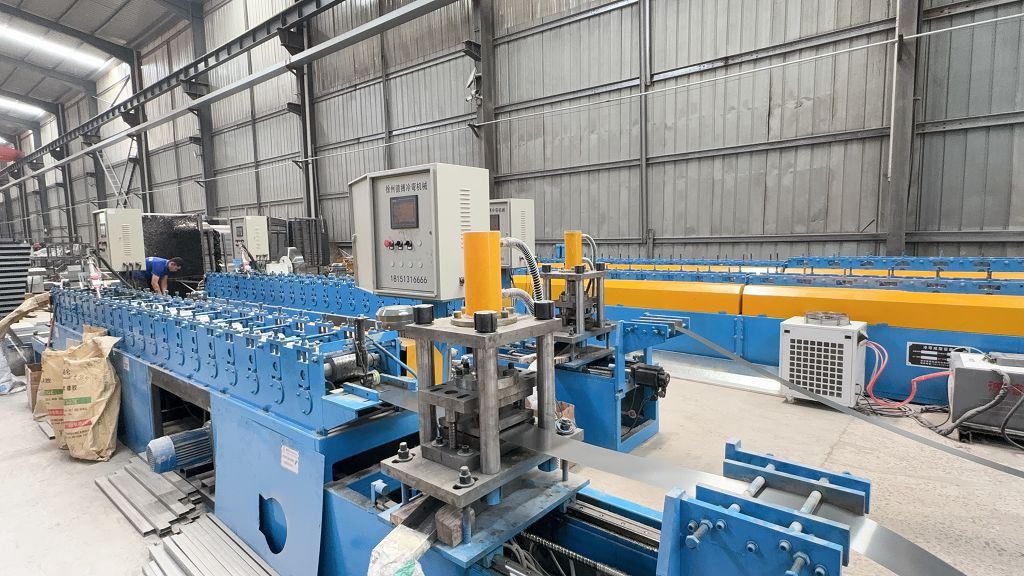
Unlike selective racking where pallets rest on horizontal steel beams, Drive-In systems support loads via cantilevered rails running the full depth of the storage channel. These heavy-duty rails are cold-rolled from high-grade structural steel and bolted securely to specialized arms attached to the vertical uprights. Proper calculations of structural deflection under live loads are critical. This ensures pallets do not slip or drop, maintaining system integrity during intensive operations.
Because the forklift physically enters the frame, Drive-In racks are subject to lateral forces and potential accidental impacts. Nanjing Lush Rack structures are engineered using Finite Element Analysis (FEA) to withstand high lateral load variations. Horizontal and vertical cross-bracings are placed at specific bays to reinforce structural stability, providing wind and seismic resistance in compliance with global geotechnical classifications.
Warehouse Space Optimization
Annual Steel Processing Capacity
Certifications & Standards
Global Export Destination Countries
Leveraging raw material density, advanced engineering automation, and logistics networks to ship worldwide.
Our manufacturing base in Nanjing sits within China's steel industrial hub. This geographical advantage gives us access to top-grade domestic steel mills, allowing us to source Q235B and Q355B structural steel at stable pricing. Vertical integration means we control the entire lifecycle of our steel profile fabrication—from raw coil feeding to structural calculations—delivering lower margins to our international buyers without compromising structural durability.
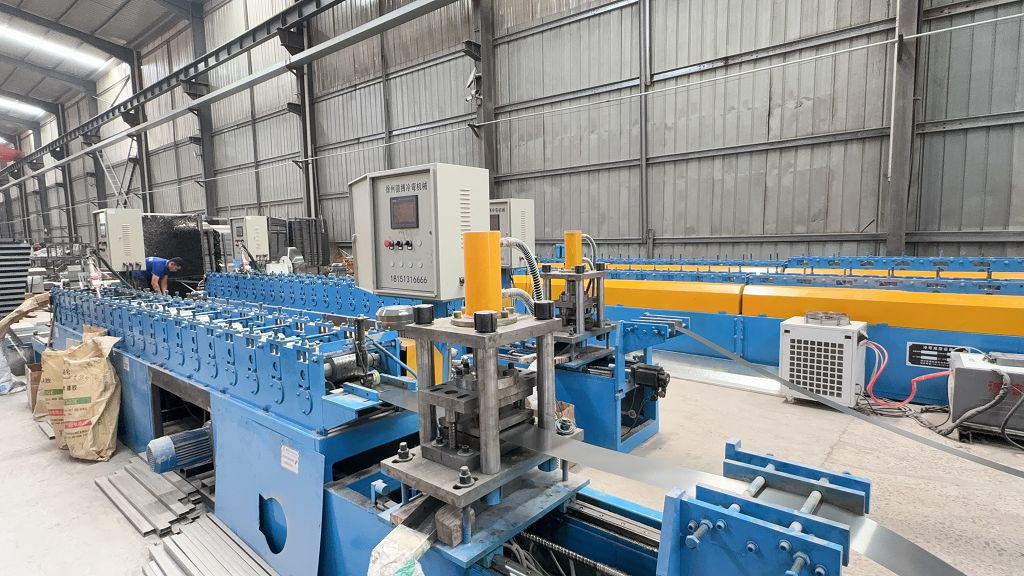
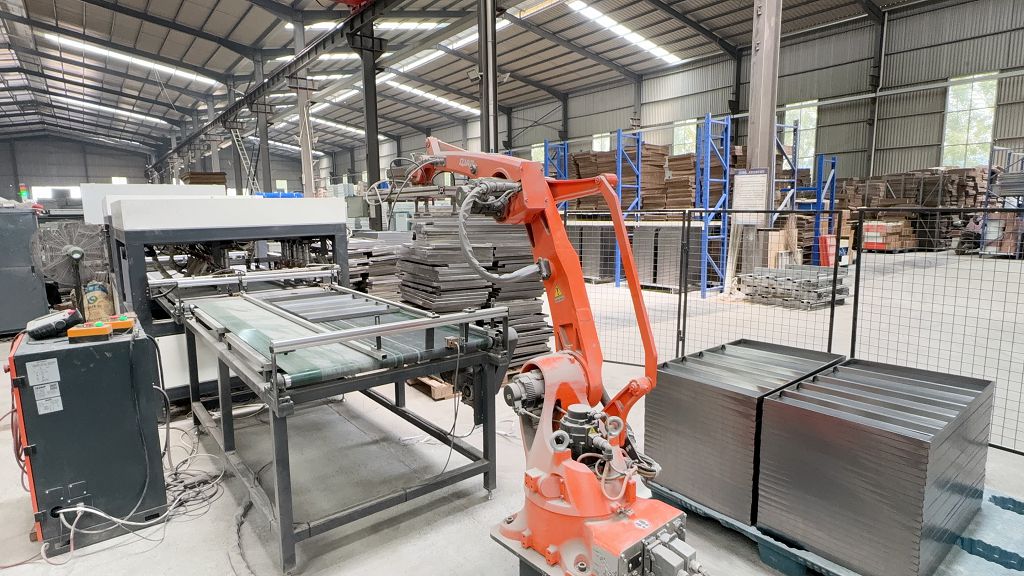
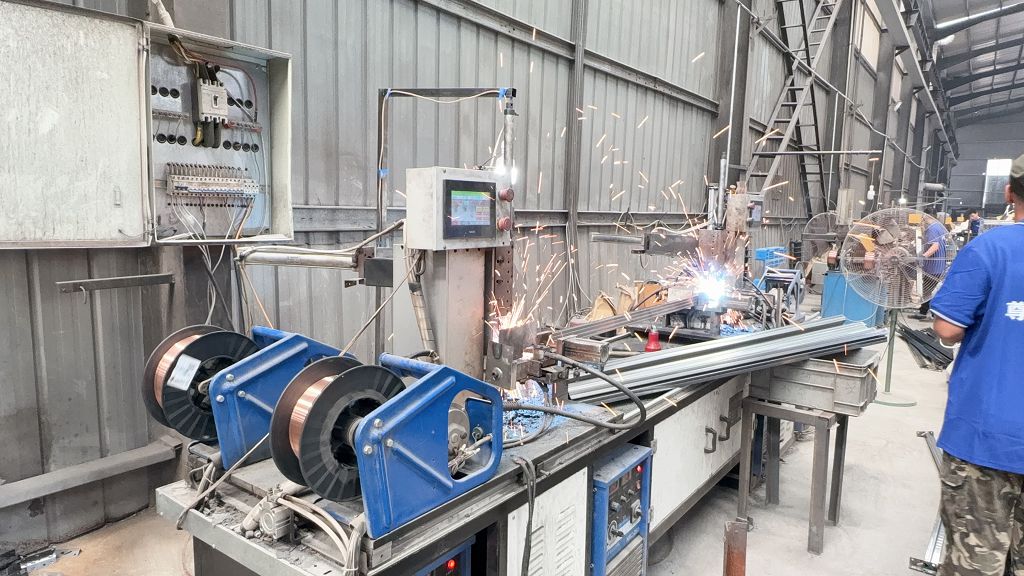
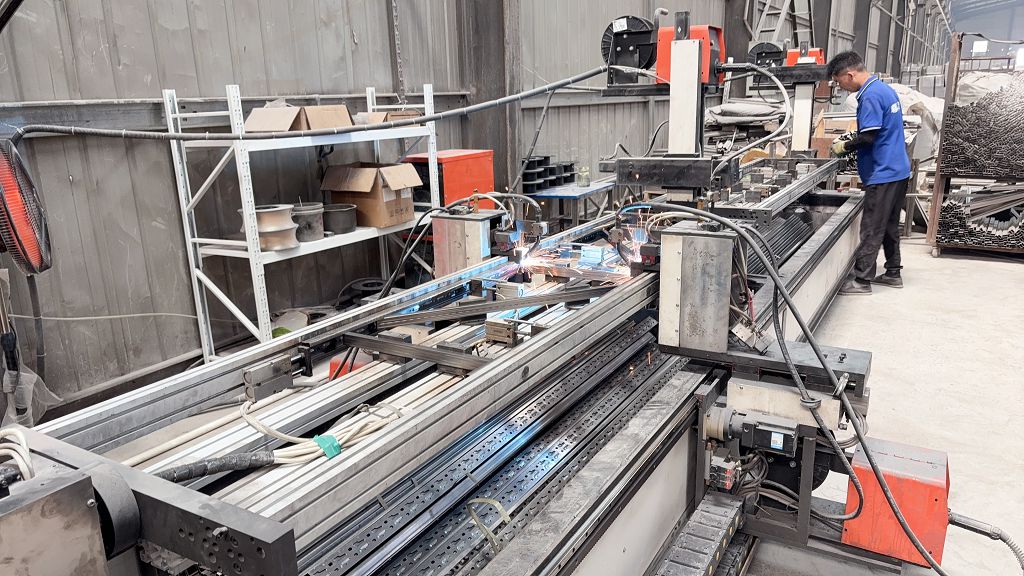
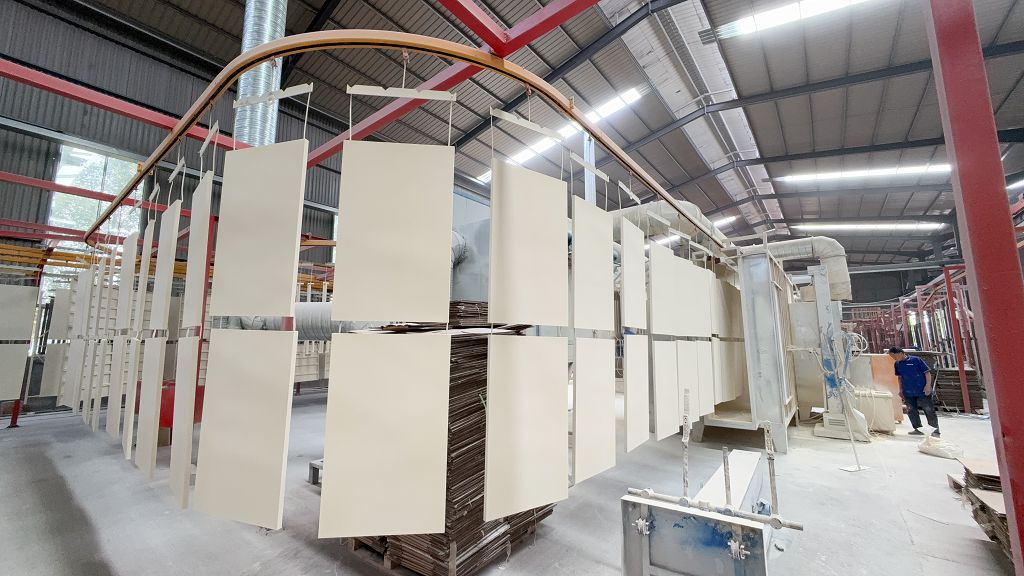
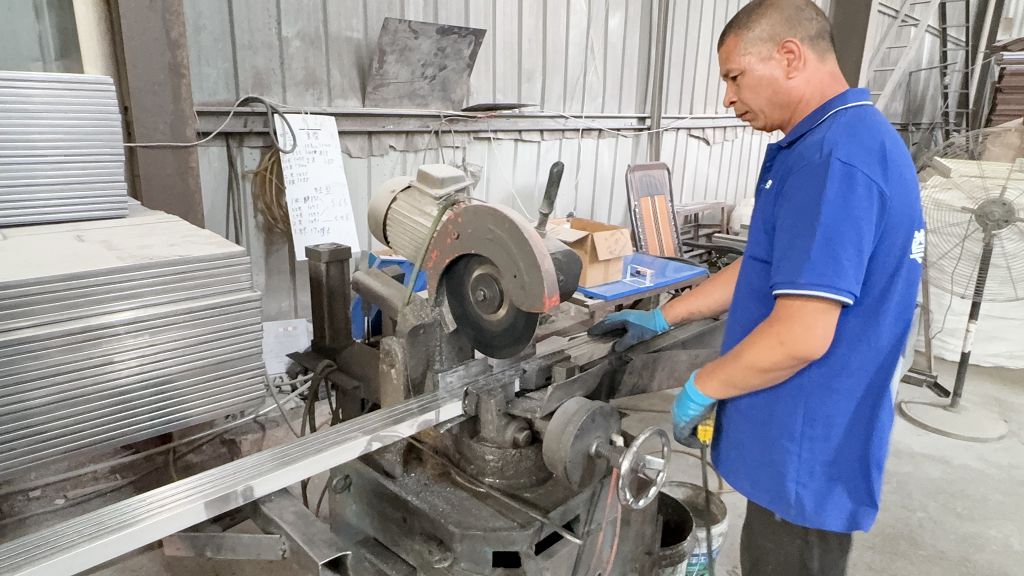
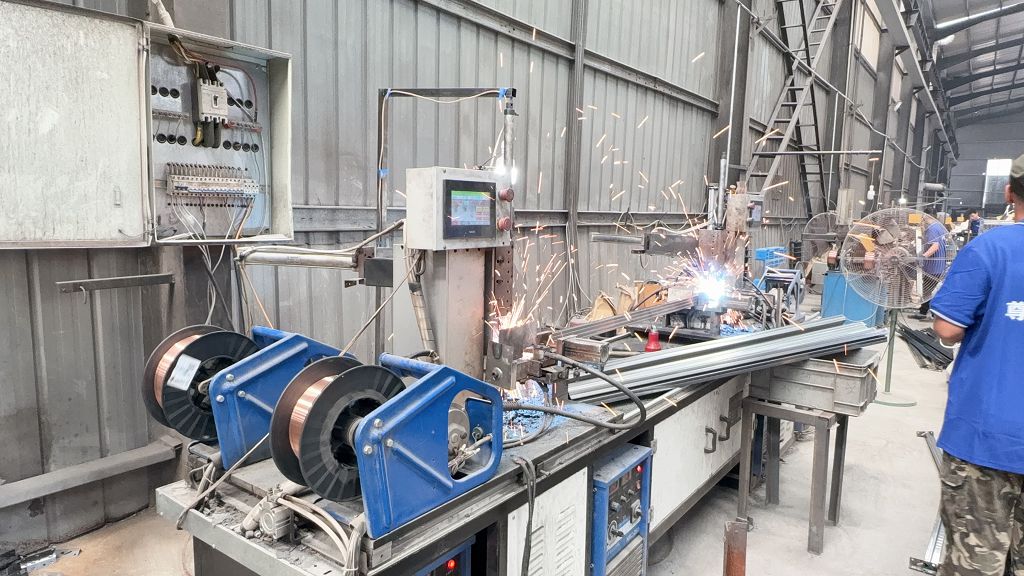
Equipped with high-precision rolling machines, automated welding centers, and modern electrostatic powder coating lines, Nanjing Lush Rack maintains consistent control over material properties and coating performance. This robust supply chain enables us to handle high-volume OEM configurations and deliver custom systems ahead of tight project schedules.
Adapting Drive-In configurations for AGVs, green storage practices, and digital twin monitoring.
As international logistics hubs face rising labor costs, automated guided vehicles (AGVs) and autonomous mobile robots (AMRs) are replacing standard forklifts. Our modern Drive-In and Drive-Through systems are engineered with tighter dimensional tolerances, integrated guide rails, and photoelectric sensors. This enables smooth automated navigation inside the storage lanes.
Cold chain operations consume significant energy. Utilizing dense Drive-In structures reduces the thermal footprint per pallet position. By packing items closer together, operators can cut refrigeration energy consumption by up to 30%. This directly supports carbon reduction targets for global industrial firms.
To withstand humid or sub-zero environments, raw steel components undergo hot-dip galvanization or receive an electrostatic powder coat finish. This dual-layer corrosion prevention maintains long-term structural integrity and resists chipping from forklift impacts.
Ensuring structural projects meet European EN 15512, American RMI, and Australian AS4084 standards.
For imports to the EU and UK, we perform structural verifications using the limit state design method defined in EN 15512. We calculate structural profiles to account for frame imperfections, second-order global load effects, and structural tolerances, ensuring safety clearances and structural stability.
For US installations, our calculations follow the Rack Manufacturers Institute (RMI Specification MH16.1). Our designs evaluate cold-formed steel buckling behavior, structural column loads, and anchor bolt configurations. This ensures compliance with regional building codes (IBC) and local seismic requirements.
For Australian and New Zealand installations, structural frames are verified against AS 4084. We calculate structural load capacity charts and include vertical upright impact protectors. This ensures compliant, safe operations in distribution facilities across the region.
To address the challenges of international project coordination, Nanjing Lush Rack offers comprehensive design support for your warehousing projects. We provide full engineering documentation, installation manuals, and structural load calculations (FEA) to simplify local permitting and structural inspections.
During installation, we provide detailed layout drawings, video tutorials, and optional remote engineering support to ensure correct assembly. Our global partner network also assists with on-site installation, safety inspections, and system commissioning to keep your project on schedule.
How different industries use dense storage to optimize operations and lower facility costs.
Because refrigerated volume is expensive to cool, maximizing storage density is a key priority. Drive-In racking is standard in sub-zero freezers, packing food, seafood, and vaccine pallets close together to minimize energy loss.
FMCG and beverage manufacturers process high quantities of uniform pallets under identical SKUs. Drive-In systems allow for batch-in, batch-out operations, simplifying picking workflows and maximizing truck loading cycles.
Before packaging and dispatch, bulk pharmaceutical ingredients require stable, climate-controlled buffering. Our systems organize these batches safely, preventing material damage while maintaining high floor utilization.
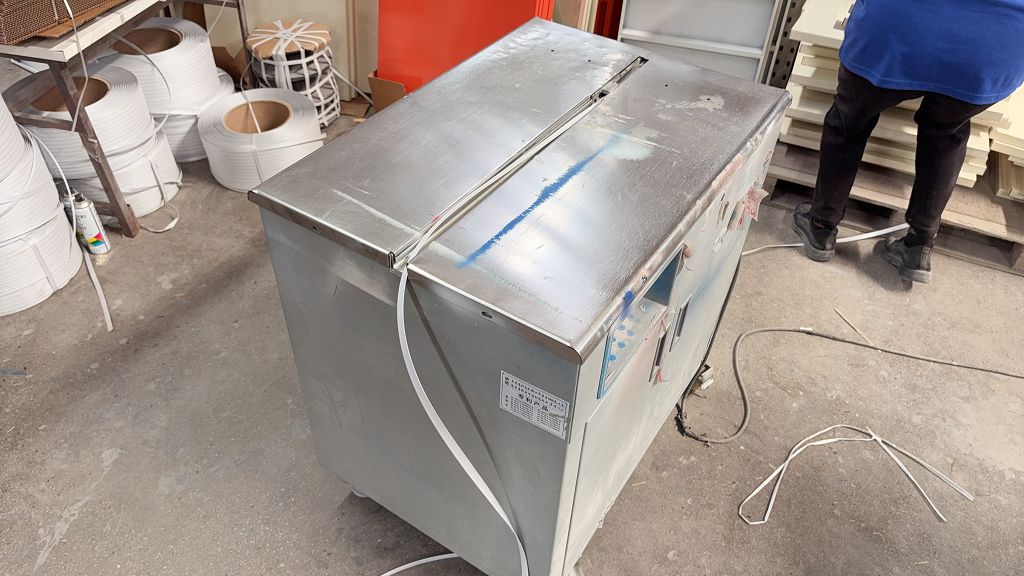
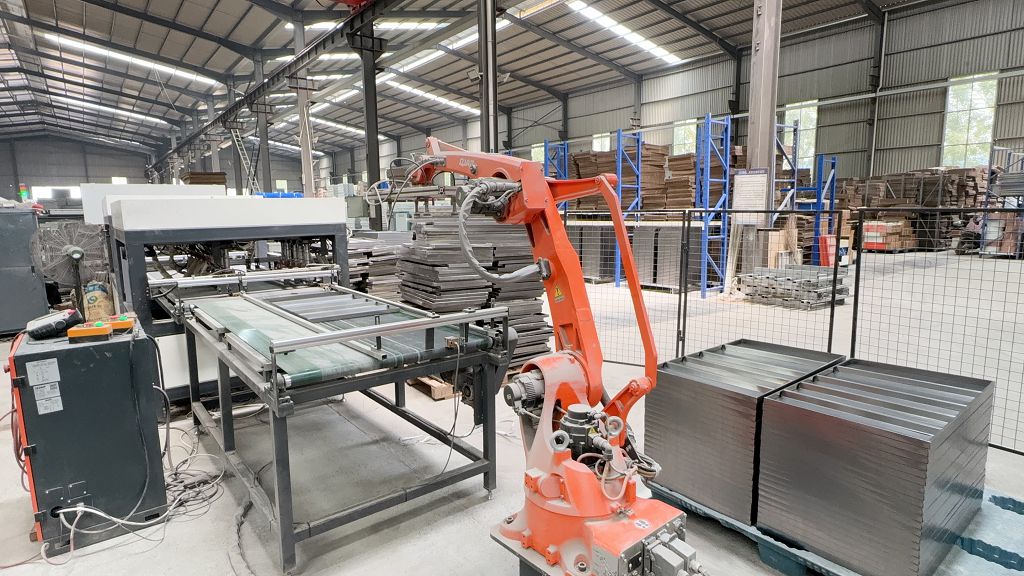
A look at the machinery and automated processes behind our industrial racking systems.
Detailed engineering explanations to help logistics managers make informed procurement decisions.
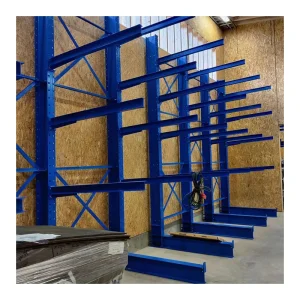
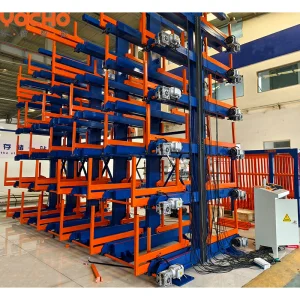
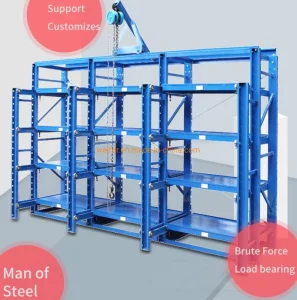
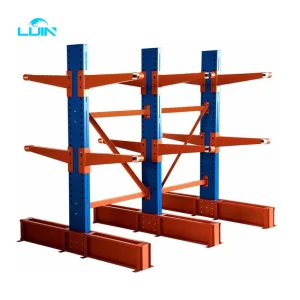
Explore our wider range of cantilever racks, automated systems, and specialized industrial shelving.
 Lush Rack