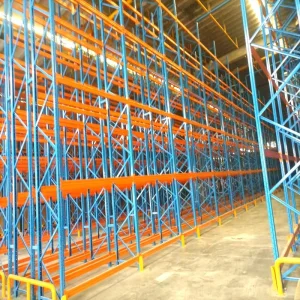
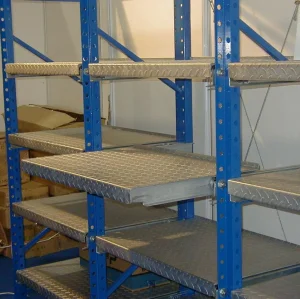
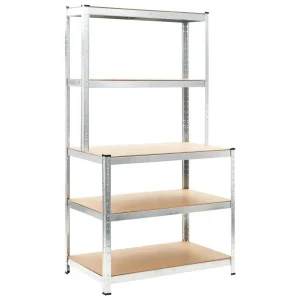
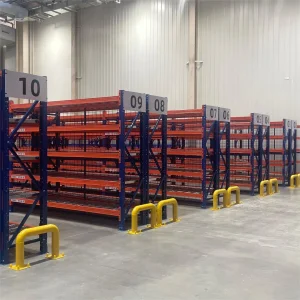
Engineered structural solutions certified to European and international standards for maximum durability and load safety.
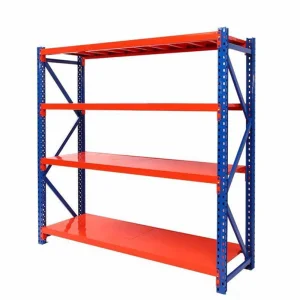
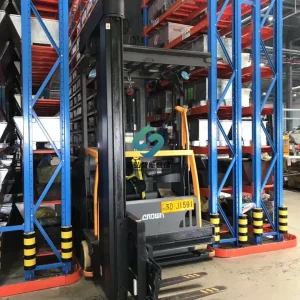
In the contemporary globalized economy, modern logistics infrastructure serves as the central nervous system of supply chain networks. The surging growth of omnichannel retail, dynamic e-commerce fulfillment hubs, automated cold storage facilities, and advanced production warehouses has elevated the requirements for industrial storage shelving to unprecedented levels. In this dynamic landscape, the simple static storage system has transformed into a high-capacity, high-precision structural tool designed to optimize vertical warehouse space, improve inventory visibility, and ensure safe working conditions.
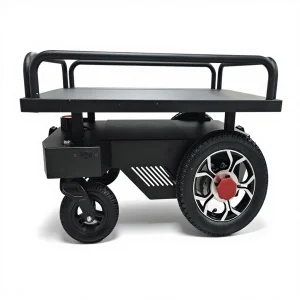
Industrial storage designs must now navigate intense regulatory environments, optimize spatial footprints, and coordinate seamlessly with robotic material handling systems (such as AMRs and AGVs). As warehouse operators seek to maximize the density of storage spaces, adjustable shelving units have emerged as the standard infrastructure choice. Unlike welded or fixed structures, adjustable systems provide key flexibility, enabling rapid modifications in storage slotting layouts to accommodate changing pallet sizes and product dimensions without requiring complete structural rebuilds.
“Supply chain elasticity is no longer just a metric; it is a mechanical requirement of storage design. Highly configurable, adjustable shelving systems represent the first line of defense against volatile inventory trends and fluctuating stock keeping units (SKUs).”
However, implementing adjustable racking on an industrial scale introduces complex mechanical considerations. Every adjustable configuration adjustment redistributes structural stress, structural bending moments, and frame loading capacities. Consequently, global procurement managers and structural safety officers must rely heavily on trusted certifications, specifically the CE Certification, to guarantee that these modular components can withstand severe static loads, accidental impact forces, and seismic accelerations without structural failures.
Certified High-Tensile Steel
CE EN 15512 Safety Compliant
Maximum Capacity Per Level
9001:2015 Structural Quality Control
Nanjing Lush Rack Co., Ltd. is a professional manufacturer specializing in industrial storage racking systems and warehouse storage solutions. The company is dedicated to the research, design, production, and installation of a full range of warehouse racks and shelving systems, providing efficient and reliable storage infrastructure for modern logistics and supply chain operations.
With strong engineering capabilities and advanced manufacturing equipment, Nanjing Lush Rack Co., Ltd. is able to deliver complete warehouse racking solutions from concept design and structural calculation to production, quality inspection, and installation guidance. Our engineering team works closely with clients to analyze warehouse space utilization, material flow, and load requirements, ensuring that each solution is safe, stable, and cost-effective.
Our products are widely used in industries such as logistics and distribution, e-commerce fulfillment centers, manufacturing, automotive parts storage, cold chain logistics, and retail warehousing. We have established a strong customer base across domestic markets in China, and our products are also exported to Southeast Asia, Europe, North America, and other international regions.
The company maintains a strict quality control system throughout the production process, from raw material selection to final product inspection. All racking systems are designed and manufactured to meet international safety and durability standards, ensuring long service life and reliable performance even under heavy industrial use.
Nanjing Lush Rack Co., Ltd. has a skilled technical team and an experienced sales department that provides responsive communication and professional support. With stable production capacity and efficient supply chain management, we are capable of handling both standard orders and large-scale customized projects with consistent quality and on-time delivery.
In structural and civil engineering, steel shelving units are categorized as structural building products when installed permanently within facilities. For European Union procurement and global safety programs, basic structural soundness is not merely assumed; it must be proven. CE marking for industrial shelving (primarily regulated under EN 15512 and EN 15620) signifies that the racking design, metallurgy, welding, and load capacity ratings strictly align with rigorous structural testing methodologies.
Typical compliance protocols for adjustable storage structures require evaluating several critical design aspects:
| Regulatory Reference | Focus Area | Engineering Standard / Test Procedure |
|---|---|---|
| EN 15512:2020 | Structural Design Standards | Calculation methods for steel static storage systems, including frame buckling analysis, beam-to-column connector rigidity tests, and base-plate rotational stiffness evaluations. |
| EN 15620 | Tolerances & Clearances | Specifies allowable deviations in layout alignment, plumbness, and upright tilt for standard, narrow aisle, and high-bay configurations under load. |
| EN 15635 | Operations & Maintenance | User rules and safety procedures for inspecting and operating racking installations, defining green, amber, and red damage levels for upright columns. |
| EN 1090-1 / CE | Structural Steel Fabrication | Mandates structural steel execution classes (EXC) compliance for structural components integrated into permanent buildings. |
To secure a CE certificate, the raw steel materials (primarily certified high-tensile grades like Q235B and Q355B) undergo rigorous destructive testing. Suppliers must document mill test certificates (MTC) proving precise yield strengths, ultimate tensile strengths, and elongation values. In addition, actual assembly units must be subjected to bend tests, upright compression tests, and frame shear tests to record performance characteristics under stress. This data is critical for validating the finite element analysis (FEA) models used to calculate maximum safe load limits for customizable systems.
How state-of-the-art production automation translates into high structural consistency, cost savings, and rapid global distribution.
By positioning manufacturing in key industrial hubs like Nanjing, factories benefit from immediate access to major national steel foundries. This eliminates long-distance transport costs for raw materials, allowing quick adjustments in production volume during steel price shifts.
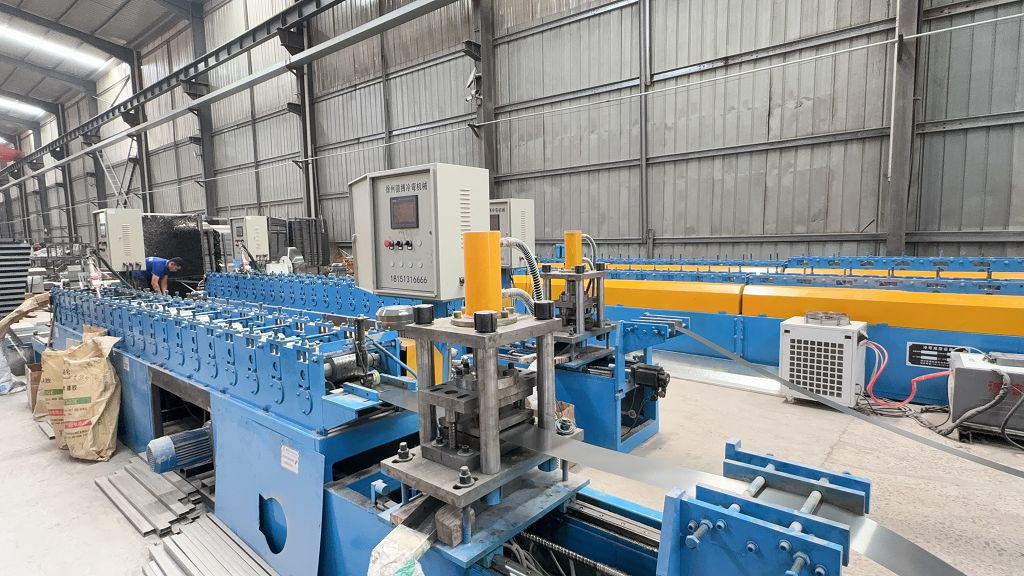
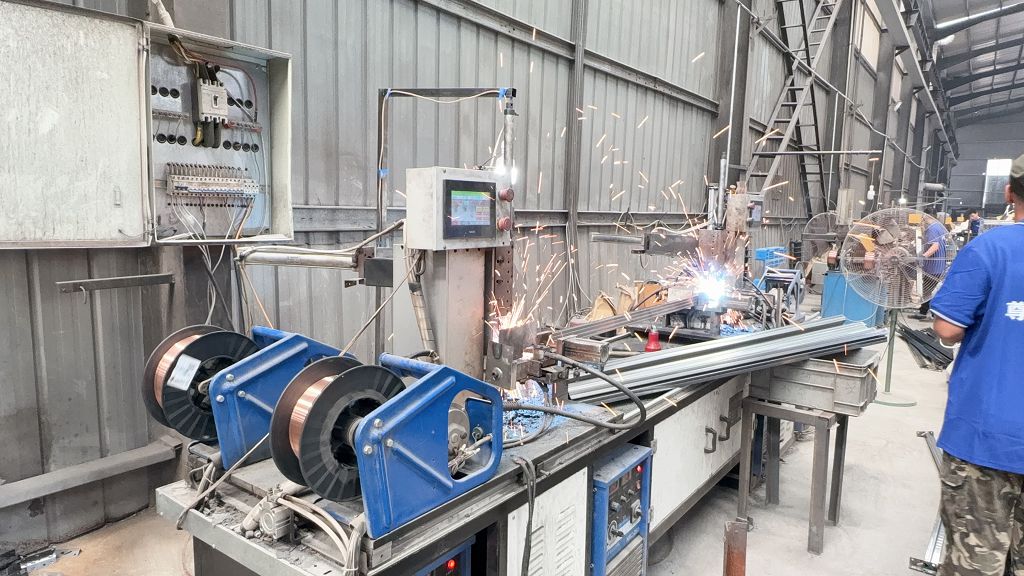
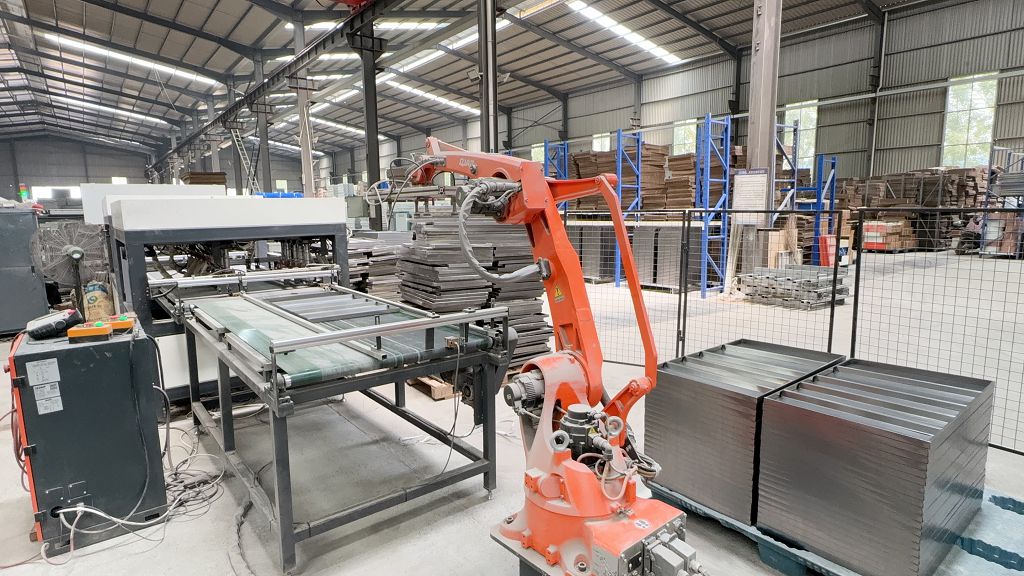
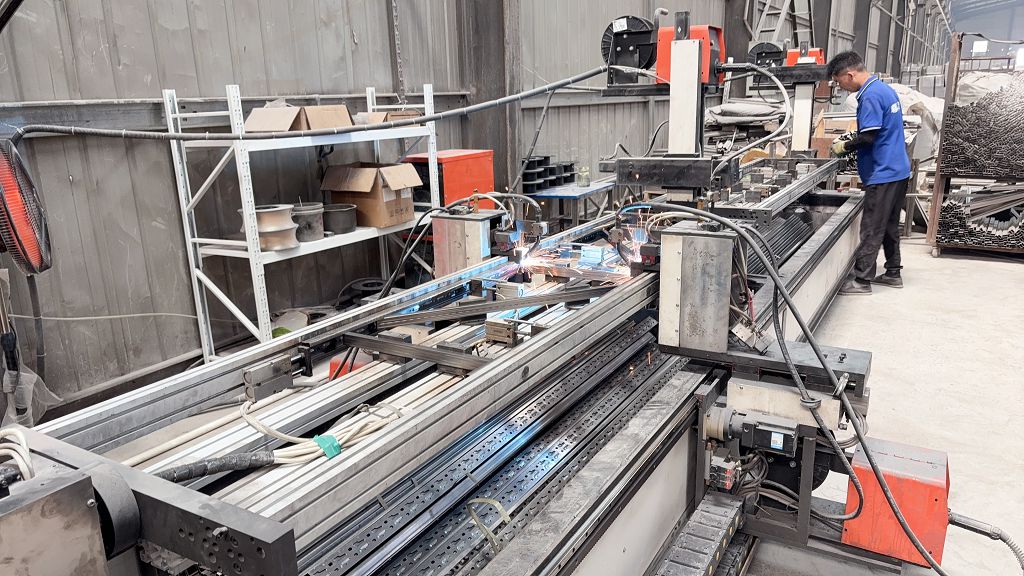
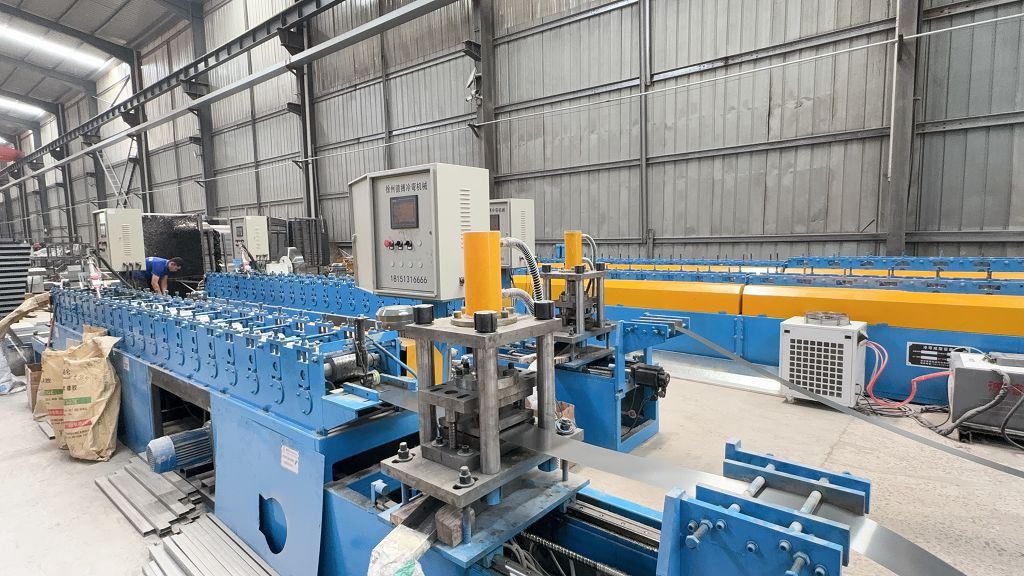
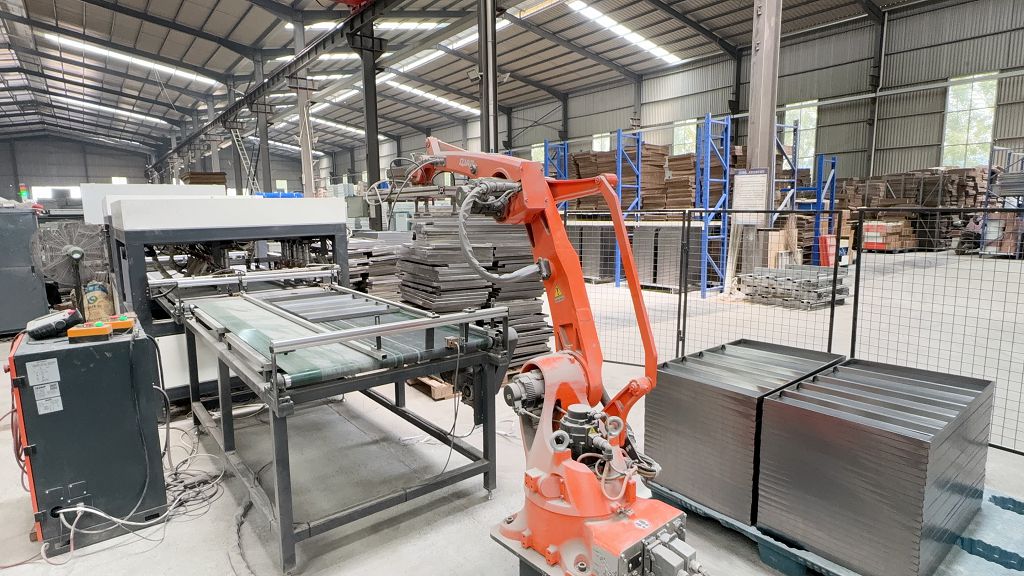
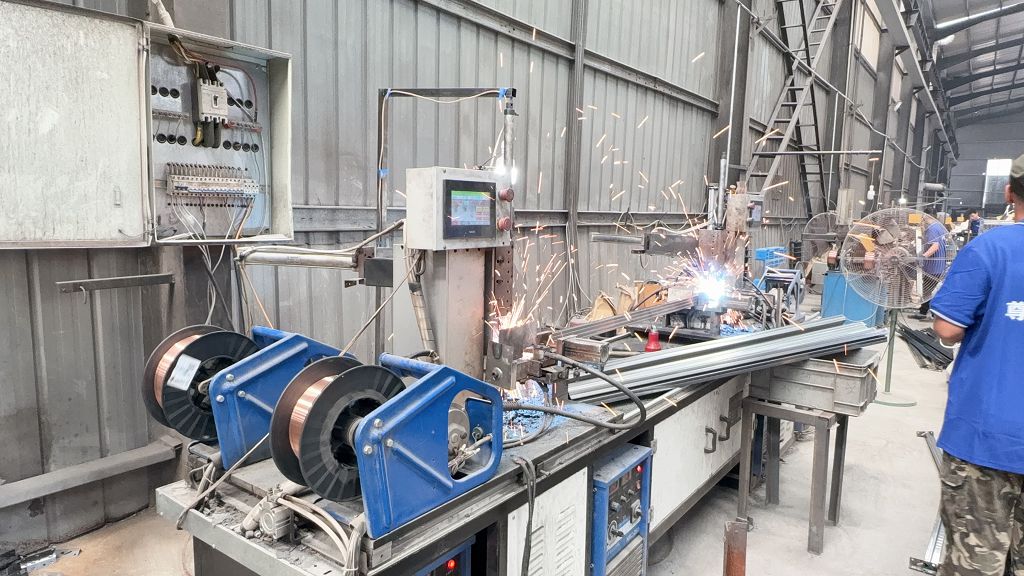
We operate advanced continuous roll-forming mills that transform flat steel coils into precision cold-formed upright profiles. Robotic punch presses pierce connection slots at highly precise intervals, ensuring seamless compatibility across components.
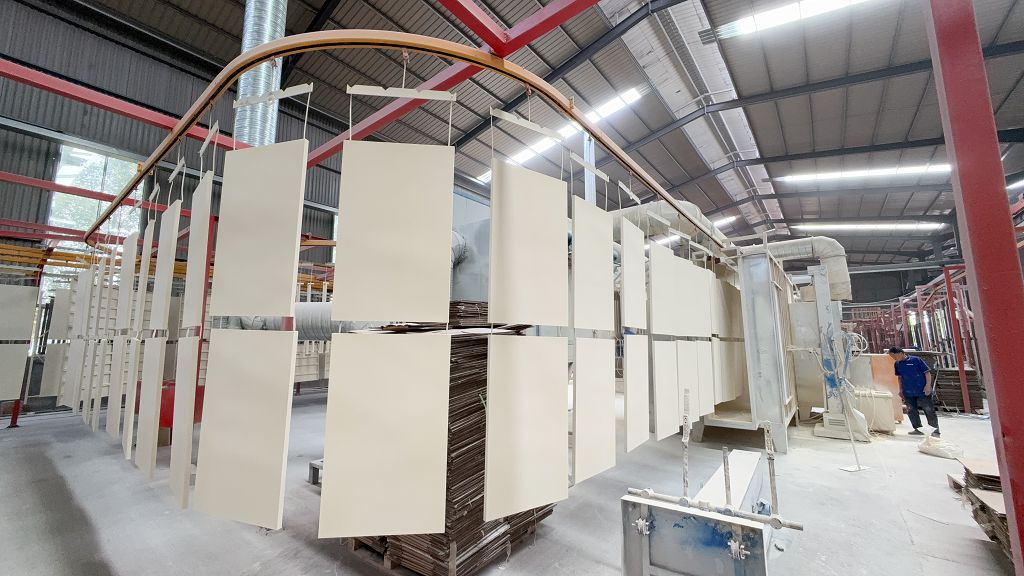
Our automated powder-coating lines incorporate multi-stage pre-treatments (acid washing, phosphating, and rinsing). This process guarantees superior adhesion for the protective thermosetting powder finish, providing excellent resistance against rust, scratches, and impact damage.
Different industrial operating environments require tailored storage structures. Selecting the right metal alloy, post dimensions, beam heights, and corrosion-protection levels directly impacts overall efficiency, safety, and long-term costs.
Cold chain logistics facilities operate at temperatures ranging from 0°C to -30°C. Under these freezing conditions, ordinary carbon steels risk low-temperature embrittlement, which can lead to sudden fractures under impact. Our solutions utilize heavy-duty narrow aisle racks engineered with grade-certified steel. These racking systems undergo specialized heat treatments to maintain impact resistance and ductility at sub-zero temperatures. In addition, galvanized or epoxy-coated finishes prevent rust caused by condensation during temperature shifts.
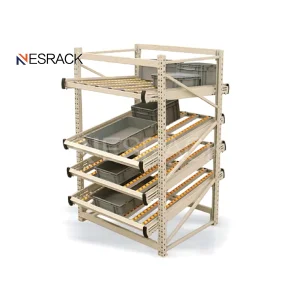
Modern e-commerce fulfillment hubs prioritize order processing speed and fast access to inventory. These centers rely heavily on dynamic modular pick-and-place setups integrated with high-level pick shelves, gravity carton flow tracks, and automated robots. Shelving spacing must be easily adjustable to accommodate changing carton configurations and support integration with automated guidance systems.
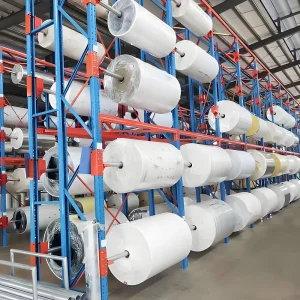
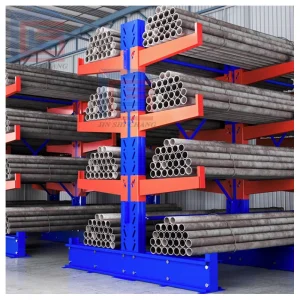
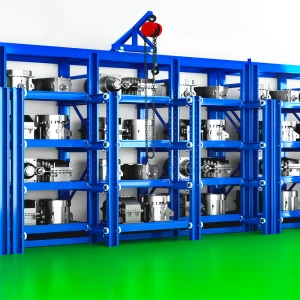
Automotive parts production plants, injection molding facilities, and heavy machine shops store heavy, concentrated loads. These facilities require specialized setups such as cantilever systems, heavy-duty sheet metal shelves, and robust mold racks. These systems must support weight capacities ranging from 1,000 kg to over 4,000 kg per level. Upright frames are reinforced with impact-resistant column guards to protect the structure from forklift collisions during daily operations.
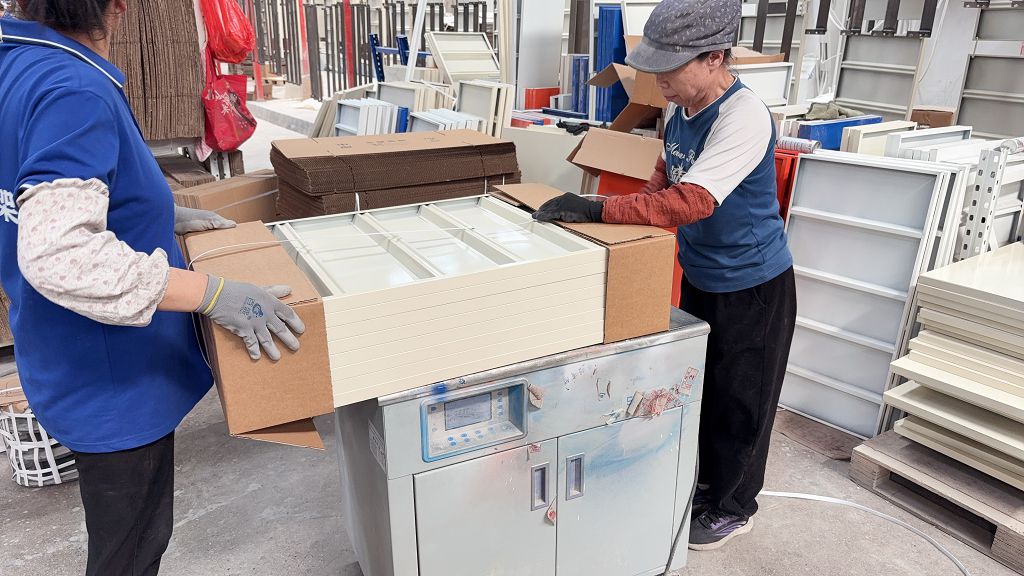
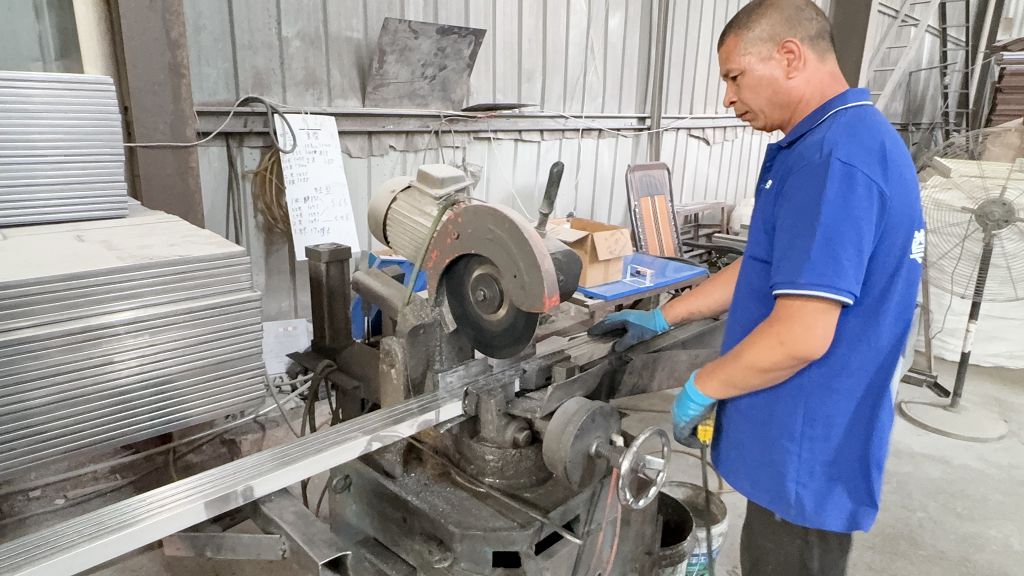
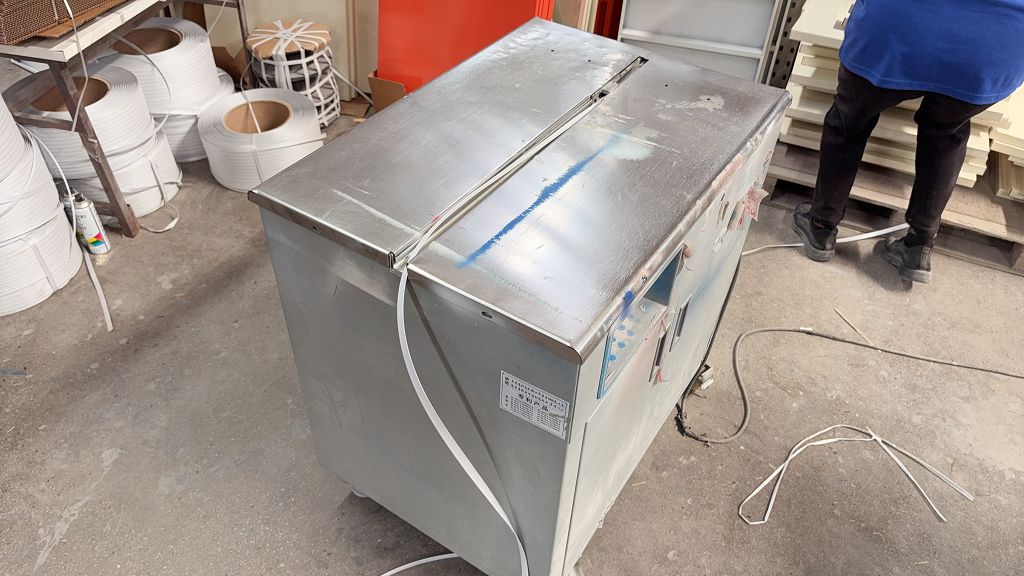
Inside our ISO-compliant manufacturing plant, where raw steel is engineered into certified industrial storage solutions.
The industrial shelving and racking sector is evolving rapidly to keep pace with broader advancements in logistics technology. Key trends driving the market include:
Sourcing large-scale racking installations from overseas suppliers requires thorough technical verification to mitigate risks. When evaluating potential manufacturing partners, global buyers should prioritize these structural and logistical criteria:
Essential structural, engineering, and logistics guidelines for industrial warehouse operators and procurement managers.
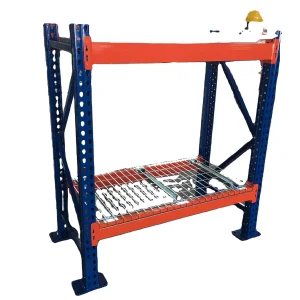
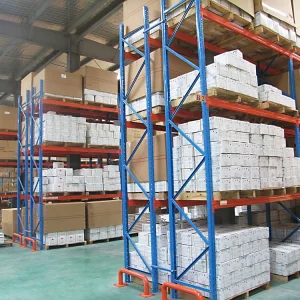
Discover our range of industrial and heavy-duty storage systems designed to maximize storage density and efficiency.
 Lush Rack