Engineered for extreme structural loading, optimal selectivity, and seamless logistics integration.
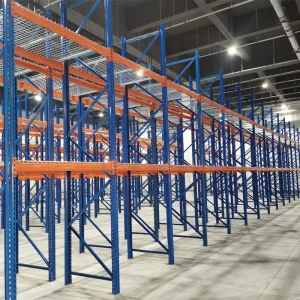
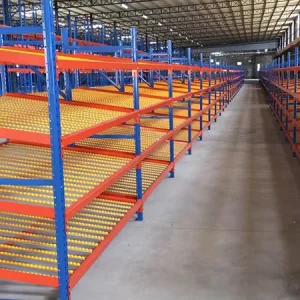
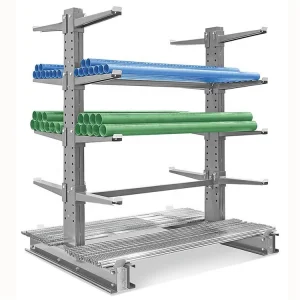
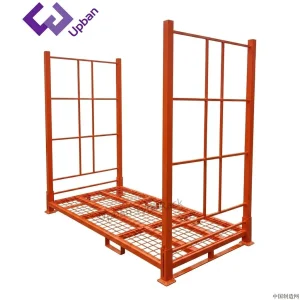
The global warehousing and logistics industry is experiencing an unprecedented structural shift. Skyrocketing land costs in urban logistics hubs, combined with the explosive growth of e-commerce, have forced enterprise storage managers to transition from horizontal expansion to vertical optimization. Today, maximizing cubic volume utilization is not just an efficiency metric—it is a core business survival strategy.
Modern material handling environments require highly specialized structural systems. Whether integrating Automated Storage and Retrieval Systems (ASRS), deploying multi-shuttle deep lane racking, or configuring high-capacity cantilever storage for industrial metals and tubing, the engineering tolerance demands are tighter than ever. A fraction of a millimeter of structural deflection under load can cause system lockouts or catastrophic failures in automated supply chains.
China's Leading Force in Industrial-Grade Racking Design and Material Science
Nanjing Lush Rack Co., Ltd. is a preeminent, professional manufacturer specializing in high-performance industrial storage racking systems and complete warehouse optimization solutions. Our core commitment centers on the continuous research, custom structural design, state-of-the-art production, and turn-key installation of a comprehensive portfolio of industrial warehouse shelves and advanced shuttle storage infrastructure.
Equipped with sophisticated engineering capabilities and high-precision manufacturing systems, our technical team transforms architectural coordinates and operational flows into rigid, optimized metal structural designs. We perform rigorous Finite Element Method (FEM) analysis on load characteristics, seismic environments, and wind loads for outdoor installations. This ensures that every beam connection, upright frame, and anchor configuration complies perfectly with international safety margins.
Tailored space utilization engineering aligning material flow, load frequency, and chemical environments for bespoke warehouse footprints.
Utilizing cold-rolled heavy steel structural sections to achieve optimal yield strength margins while minimizing footprint weight.
Providing design documentation, international freight preparation, and detailed structural field layout guidance across multiple continents.
Uncompromising precision at each step of steel fabrication—ensuring consistent geometry, flawless welds, and robust corrosion-resistant coatings.
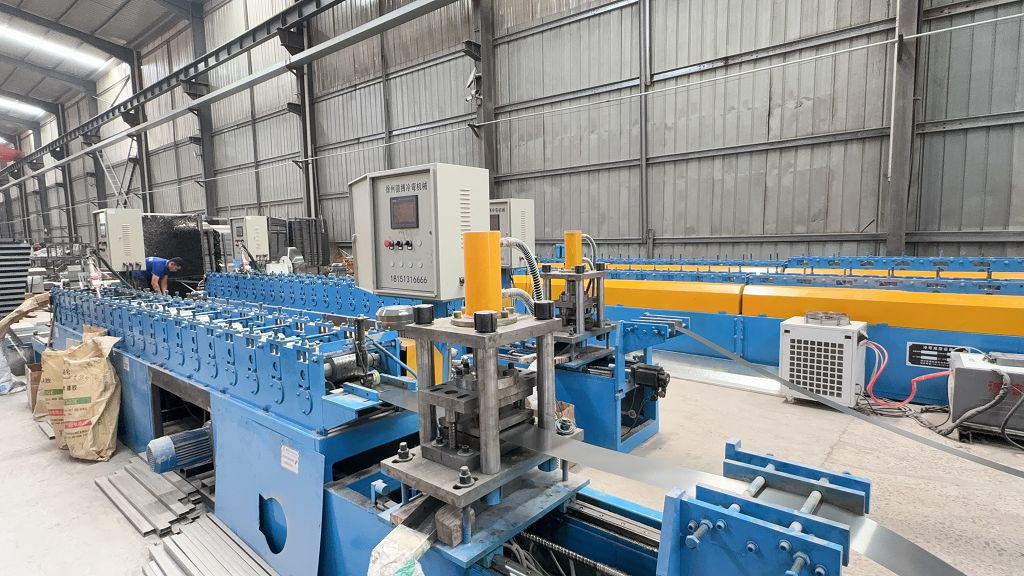
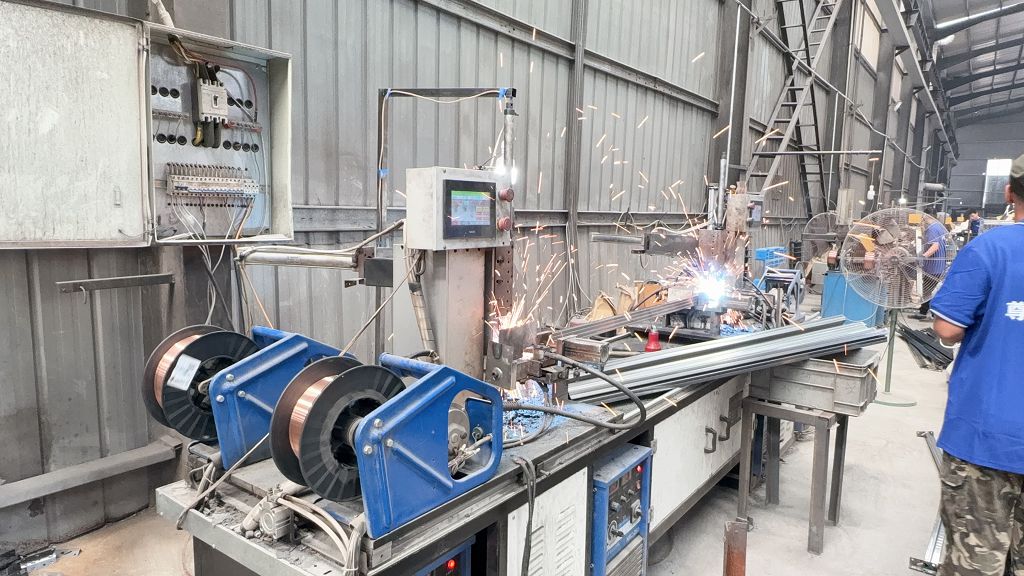
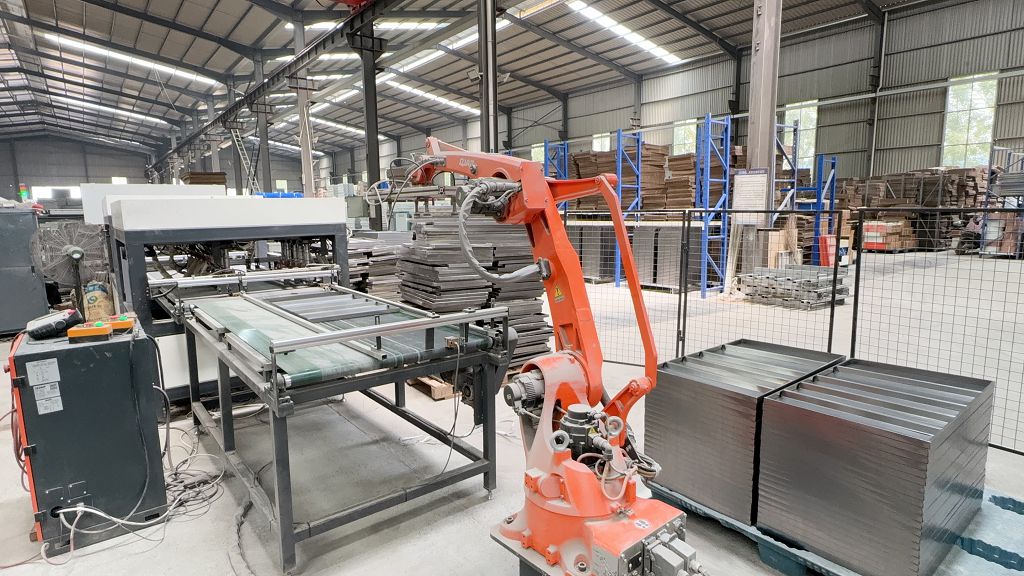
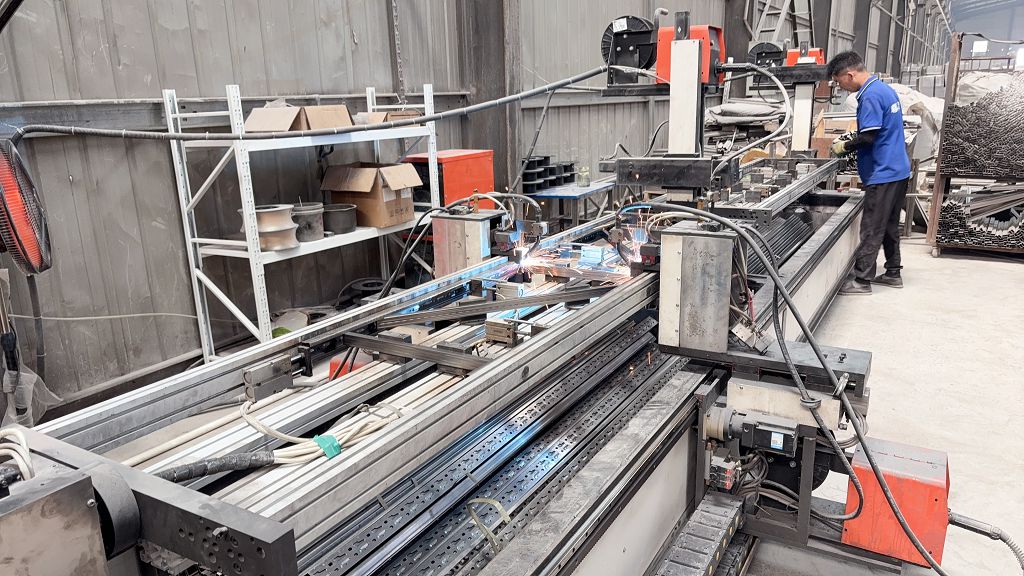
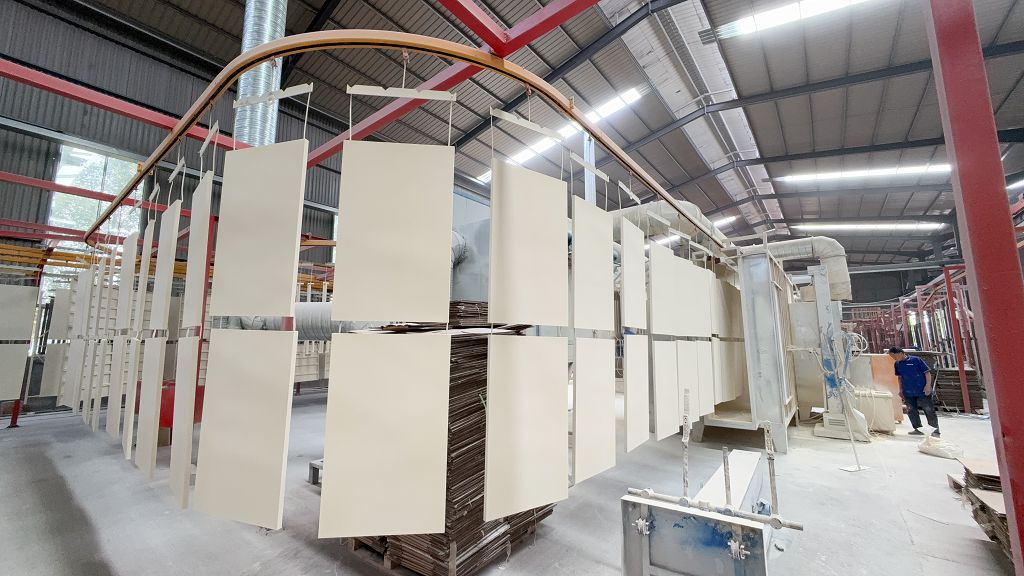
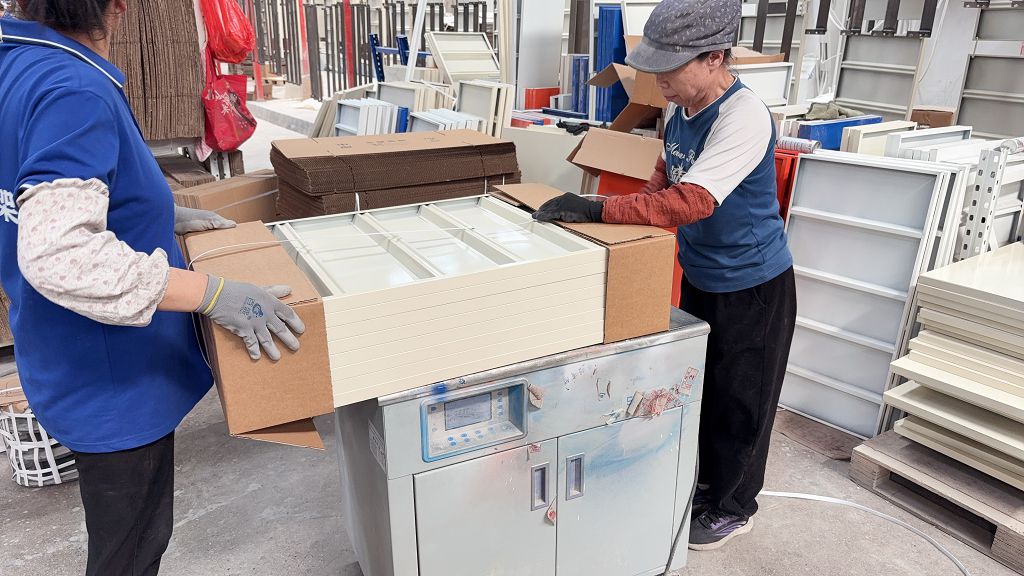
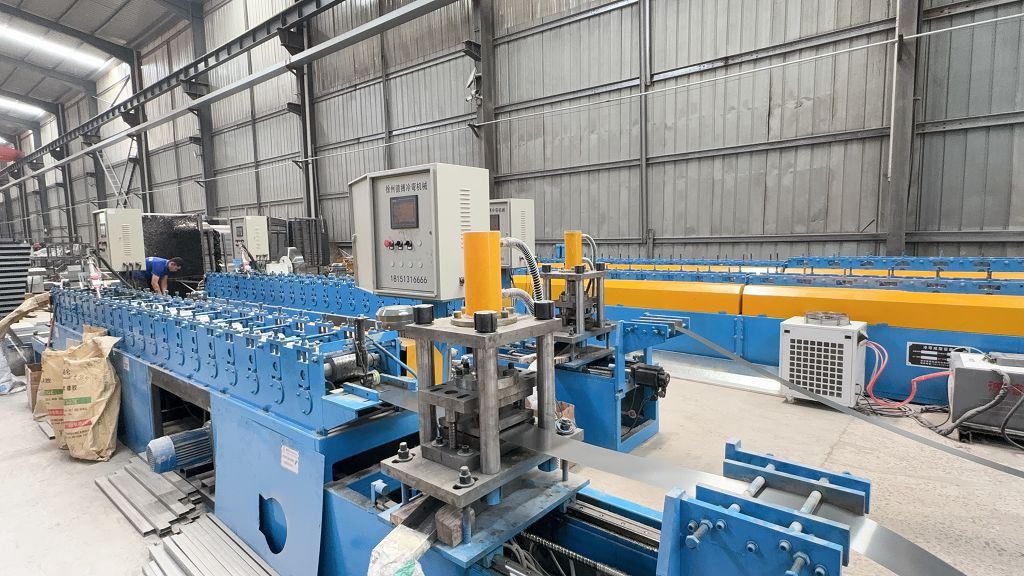
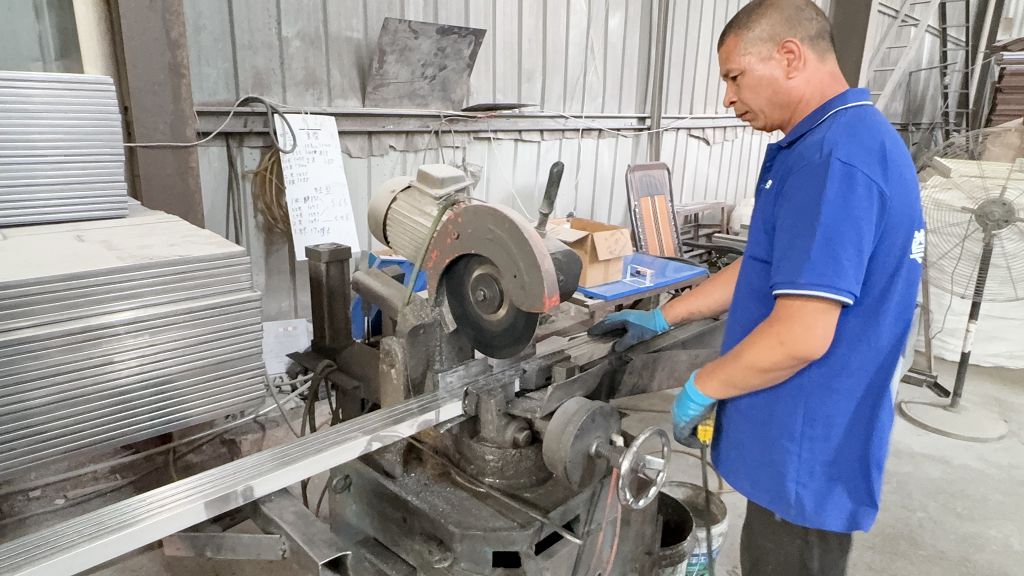
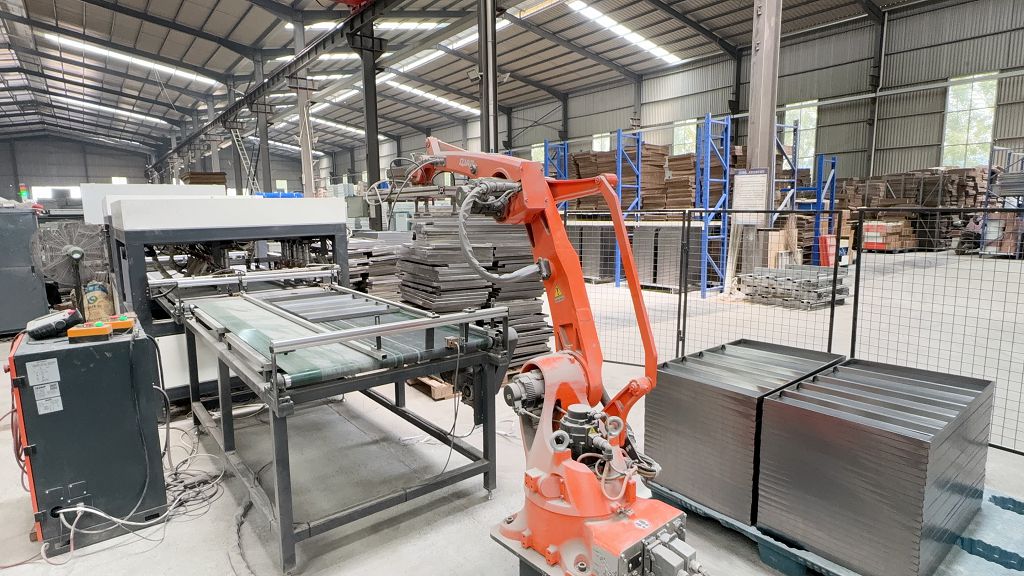
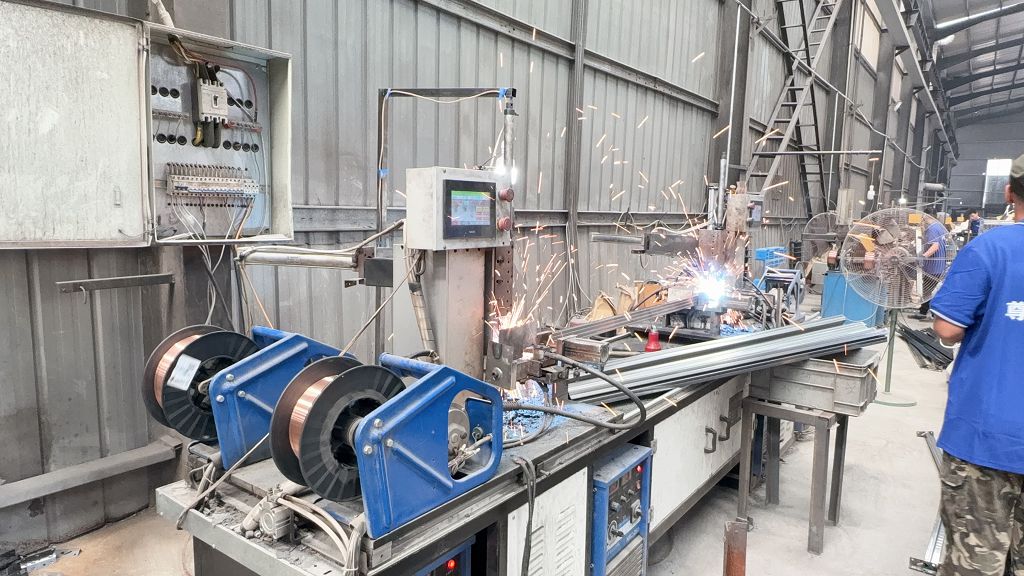
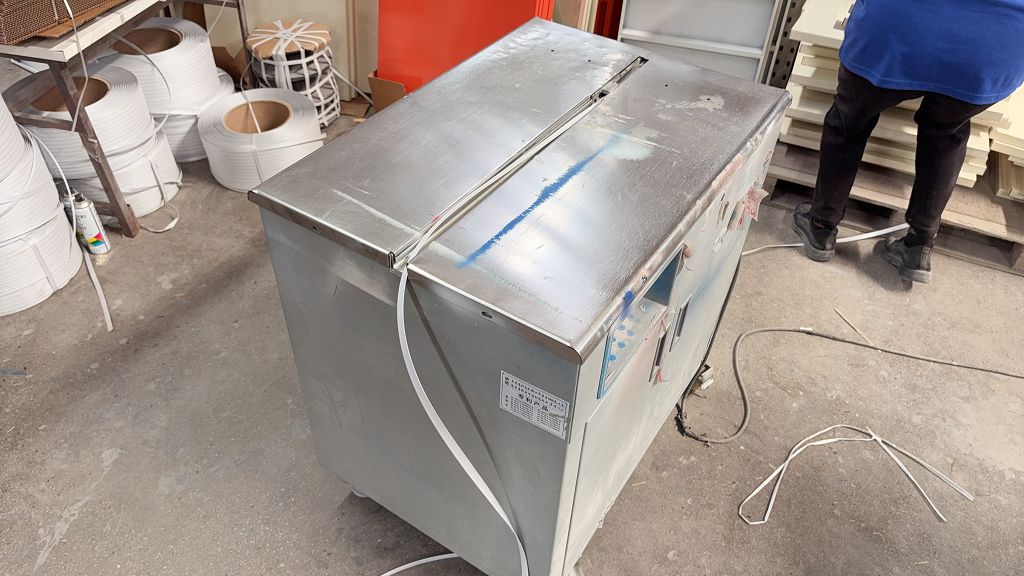
Our Quality Management System controls every phase. From the initial cold-rolling of premium steel coils through to CNC punching lines, robotic welding stations, multi-stage chemical pretreatment, electro-static thermosetting powder coating, and specialized heavy bundling, we test for structural integrity. Our advanced welding setups deliver deep-penetration weld seams that exceed standards for dynamic stress, and the automated packing sequence guarantees that all surface treatments remain unscathed during long-distance oceanic freight.
Ensuring structural compliance across EU standards, US RMI codes, and Middle Eastern mega-developments.
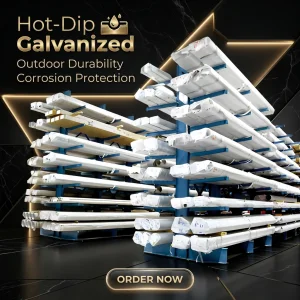
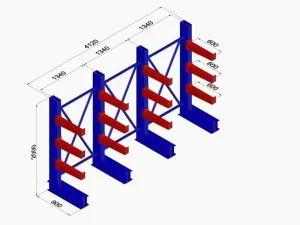
We actively support major global industrial developments. For example, our hot-dip galvanized cantilever structural racking solutions align directly with the infrastructure initiatives of Saudi Vision 2030.
These racks are engineered to withstand extreme ambient temperatures, high humidity, and desert dust, providing reliable performance in demanding environments.
We tailor our manufacturing protocols to align with local requirements:
Adapting traditional steel structures to the next generation of digital and automated logistics.
Developing high-tolerance rack profiles designed for 4-way radio shuttles, ensuring minimal deflection and high positioning accuracy for automated systems.
Transitioning to low-emission, VOC-free electrostatic powder lines that minimize environmental impact while maintaining corrosion protection.
Standardizing components to allow for quick configurations, field modifications, and easy replacement of worn components.
Answers to technical questions from warehouse planners, structural engineers, and logistics procurement managers.
We primary utilize high-strength cold-rolled steel, specifically grades Q235B and Q355B. Load capacities are calculated using Finite Element Method (FEM) software, factoring in dead loads, live loads, product dimensions, and safety factors (typically 1.5 to 2.0) in accordance with EN 15512 and RMI standards. Each upright frame profile and beam section is selected to handle its specific design load without exceeding deflection limits (such as L/240 or L/300).
Our HDG process involves immersing the fabricated steel parts in a molten zinc bath at approximately 450°C. This forms a metallurgical bond that creates a durable zinc-iron alloy coating, shielding the underlying steel from moisture, salt, and chemicals. This treatment is ideal for outdoor storage, chemical processing facilities, and cold chain environments.
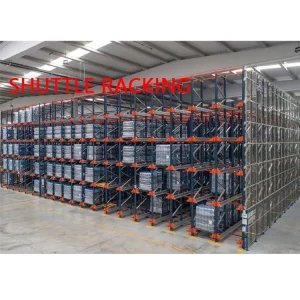
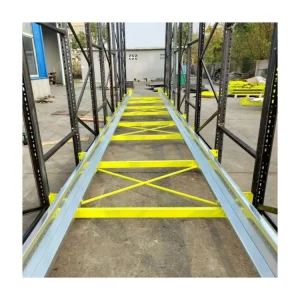
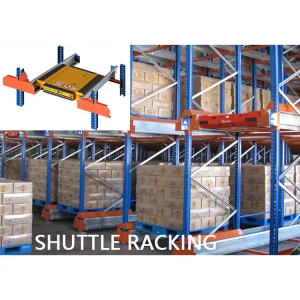
Standard pallet racking relies on direct forklift access, which requires aisles and limits storage density. In contrast, 4-way radio shuttle racking features a continuous structural grid where robotic shuttles travel along custom rails in both directions to store and retrieve pallets. This system significantly increases storage density, reduces forklift traffic, and optimizes cycle times.
Automated systems require tight geometric tolerances. For ASRS installations, upright verticality must often be within 1/1000 of the total rack height, and rail spacing must be maintained within +/- 1.5mm. Achieving these tight tolerances requires precision manufacturing, controlled welding, and careful field installation.
Yes. Standard heavy-duty racking frames can often be retrofitted by adding roller tracks, guide rails, and specialized dynamic braking systems. However, the existing upright frames and baseplates must be verified to ensure they can support the additional dynamic loads and braking forces of flowing pallets.
Custom configurations built to perform in intense industrial and high-throughput operations.
 Lush Rack