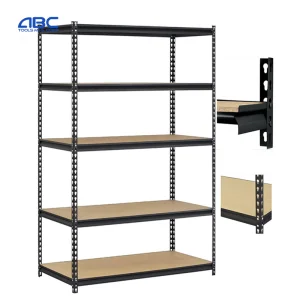
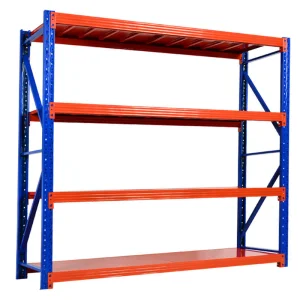
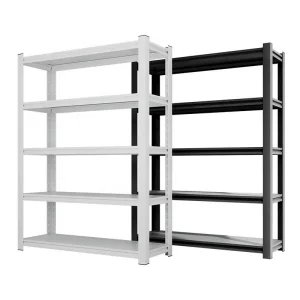
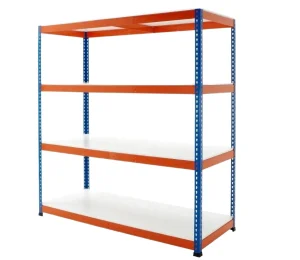
Engineered to synchronize flawlessly with high-intensity automated warehouse environments and integrated OEM industrial lighting schemes.
Analyzing the deep paradigm shift toward integrated, intelligent, and energy-efficient supply chain facility design.
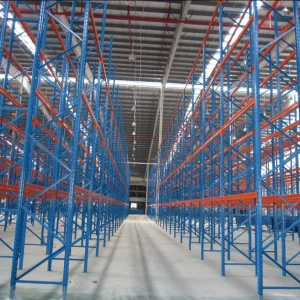
Modern distribution facilities are expanding vertically. High-bay warehouses exceeding 15 meters in height require narrow-aisle photometric profiles and heavy-duty structural racking support to guarantee both lighting consistency and physical stability.
Strict energy efficiency codes like California Title 24 and European Union ErP regulations demand that logistics hubs deploy localized high-efficacy luminaires that achieve up to 180 lm/W, integrated with occupancy sensors and daylight harvesting.
Off-the-shelf industrial lighting and racking packages fail to accommodate unique structural configurations. Factories now dictate tailor-made OEM solutions, matching luminaire distributions (e.g., asymmetric aisle optics) directly with the shelving frameworks.
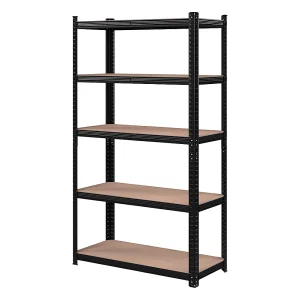
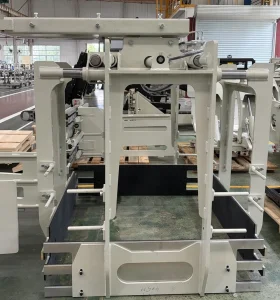
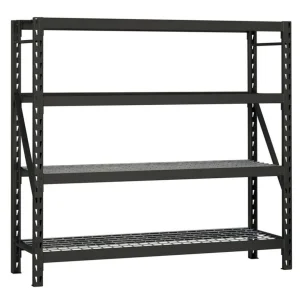
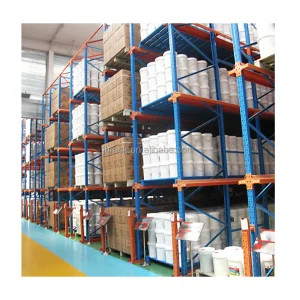
In the current industrial landscape, warehousing is no longer characterized by passive storage shelves and simple ceiling light bulbs. Today's distribution centers operate as high-velocity, automated machines. The synergy between high-density structural racking systems—such as selective pallet racks, cantilever racking, and heavy-duty mold racks—and specialized OEM industrial lighting systems is vital. Precise lighting profiles prevent worker fatigue, diminish picking errors, and ensure that optical sensors on Automated Guided Vehicles (AGVs) and robotic picking systems function flawlessly.
As leading OEM manufacturers, we engineer industrial systems that address both mechanical load demands and photometric requirements. The steel infrastructure of the warehouse must withstand extreme weight distributions, while the lighting fixtures must resist dust, moisture, and vibration. By combining these requirements into a singular design process, we deliver structures that optimize vertical space and incorporate pre-configured conduit channels, brackets, and fixtures built directly into the racking system's geometry.
A globally recognized authority in the research, design, production, and installation of heavy-duty industrial storage racks and automated warehouse systems.
Nanjing Lush Rack Co., Ltd. is a professional manufacturer specializing in industrial storage racking systems and warehouse storage solutions. The company is dedicated to the research, design, production, and installation of a full range of warehouse racks and shelving systems, providing efficient and reliable storage infrastructure for modern logistics and supply chain operations.
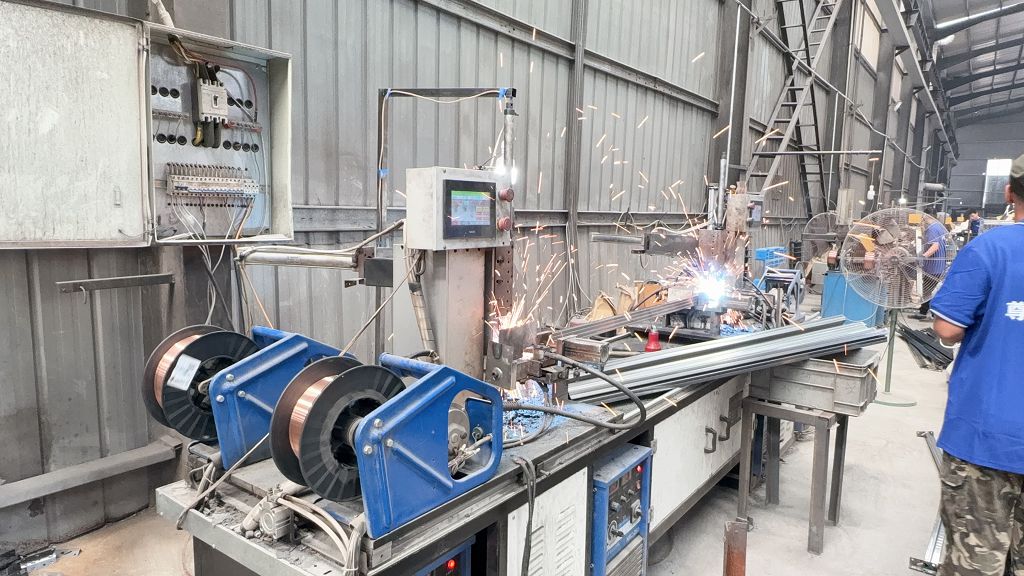
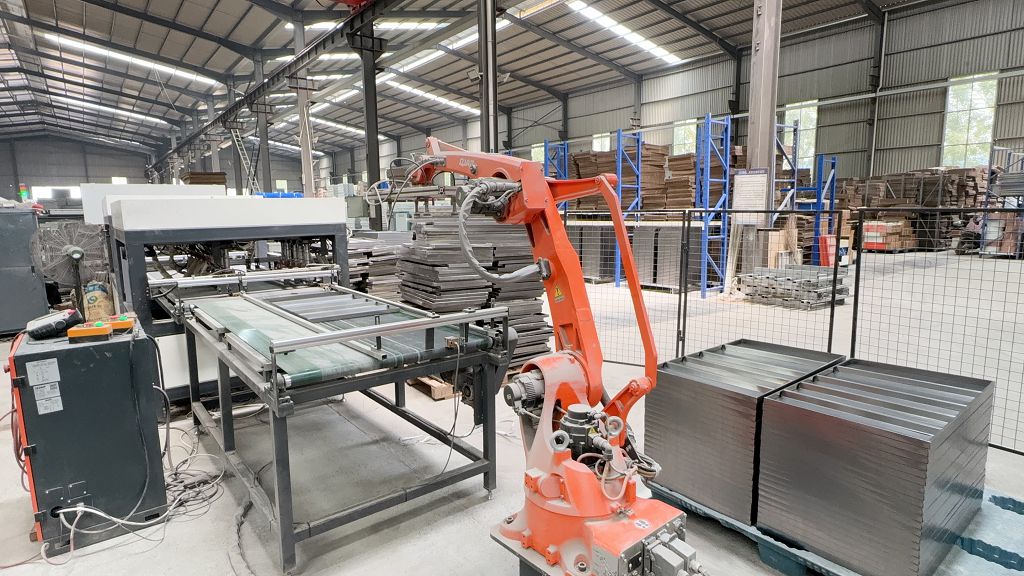
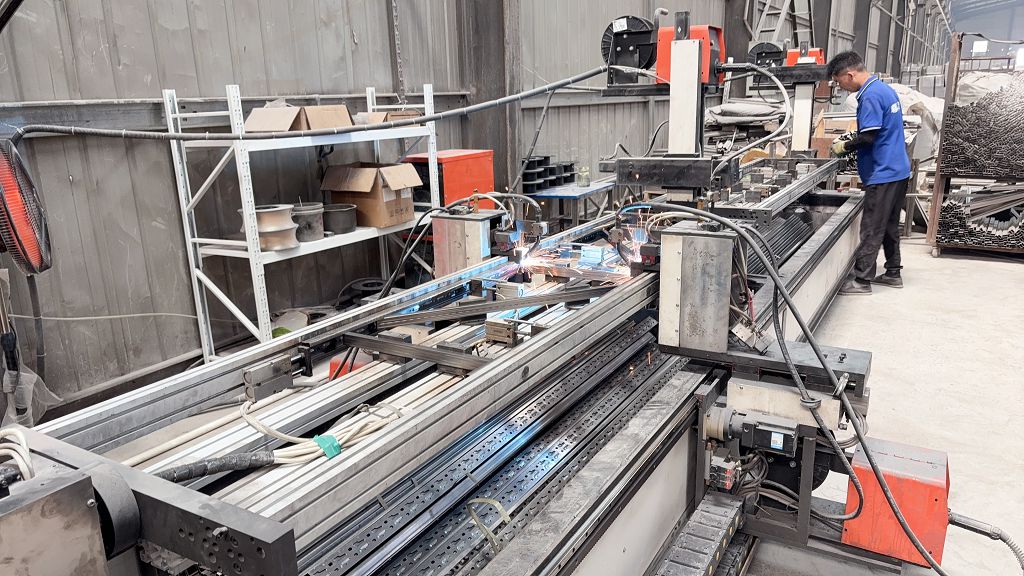
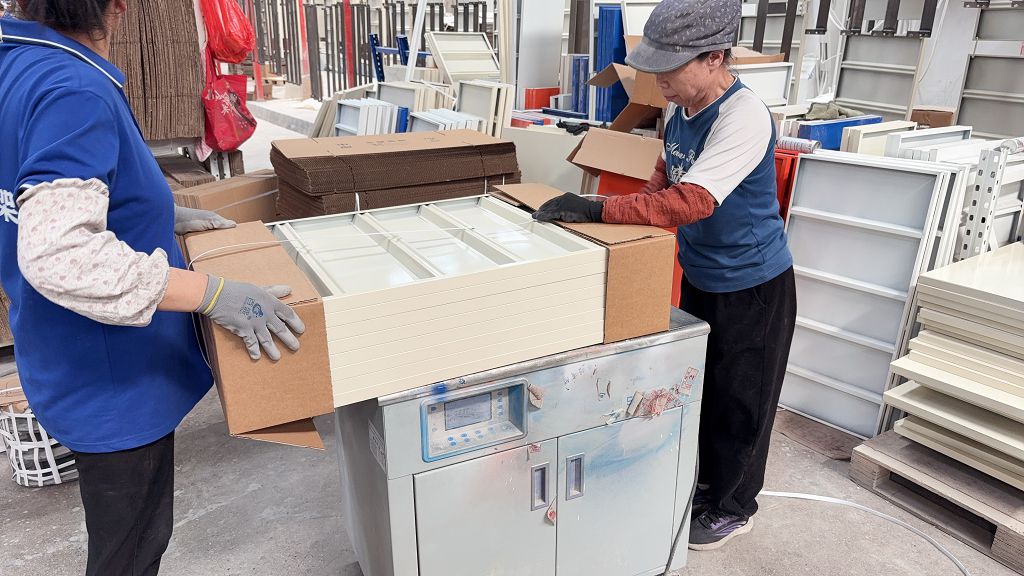
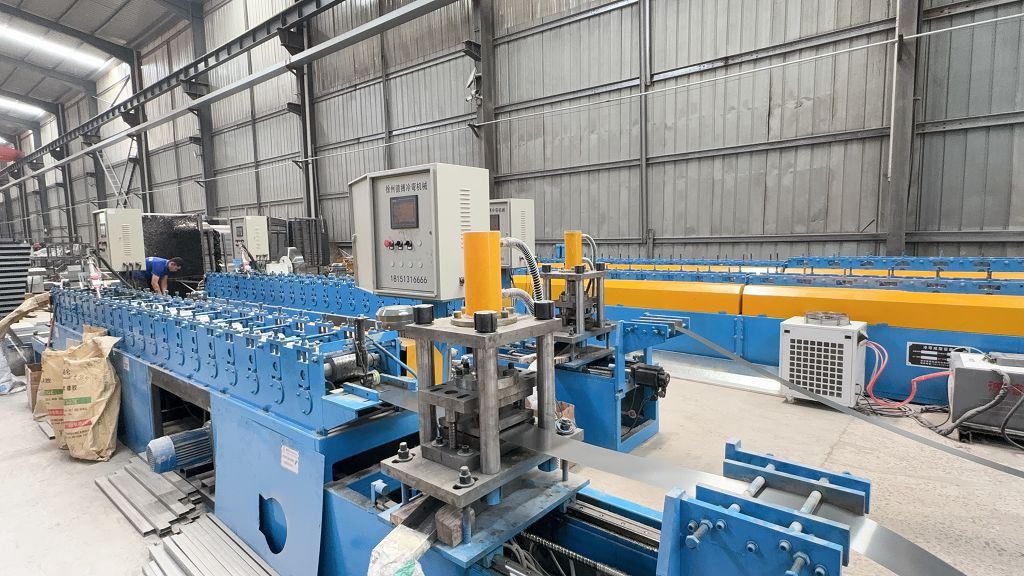
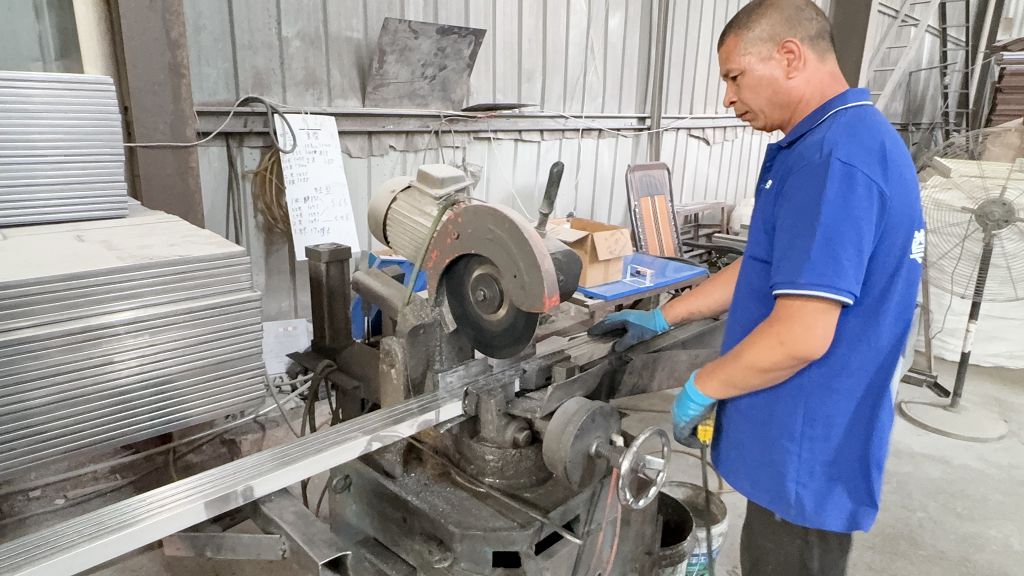
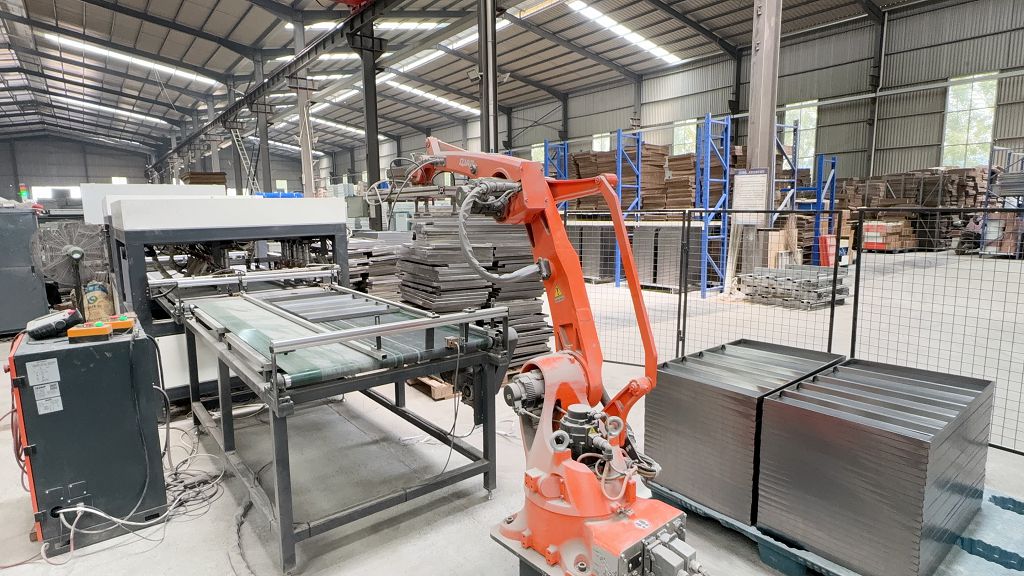
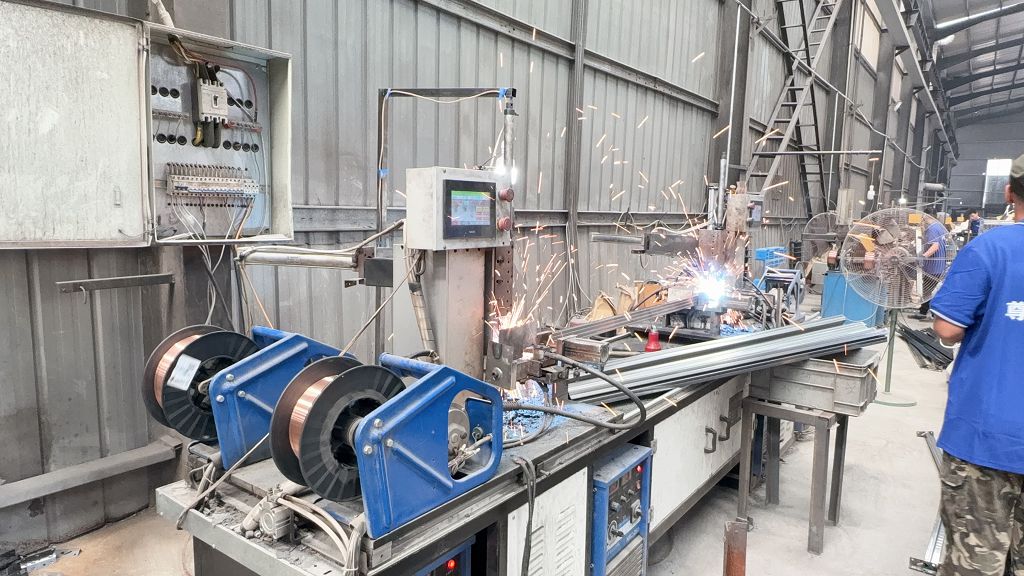
With strong engineering capabilities and advanced manufacturing equipment, Nanjing Lush Rack Co., Ltd. is able to deliver complete warehouse racking solutions from concept design and structural calculation to production, quality inspection, and installation guidance. Our engineering team works closely with clients to analyze warehouse space utilization, material flow, and load requirements, ensuring that each solution is safe, stable, and cost-effective.
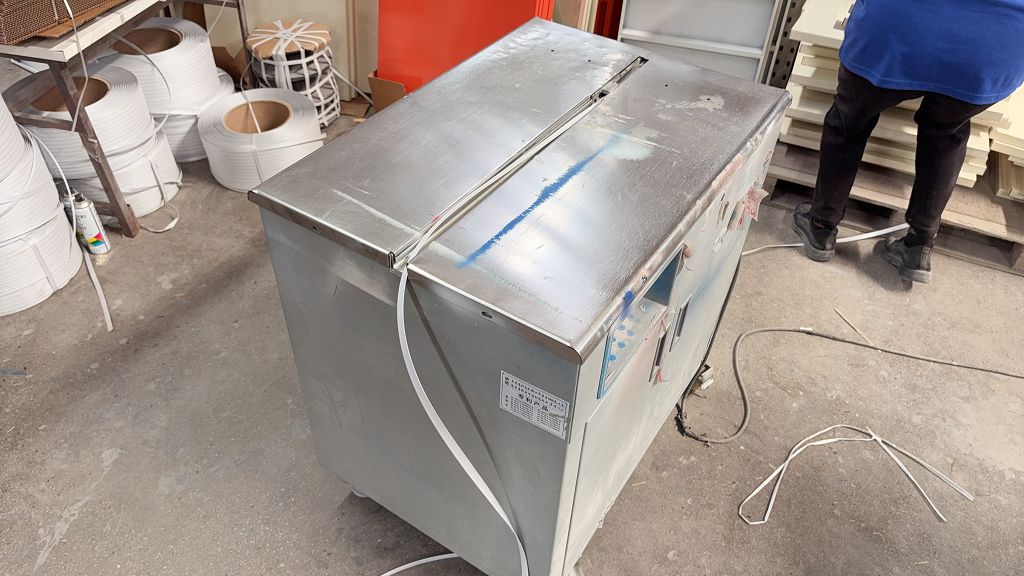
The company maintains a strict quality control system throughout the production process, from raw material selection to final product inspection. All racking systems are designed and manufactured to meet international safety and durability standards, ensuring long service life and reliable performance even under heavy industrial use.
Nanjing Lush Rack Co., Ltd. has a skilled technical team and an experienced sales department that provides responsive communication and professional support. With stable production capacity and efficient supply chain management, we are capable of handling both standard orders and large-scale customized projects with consistent quality and on-time delivery.
Our products are widely used in industries such as logistics and distribution, e-commerce fulfillment centers, manufacturing, automotive parts storage, cold chain logistics, and retail warehousing. We have established a strong customer base across domestic markets in China, and our products are also exported to Southeast Asia, Europe, North America, and other international regions.
B2B Procurement Guidelines for High-Efficiency Warehouse Illumination & Spatial Design Integration.
Achieving optimum visual clarity inside a heavy-duty industrial warehouse requires meticulous consideration of lux distribution, glare rating, and color rendering metrics. In high-density pallet rack corridors, normal isotropic downward light results in the "cave effect"—where the ceiling and the top shelves are brightly lit while the floor-level shelves remain shrouded in dark shadows.
To resolve this, our engineering experts deploy Type I and Type II linear optics that cast narrow, high-intensity light planes directly into the aisles. This reduces light spill on the sides of the racking vertical columns, focusing output where pickers and AGVs require visibility.
| Warehouse Zone | Target Lux Level (Floor) | Recommended Optic Profile | Ideal CRI | IP Rating Requirement |
|---|---|---|---|---|
| Active Rack Aisles | 200 - 300 Lux | Narrow Aisle Linear (30° x 90°) | Ra > 80 | IP65 / IP66 |
| Open Loading Bays | 300 - 450 Lux | Wide Symmetric (120°) | Ra > 80 | IP65 |
| Cold Storage Vaults | 150 - 200 Lux | Medium Symmetric (90°) | Ra > 70 | IP66 / Temp < -30°C rated |
| Automated Robot Grid | 100 Lux (Sensor Optimized) | Ultra-Wide Flood | Ra > 70 | IP54 |
Industrial LED drivers suffer thermal degradation in high-ceiling facilities where hot air rises and gathers at the ceiling. Premium OEM lighting utilizes structural aluminum extrusions as passive heat sinks, maintaining junction temperatures below 65°C to assure a L70 lifetime exceeding 100,000 hours.
Color rendering index (CRI) determines how accurately human workers identify barcode labels and color-coded materials. Implementing chips with a CRI > 80 prevents scanning errors. Combining this with unified glare ratings (UGR) below 19 safeguards forklift operators from temporary flash blindness.
High-bay installations suffer structural oscillations during loading. Lighting brackets must be seismic-certified and vibration-resistant. Nanjing Lush Rack engineers design structural beams with pre-punched utility conduits, enabling clean, robust, and safe cable routing that isolates electrical components from physical mechanical wear.
Custom-tailored racking and lighting structures built to survive the harshest manufacturing and logistic operational environments.
Cold-chain facilities present extreme challenges: temperatures down to -30°C cause severe condensation, steel embrittlement, and driver failure. We provide galvanized, corrosion-protected pallet racking systems paired with IP66-certified luminaires that warm up instantly without luminous decay. These systems reduce internal heat output, saving significant refrigeration power.
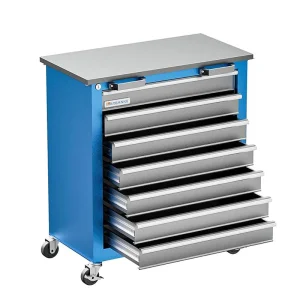
Tool and die shops operate under immense heavy-load conditions. Heavy-duty drawer mold racks must allow easy overhead crane access. Crucially, the overhead illumination must be shielded and positioned such that the metallic surfaces do not reflect high-intensity glare back into operator eyes, which could cause positioning errors.
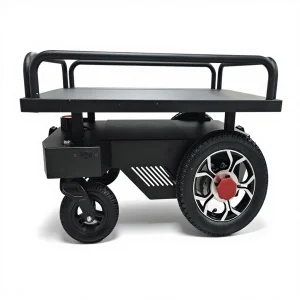
Robotic following trolleys and automated picking setups rely on a combination of visual markers, cameras, and LIDAR sensors. Lighting must remain perfectly stable without flicker (low ripple factor < 1%), which can confuse camera systems. The accompanying boltless and cantilever storage racking structures must be built to extreme alignment tolerances to allow robots to traverse safely.
In-depth, engineering-grade answers regarding warehouse mechanical design, seismic codes, and optical standards.
Racking width and height define the aspect ratio of the aisle space. High, narrow aisles require highly focused, asymmetric light beams (like 30° x 90°). If wide-angle luminaires are utilized, up to 40% of the light output is blocked by the upper shelves, resulting in insufficient floor-level foot-candles. Photometric simulations must model structural racking frames to calculate precise light loss factors (LLF).
Racking systems must comply with local seismic standards, such as RMI (Rack Manufacturers Institute) in the US and FEM 10.2.02 in Europe. Calculations must account for dynamic forces during an earthquake, requiring thicker steel columns, larger footplates, and dual-anchorage systems. The attached cabling and lighting structures must also utilize flexible connectors to prevent structural stress fractures under oscillation.
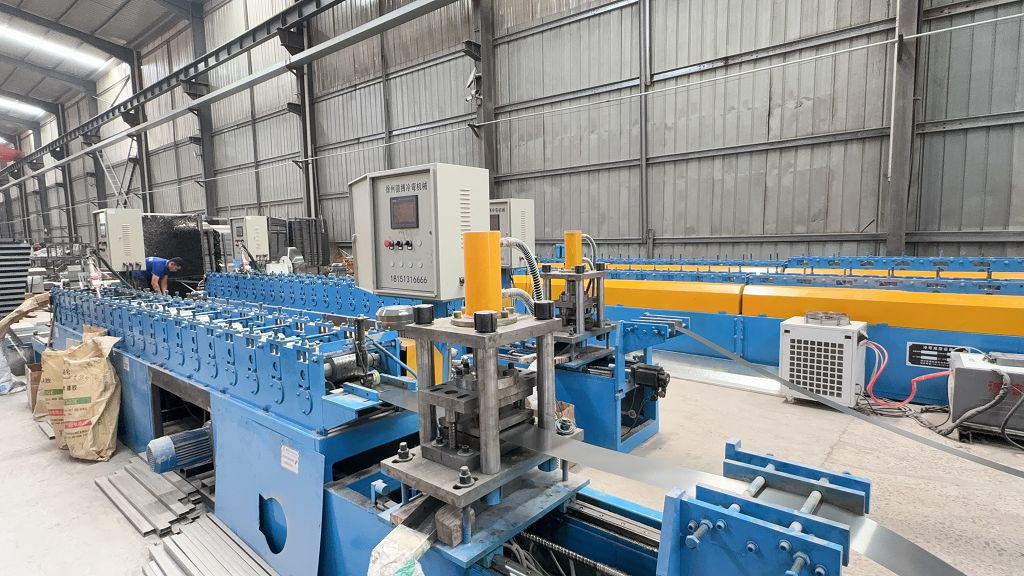
Cold-rolled steel undergoes a processing method at room temperature, which increases its yield strength and tensile durability compared to hot-rolled steel. This allows Nanjing Lush Rack to manufacture lightweight, thin-profile components that achieve extreme load ratings (such as 3000kg per level on pallet racks), reducing structural mass and floor dead-load.
By deploying motion and light sensors that connect directly to a centralized warehouse management system (WMS), fixtures in inactive aisles can dim to 10% capacity. When a picker or automated trolley enters the aisle, the lighting ramps up smoothly. This "light-on-demand" approach cuts overall power consumption by up to 70% and extends luminaire driver lifespan.
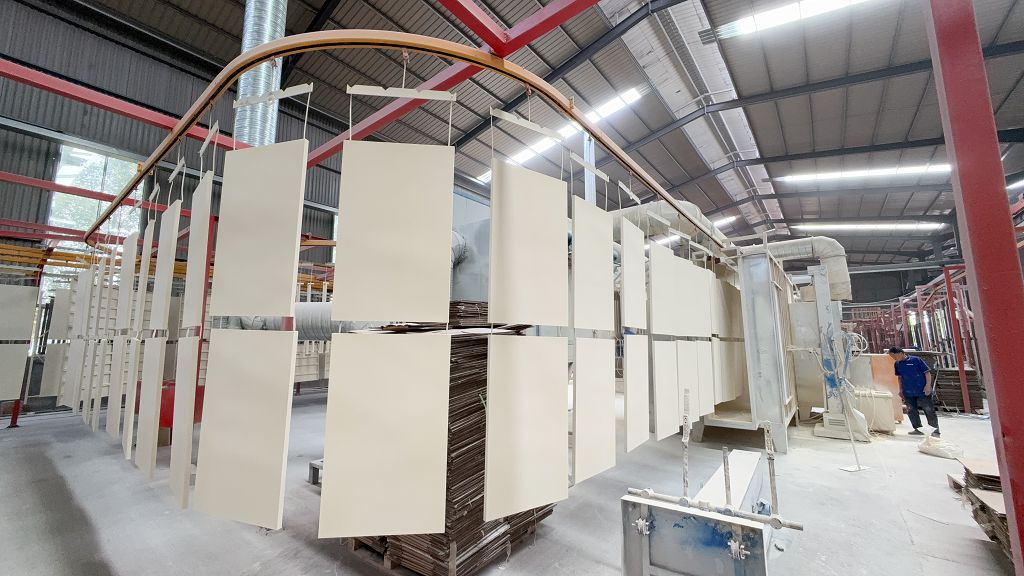
For humid or cold environments, standard paint is prone to peeling. We use advanced thermosetting epoxy powder coatings or hot-dip galvanization. The powder coat layer is electrostatically applied and cured under heat to form a dense, chemical-resistant barrier. Hot-dip galvanizing provides sacrificial zinc protection, making it the premier option for high-humidity or chemical storage facilities.
Premium solutions designed, manufactured, and quality-tested to integrate seamlessly with your OEM logistics facility infrastructure.
 Lush Rack