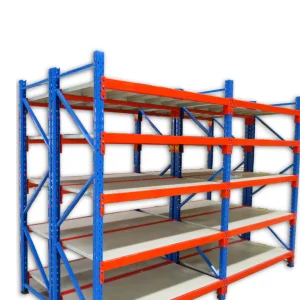
Top 10 Back-to-Back Pallet Racking Manufacturers & Suppliers

The Definitive Industrial Whitepaper on Double-Row Warehouse Storage Systems, Structural Safety Engineering, and Global Enterprise Procurement Frameworks.

Industrial Insight & Guide

Structural Analysis & Selection Principles of Back-to-Back Pallet Racking

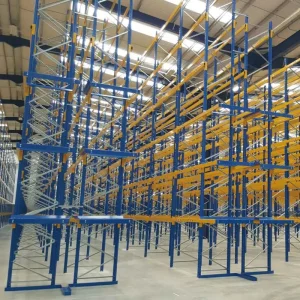
Modern supply chains and industrial logistics centers are facing unprecedented pressure to maximize volumetric utilization while maintaining strict throughput speeds and safety protocols. Within this framework, Back-to-Back Pallet Racking (also known as double-row racking or standard selective racking configured in back-to-back configurations) has emerged as the baseline storage design for warehouses globally. By placing two single rows of racks back-to-back, connected by engineered row spacers, facility designers eliminate one aisle for every two rows, saving up to 20-30% of floor space compared to single-row configurations.

This whitepaper offers deep engineering analyses of back-to-back pallet racking systems, evaluates the global manufacturer landscape, defines the procurement metrics critical to high-volume corporate buyers, and showcases the state-of-the-art manufacturing processes behind high-reliability racking structures.

30%
Space Efficiency Gain
Q355B
Premium High-Strength Steel
1.5+
RMI Safety Factor
100%
Direct SKU Accessibility

Understanding the Physics: Structural Elements of Back-to-Back Racking

A back-to-back racking layout is not simply two standalone racks pushed against one another. It is a unified structural system designed to withstand vertical load distributions, seismic shear forces, and lift-truck impacts. The foundational engineering elements include:

  • Row Spacers: Steel links bolted between upright frames. These maintain a constant spacer gap (normally 200mm to 300mm) which allows for overhanging pallets and fire protection sprinkler pipes. They act as transverse tie-members, converting individual frame structures into a wider, more stable dual-upright frame network.
  • Frame Deflection & Upright Profiles: Modern racks utilize roll-formed steel profiles with various bend geometries (typically 9 to 13 bends). Every bend acts as a stiffening point against torsional buckling under vertical stress.
  • Baseplates & Anchor Bolts: Heavy-duty, seismically-rated baseplates transfer columns' axial forces to the concrete slab. Standard practice requires at least two anchor bolts per column to secure structural integrity in industrial environments.

Enterprise Procurement Criteria & TCO Optimization

Corporate procurement teams looking to deploy large-scale storage systems must look beyond the initial purchase price of racking components. Total Cost of Ownership (TCO) analysis requires a focus on structural resilience, modular scalability, and localized installation compliances.

01 / Steel Grade

Raw Material Certifications

Verify that components use certified structural steel (such as Q235B, Q355B, or Grade 50 steel) with mill certificates showing tensile and yield strength configurations to prevent micro-fissure structural fatigue.

02 / Finishing

Powder Coating & Galvanization

Cold chain and humid warehouses require high-durability hot-dip galvanized coating or electrostatic powder coating with a thickness of at least 60-80 microns to prevent rust and chemical corrosion.

03 / Engineering

Seismic Design Calculations

Racking configurations must be structurally engineered using Finite Element Analysis (FEA) to ensure safety against local seismic zone rating requirements (e.g., FEMA 460 or AS4084 regulations).

Global Manufacturing Excellence

Nanjing Lush Rack Co., Ltd.

Nanjing Lush Rack Co., Ltd. is a professional manufacturer specializing in industrial storage racking systems and warehouse storage solutions. The company is dedicated to the research, design, production, and installation of a full range of warehouse racks and shelving systems, providing efficient and reliable storage infrastructure for modern logistics and supply chain operations.

With strong engineering capabilities and advanced manufacturing equipment, Nanjing Lush Rack Co., Ltd. is able to deliver complete warehouse racking solutions from concept design and structural calculation to production, quality inspection, and installation guidance. Our engineering team works closely with clients to analyze warehouse space utilization, material flow, and load requirements, ensuring that each solution is safe, stable, and cost-effective.

The company maintains a strict quality control system throughout the production process, from raw material selection to final product inspection. All racking systems are designed and manufactured to meet international safety and durability standards, ensuring long service life and reliable performance even under heavy industrial use.

Nanjing Lush Rack Co., Ltd. has a skilled technical team and an experienced sales department that provides responsive communication and professional support. With stable production capacity and efficient supply chain management, we are capable of handling both standard orders and large-scale customized projects with consistent quality and on-time delivery.

Our products are widely used in industries such as logistics and distribution, e-commerce fulfillment centers, manufacturing, automotive parts storage, cold chain logistics, and retail warehousing. We have established a strong customer base across domestic markets in China, and our products are also exported to Southeast Asia, Europe, North America, and other international regions.

As a trusted partner in warehouse storage solutions, Nanjing Lush Rack Co., Ltd. is committed to delivering high-quality racking systems, innovative storage concepts, and long-term value for our customers. We continue to focus on improving warehouse efficiency, reducing operational costs, and supporting the development of modern intelligent logistics systems.

Advanced Manufacturing Facilities & Precision Engineering

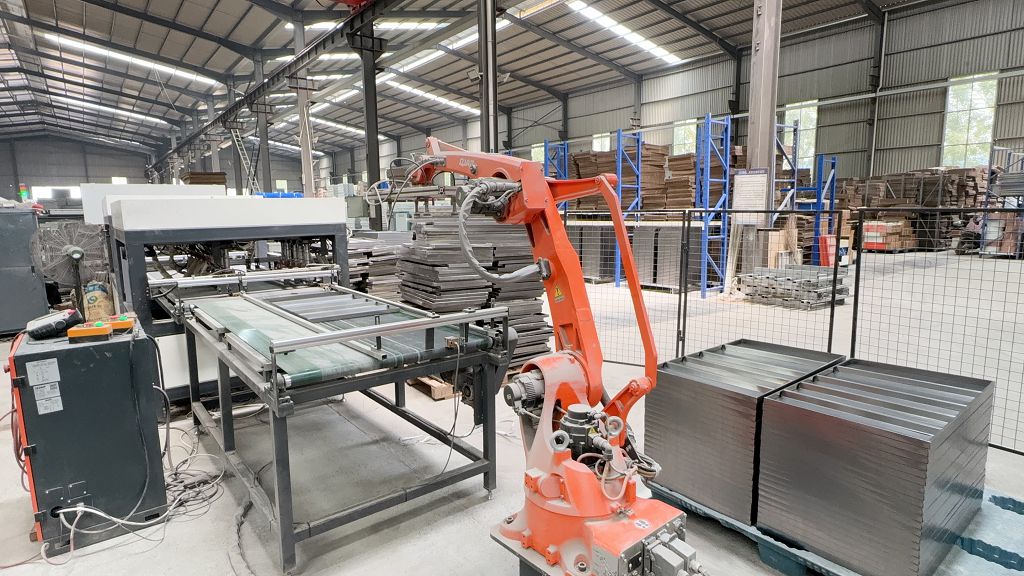
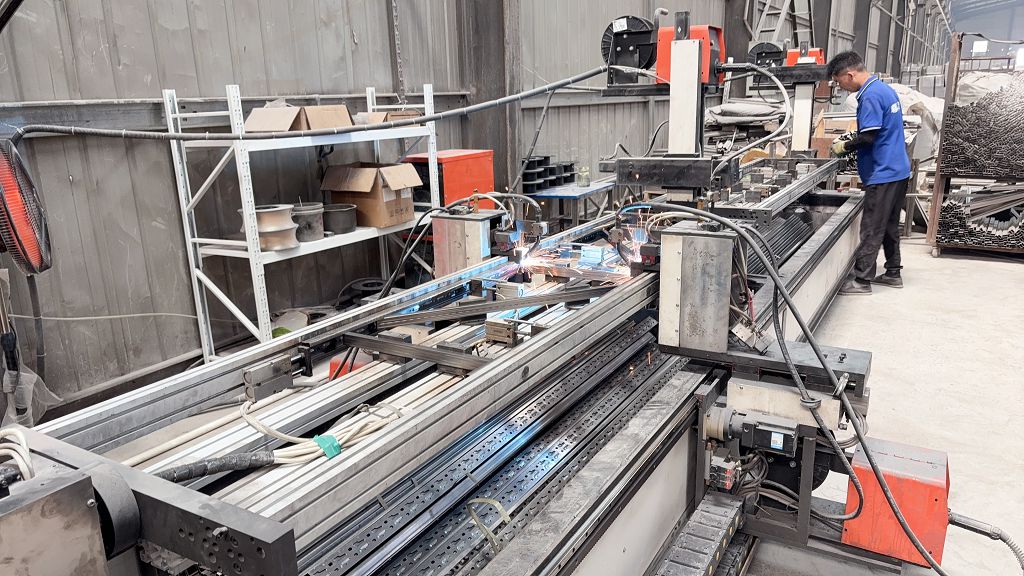
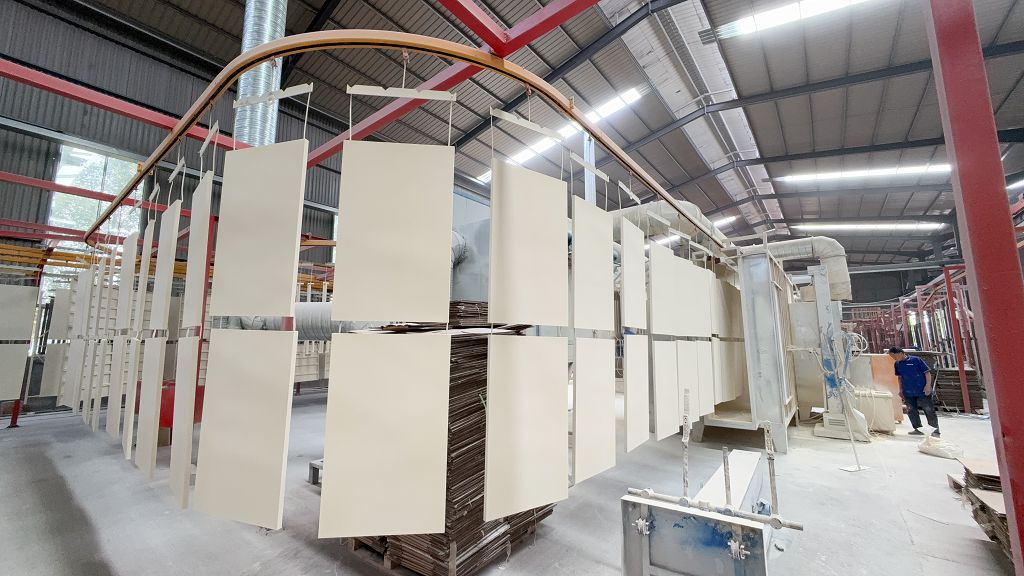
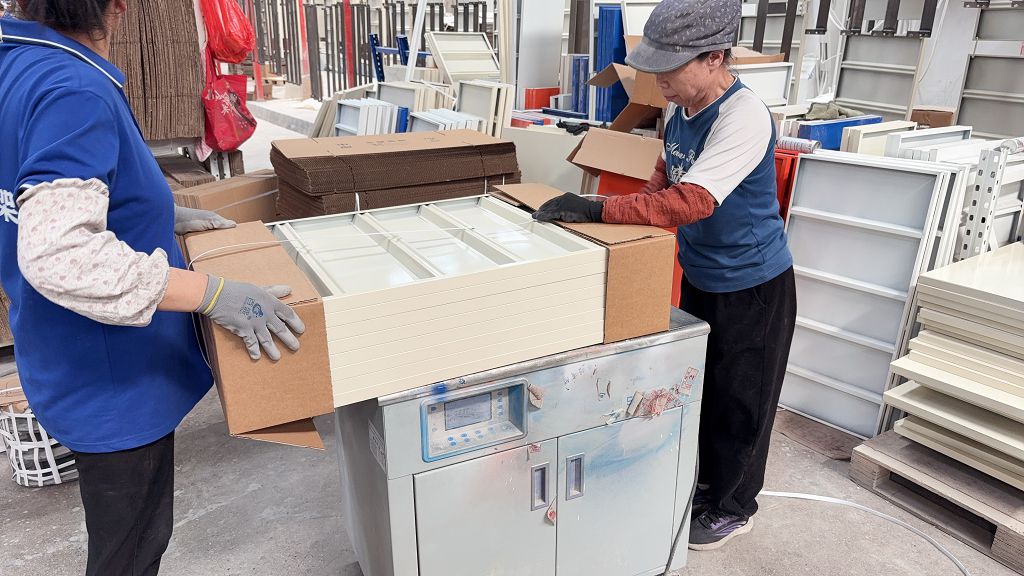
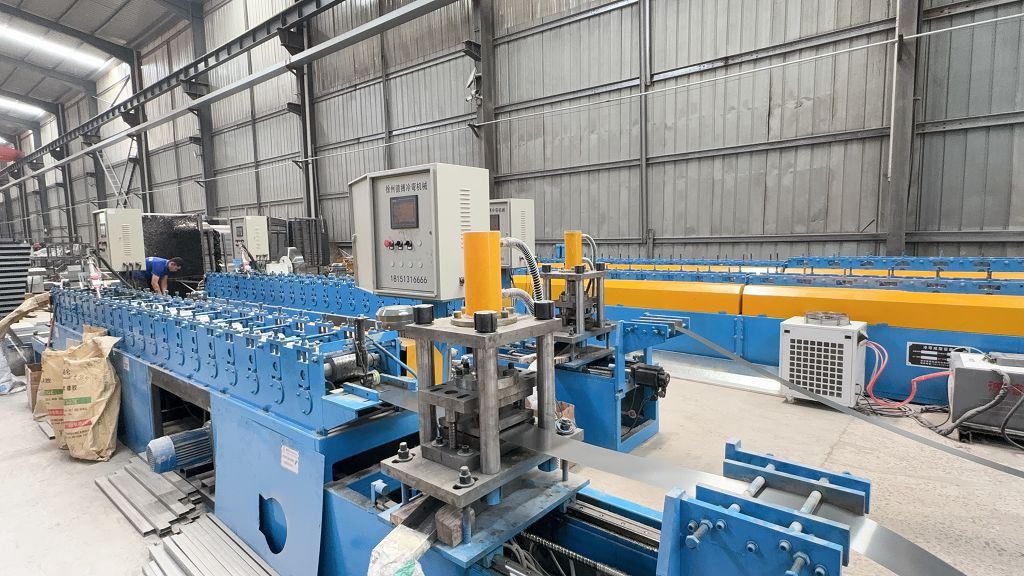
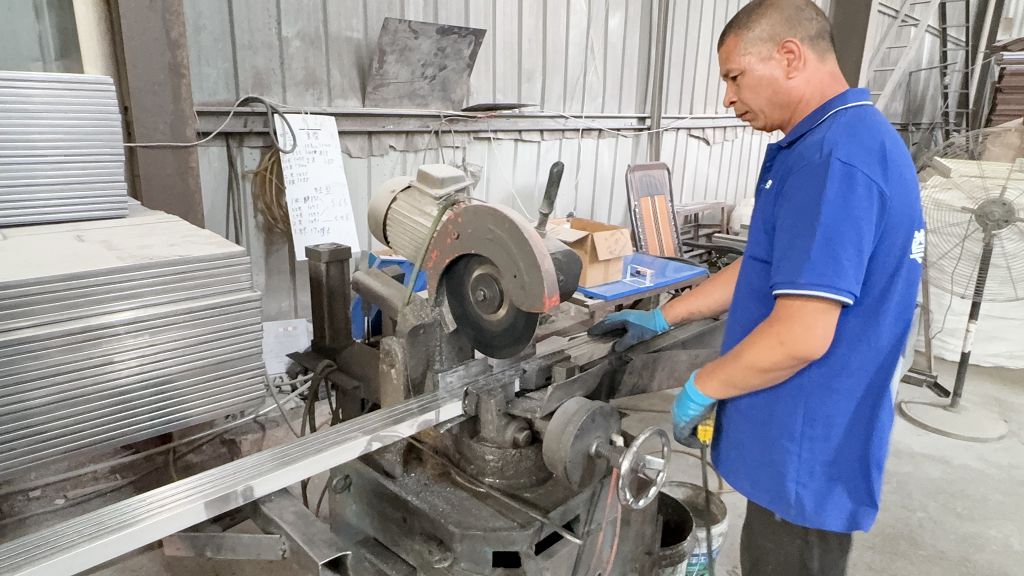
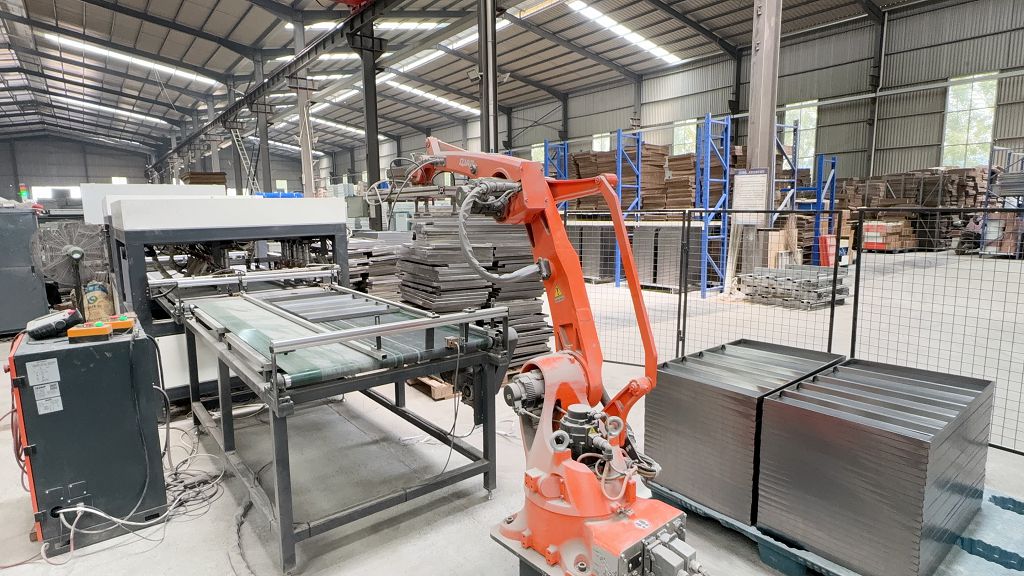
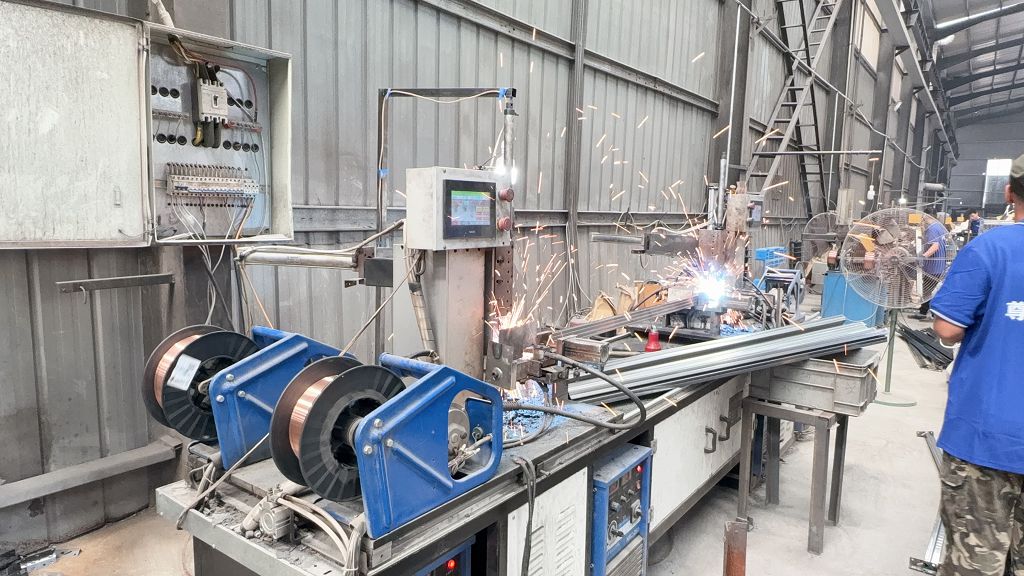
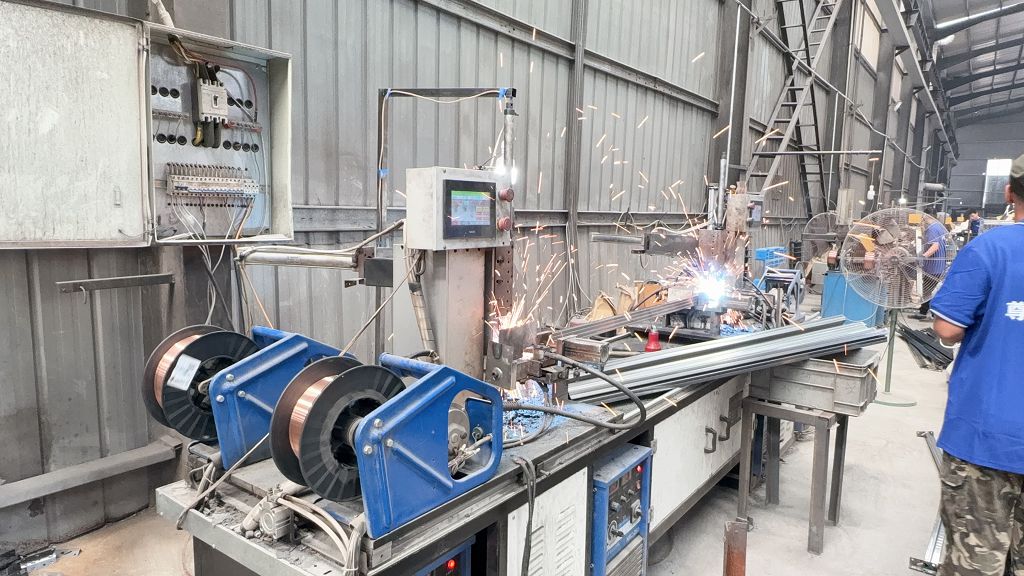
The reliability of a back-to-back racking project is decided on the production floor. Nanjing Lush Rack utilizes automated fabrication technology, high-precision robotic welding, and a state-of-the-art continuous powder coating line to ensure every component adheres to strict quality metrics.
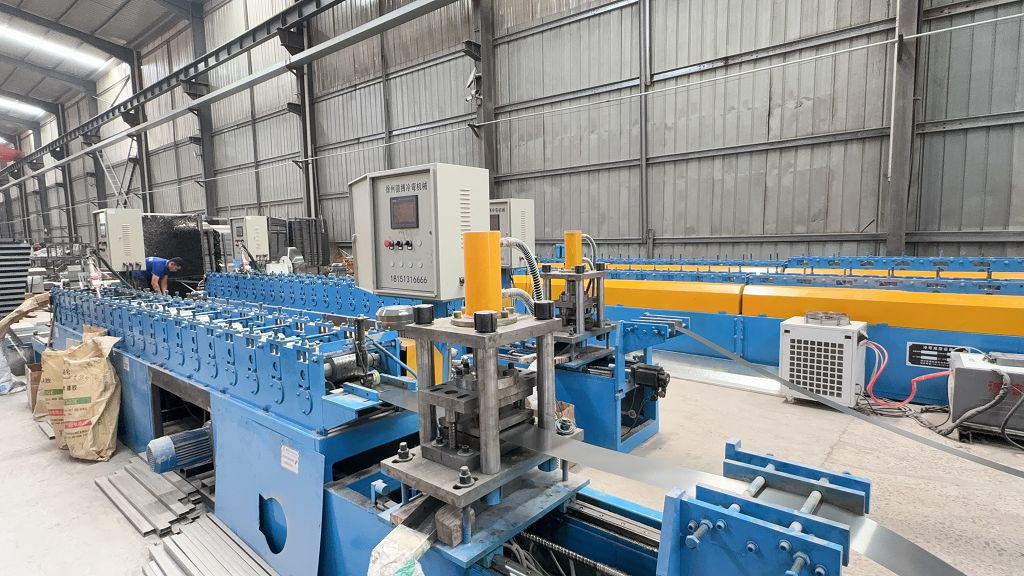
Cutting Process
Precision Cutting
Welding of the Crossbeam
Plate Welding
Plate Welding
Column Welding
Column Welding
Painting Process
Painting Process
Packing Process
Packing Process
Automatic Cutting Machine
Cutting Machine
Cutting Machine
Automatic Welding Machine
Welding Machine
Welding Machine
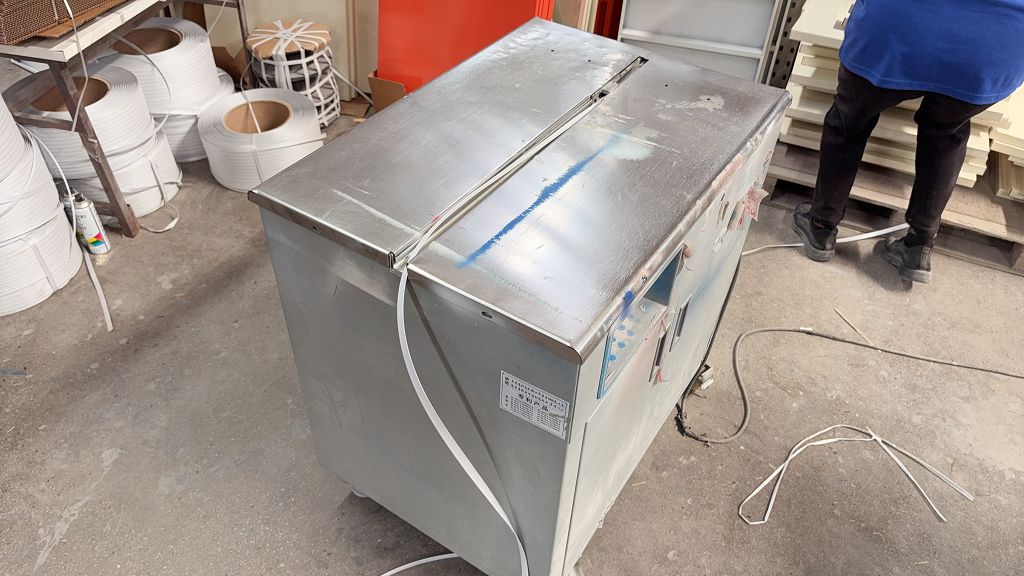
Packing Machine
Packing Machine

Top 10 Global Racking Manufacturers & Suppliers Evaluation Matrix

When selecting a supplier for large industrial storage rollouts, engineering standards, manufacturing scale, and regional installation support are the ultimate differentiators. Below is the market assessment for the top 10 global manufacturers specializing in heavy-duty racking configurations:

  1. Nanjing Lush Rack Co., Ltd. (China): An industry-leading manufacturer noted for customizable heavy-duty warehousing systems, high-quality automated welding lines, and rigorous ISO and RMI compliance. Ideal for global distribution centers looking for balance in pricing and premium engineering.
  2. Interlake Mecalux (USA/Spain): Prominent player with extensive global distribution. Noted for high-end warehouse management software integrations and automated storage systems (ASRS) engineering.
  3. Dexion Group (Norway/Europe): Pioneers in structural cold-rolled steel designs, complying heavily with European FEM standards. Outstanding modular structural designs.
  4. SSI SCHAEFER (Germany): High-density intralogistics system experts. Recognized for advanced warehouse solutions, automated shuttle racks, and premium racking materials.
  5. Stow Group (Belgium): Known for structural strength innovations in heavy-duty racking, catering to high-load sectors and automation integrations across EMEA.
  6. Ridg-U-Rak (USA): A major American brand specializing in structural and roll-formed racking, with superior hook-and-slot connection patterns.
  7. Apex Racking (UK): High-safety structural pallet systems with localized UK compliance, ideal for bespoke warehouse integrations and distribution projects.
  8. Jungheinrich AG (Germany): A leading intralogistics provider offering seamlessly integrated warehouse trucks, ASRS setups, and heavy-duty steel pallet racks.
  9. Daifuku (Japan): The global leader in material handling systems, integrating automated storage and retrieval systems with specialized structural rack units.
  10. Frazier Industrial Company (USA): Specialized in 100% hot-rolled structural steel racking configurations, recognized for high seismic resistance and impact durability.

Macro Industry Solutions & Vertical Deployment Case Studies

Standard selective systems can be tailored across industrial verticals. Here is how back-to-back configurations resolve sector-specific operational bottlenecks:

  • Cold Chain Logistics: Cold storage facilities suffer from high thermal energy costs. Back-to-back setups maximize storage density, minimizing the volume of air requiring refrigeration. Combined with high-durability hot-dip galvanized components, the racks withstand structural embrittlement at sub-zero temperatures.
  • E-commerce Fulfillment Centers: Speed is the primary metric. Unlike drive-in racking which restricts SKU access, back-to-back racking provides 100% selectivity. Combined with picking tunnels, pick-to-light arrays, and AMR (Autonomous Mobile Robot) zones, this layout keeps order fulfillment cycle times minimal.
  • Automotive and Heavy Parts Manufacturing: Heavy-duty tool components require high load-bearing structures. Configured with structural steel step-beams, wire mesh decking, and heavy column guards, the systems prevent collapse from accidental forklift impact during load changes.

Technology Roadmap & Future Outlook (2025 - 2030)

The warehousing sector is undergoing a shift toward high-degree automation and smart data. Pallet racking is evolving from passive steel structures to intelligent, active infrastructure nodes:

IoT Stress-Sensor Integrations

Smart uprights embedded with piezoelectric sensors detect real-time strain, material fatigue, and structural deflections, alerting facility managers of overloads or collisions before a collapse occurs.

Seismic Dampening Innovations

Adoption of baseplates featuring integrated seismic-dampening systems reduces kinetic forces transmitted during earthquakes, keeping structural damage to a minimum.

Eco-Friendly Coatings & Carbon-Neutral Steel

Racking manufacturers are shifting toward raw materials processed through low-carbon electric arc furnaces and zero-VOC powder coatings to satisfy corporate ESG targets.

Regulatory Compliance & International Standards

Industrial structural integrity is critical. A failure in design compliance can lead to system failures, high liability exposure, and operational shutdown. Ensure your supplier complies with these international safety authorities:

RMI (Rack Manufacturers Institute)

The governing standard for roll-formed industrial steel storage racks in North America, enforcing load testing, buckling limits, and safety factors.

EN 15512 (European Standard)

Details structural analysis calculations, testing methodologies, and safety tolerances for steel selective pallet racking installations across Europe.

AS 4084 (Australian Standard)

Mandates structural safety and maintenance regulations, including annual checks for mechanical deformation, corrosion, and plumbness deviations.

ISO 9001 & CE Certification

Guarantees consistent manufacturing processes, raw steel traceability, weld penetration tests, and QA documentation during shipment production.
Support & FAQ

Frequently Asked Questions

What is the optimal spacing between rows in a back-to-back pallet rack system?
Typically, the row spacer length ranges between 200mm and 300mm. This distance ensures a buffer for pallet overhang (usually 50-100mm per side) and accommodates in-rack fire suppression sprinkler pipes as mandated by local building codes and safety regulations.
What is the difference between Q235B and Q355B steel in racking manufacturing?
Q235B steel is a standard carbon steel widely used for low-to-medium-load rack components. Q355B is a low-alloy, high-strength steel with higher yield and tensile capabilities. Using Q355B allows manufacturers to fabricate racking parts that support heavier loads without requiring excessively thick steel walls.
How often should back-to-back racking systems undergo safety inspections?
Under international standards such as EN 15635 and AS 4084, racking systems require visual safety inspections weekly or monthly, with a formal, certified inspection carried out by qualified structural engineers at least once every 12 months. Any structural damage to columns or beams must be addressed immediately.
Can standard Selective Pallet Racking be converted to Back-to-Back racking?
Yes. Standard selective racking rows can be placed together in a back-to-back layout, provided they are aligned and connected using certified row spacers. Structural engineers must evaluate structural calculations to ensure the slab load capacity and anchoring configuration remain safe.