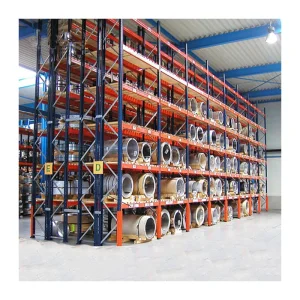
Precision-engineered configurations optimized for high density, seismic stability, and modern intralogistics throughput.
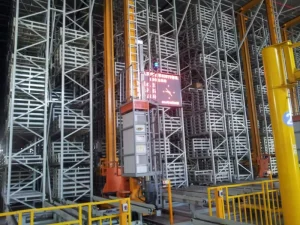
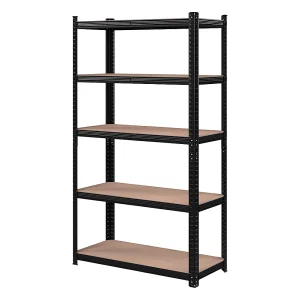
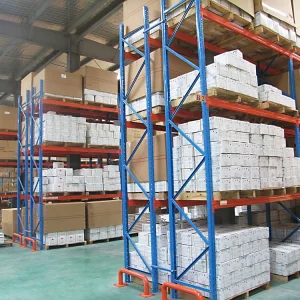
In the modern era of automated, high-velocity distribution, Freight Handling Equipment serves as the fundamental cornerstone of global logistics architecture. Organizations globally are faced with escalating warehouse land prices, labor constraints, and complex regulatory frameworks. To counter these friction points, high-density, smart racking frameworks are no longer optional—they are imperative.
As an established OEM/ODM Freight Handling Equipment Supplier & Exporter, Nanjing Lush Rack Co., Ltd. approaches material handling from a systemic perspective. We combine metallurgy, mechanical structural modeling, and custom manufacturing capability to formulate robust supply chain configurations that significantly improve warehouse floor efficiency while meeting stringent workplace safety standards.
"Modern intralogistics is no longer about static shelving; it is about dynamic cubic utilization, structural health under load, and modular scalability that accommodates future robotics."
Procurement leaders inside multinational distribution systems, third-party logistics (3PL) conglomerates, and heavy industries evaluate potential partners based on concrete operational variables. Key parameters include:
Standard catalog configurations rarely optimize modern warehouse spaces. High-performance facility operation requires custom-tailored approaches that align with the specific traits of the stored inventory:
Maximizing volumetric yield through Very Narrow Aisle (VNA) and multi-tier mezzanine layouts. These configurations reduce pedestrian footprint while enabling high SKU pick-rates.
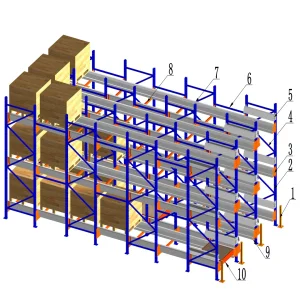
Utilizing high-density Drive-In or Shuttle Storage Racking to minimize air volume requiring refrigeration, ensuring optimal air circulation pathways, and utilizing special low-temperature steel coatings.
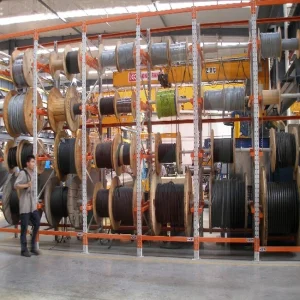
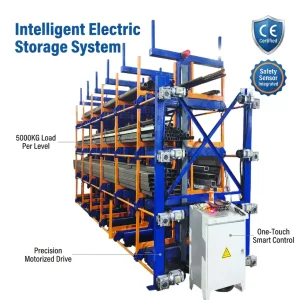
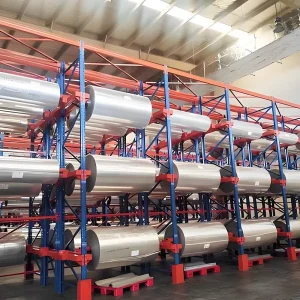
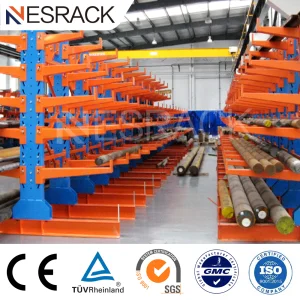
Tailored Cantilever and Cable Reel Rack systems engineered to withstand asymmetrical loads, enabling forklift access to extra-long steel pipes, plates, or heavy cylindrical reels.
To assist engineering teams in planning new facilities or retrofitting existing systems, the table below provides a detailed structural comparison of key industrial storage system classes:
| Racking Architecture | Density Index | Pick Selectivity | Standard Loading Limit | Structural Standard Compatibility |
|---|---|---|---|---|
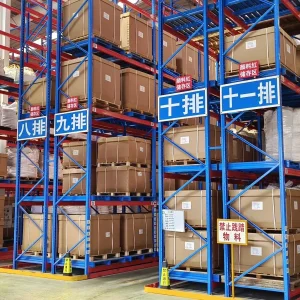
| Selective Pallet Racking | Moderate (40%) | 100% Immediate | 500kg - 2500kg / Level | FEM, AS4084, ANSI/RMI |
| Very Narrow Aisle (VNA) | High (65%) | 100% Immediate | Up to 1500kg / Pallet | FEM 10.2.02, ISO9001 |
| Drive-In / Shuttle Systems | Ultra-High (85%) | LIFO / FIFO Group | 1000kg - 1500kg / Pallet | CE, EN 15512, ANSI |
| AS/RS Smart Systems | Maximum (95%) | Automated FIFO | 1300kg / Pallet (Standard) | Seismic Class I, CE Certified |
The materials handling industry is undergoing a digital and physical transformation. Looking to 2030, our technical development path focuses on integrating mechanical structures with cyber-physical systems:
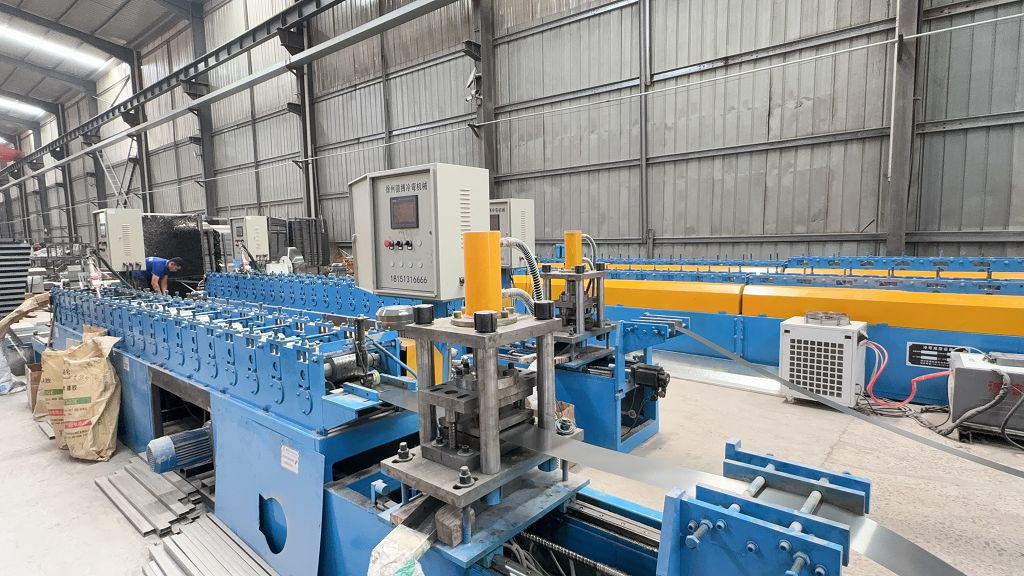
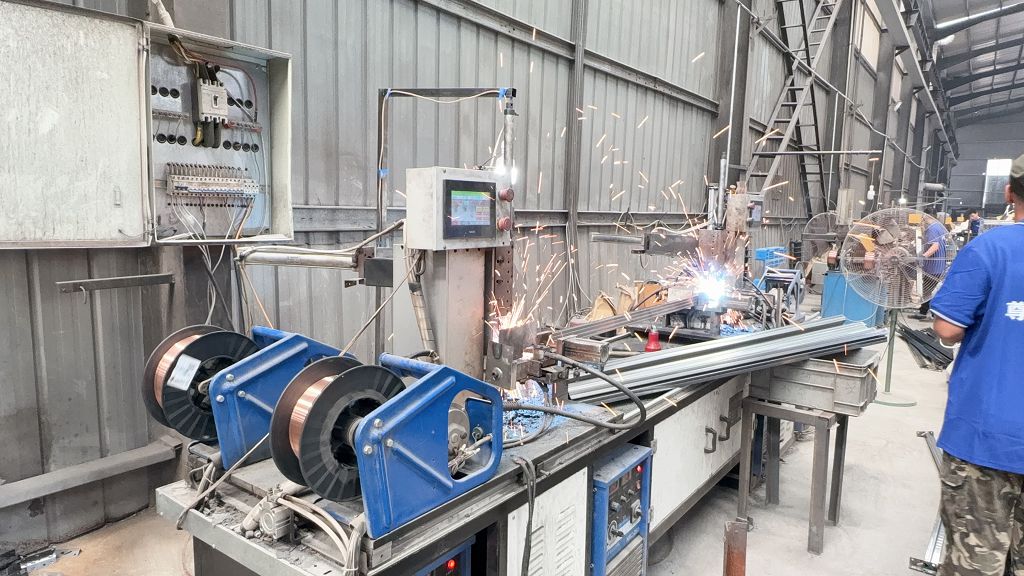
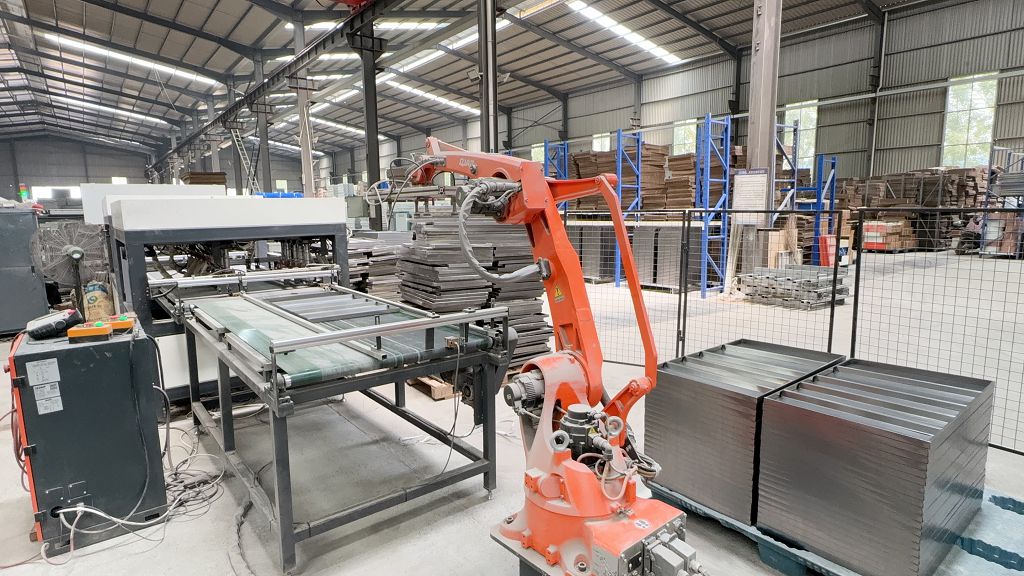
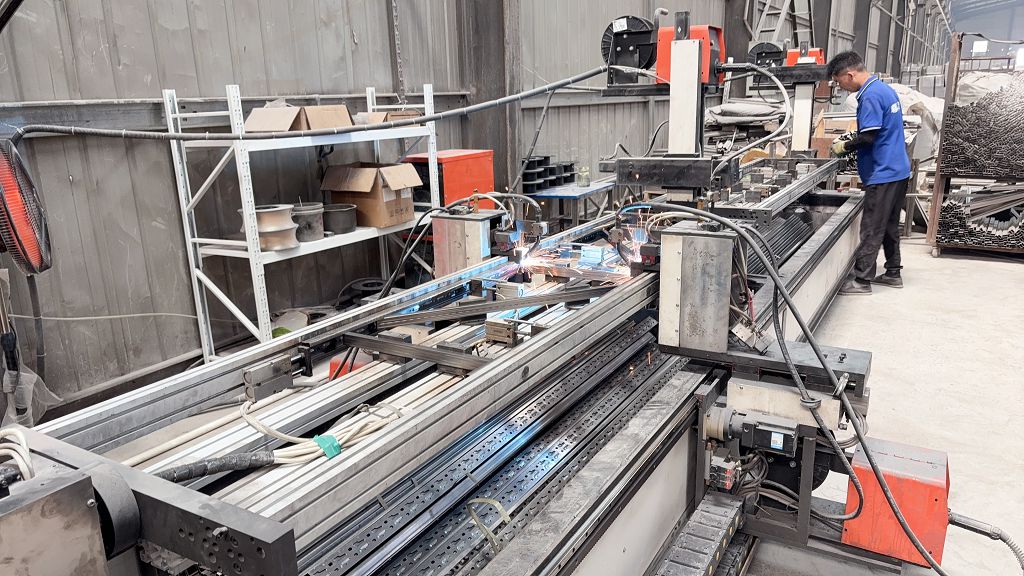
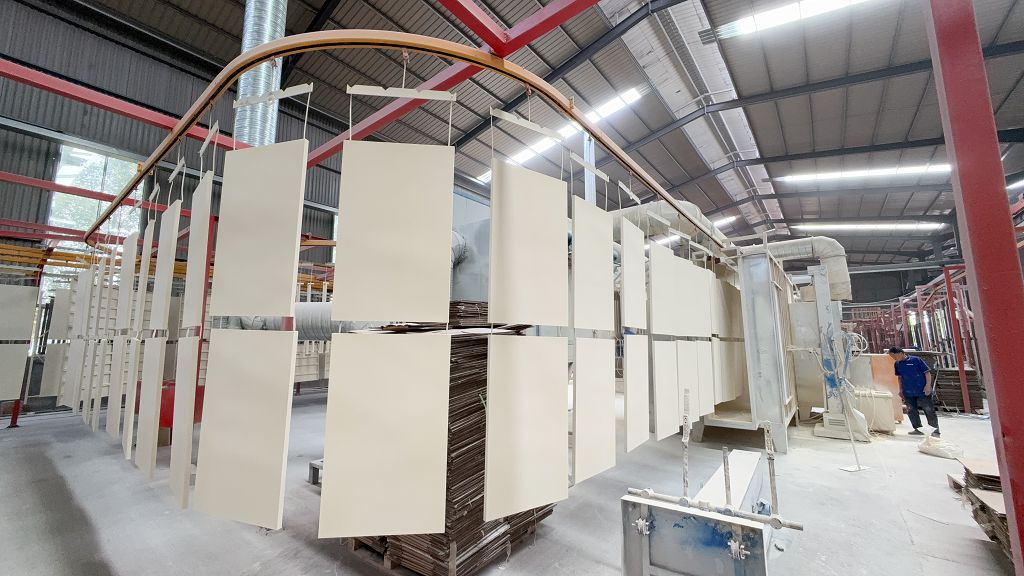
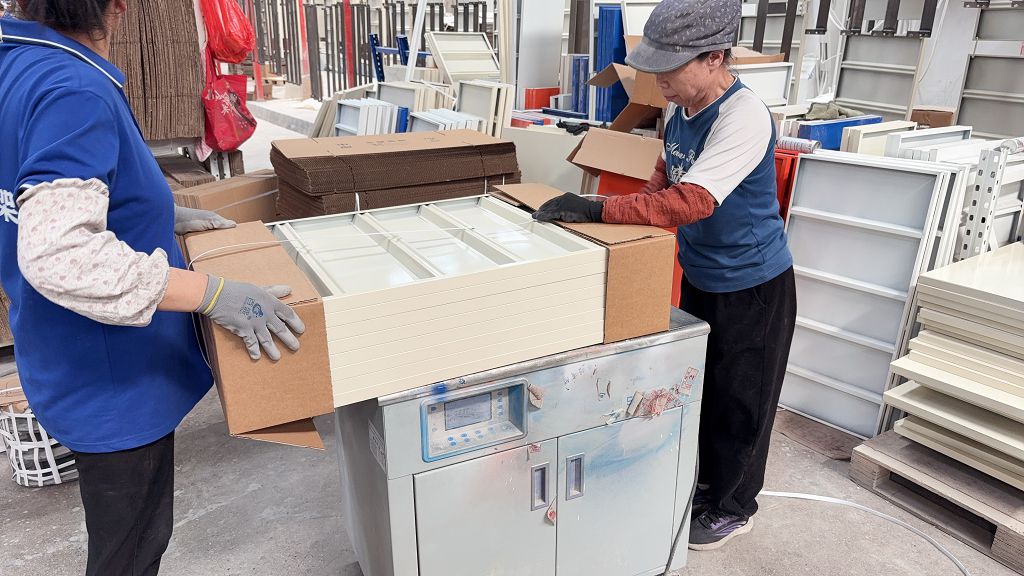
Our state-of-the-art facility integrates automation, precision cutting, and advanced welding lines to ensure long-term durability and quality.
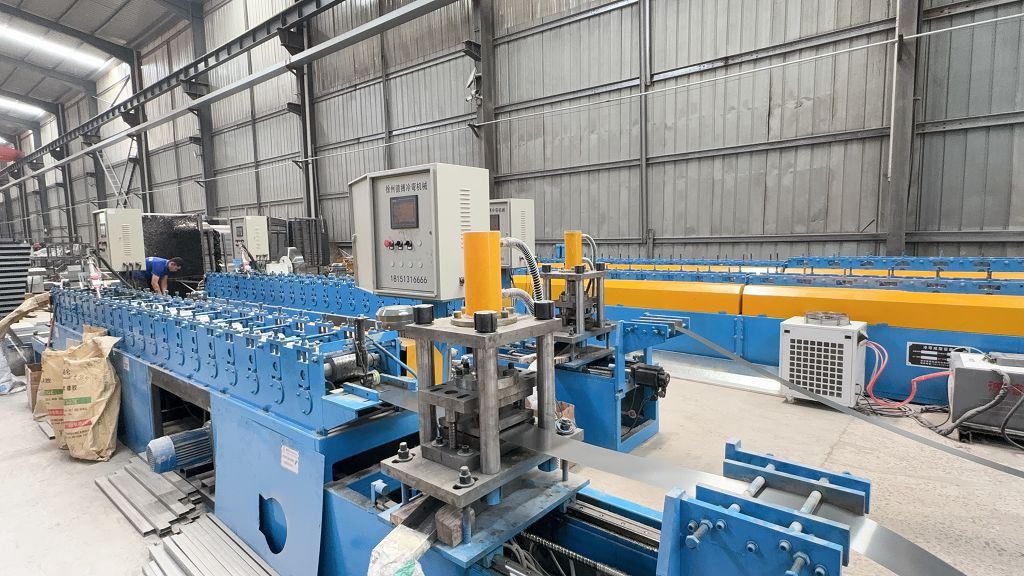
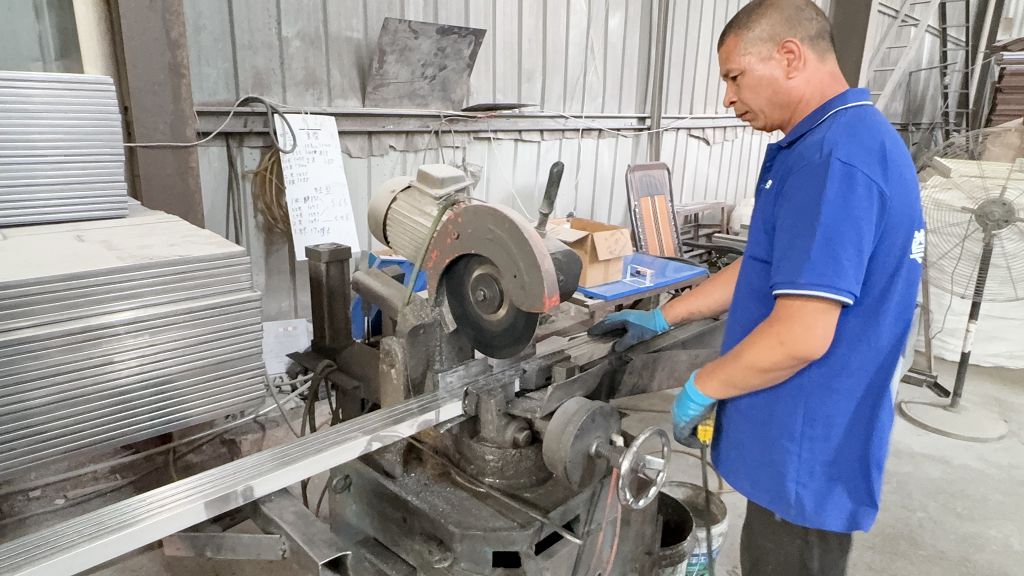
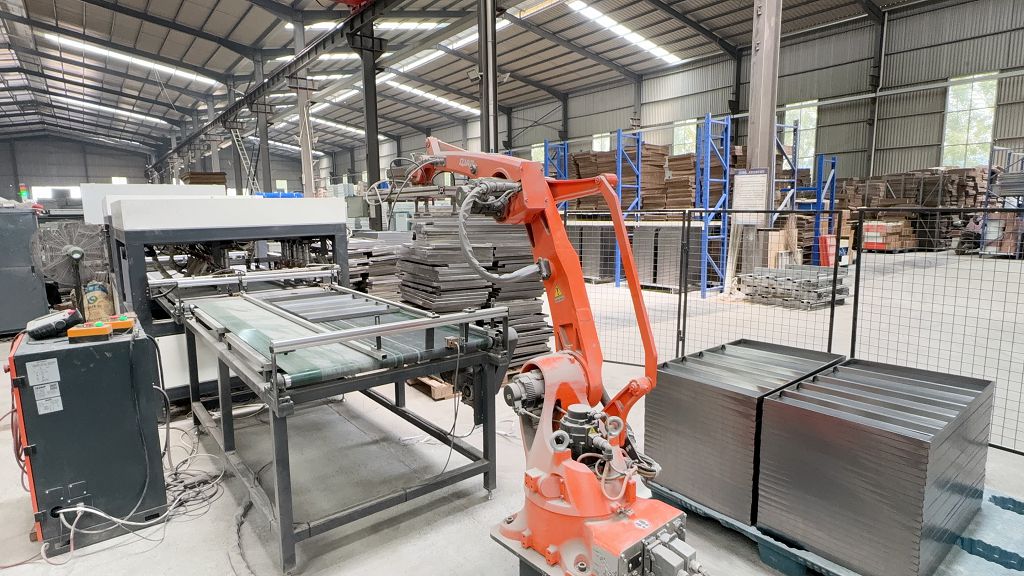
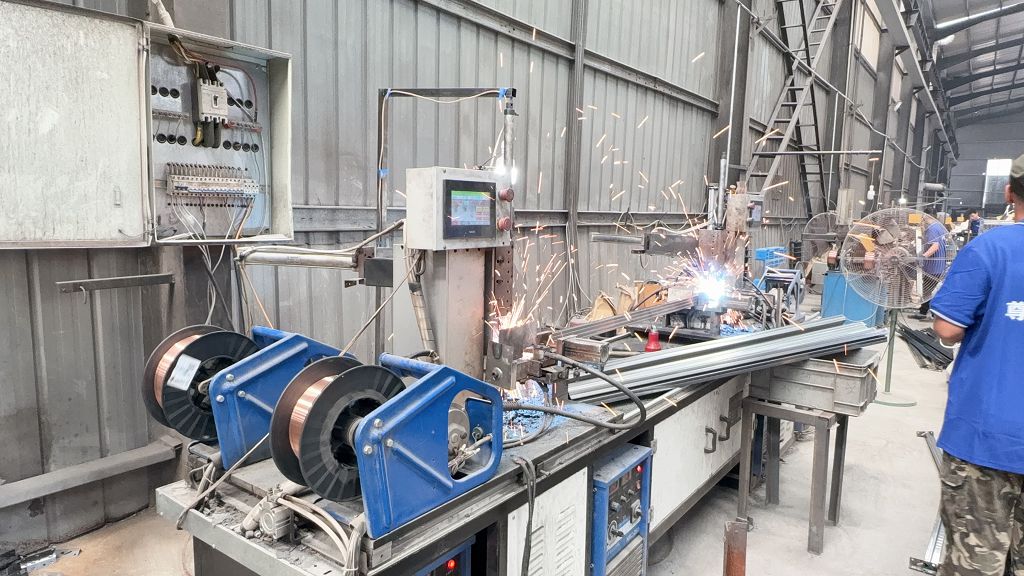
Expert clarifications regarding material selection, international certifications, layout calculations, and installation support.
We compute structures based on the FEM 10.2.02 (European Federation of Materials Handling) and the ANSI/RMI MH16.1 specifications (Specification for the Design, Testing, and Utilization of Industrial Steel Storage Racks). For regions subjected to seismic activity, we apply structural dynamic simulations mapping local Spectral Acceleration coefficients (Ss & S1).
We exclusively utilize high-yield carbon steel plate structures conforming to Q235B and Q345B steel grades (comparable to ASTM A36 and ASTM A572 Grade 50). These standards exhibit high fatigue limits and predictable stress-strain margins under plastic deformation.
First, our structural engineering team collects floor plan DWG files and target pallet height/weight parameters. Next, we construct a 3D model indicating forklift turning margins and column locations. Following draft review, FEA (Finite Element Analysis) reports are compiled for client review prior to manufacturing release.
We offer both powder coat finishes and hot-dip galvanization. Our standard finishing line employs thermosetting epoxy-polyester powder coats cured at 200°C for dry conditions, while hot-dip galvanization (conforming to ISO 1461) is applied for damp or cold storage areas to prevent oxidation.
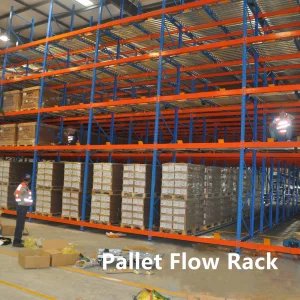
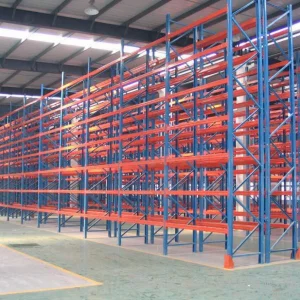
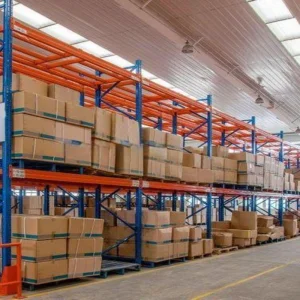
Explore our industrial range of rolling, selective, and automated structural systems designed for optimized supply chains.
 Lush Rack