Engineered structural racking systems, custom shelving modules, and gravity-fed flow solutions designed for peak industrial and warehouse optimization.

An in-depth look at global market dynamics, real estate pricing pressures, and structural engineering mandates driving modern warehouse optimization.
Modern industrial supply chains demand absolute spatial optimization. High real estate costs and the global rise of distribution channels have pushed operations to seek vertical density. In this landscape, generic off-the-shelf shelving configurations often fall short. Industrial structural engineering now requires custom-engineered, bespoke racking solutions tailored to exact payload parameters, warehouse forklift dynamics, automated system interfaces, and specific regional safety standards.
The global bespoke racking systems market is undergoing massive changes due to high-cube warehousing development and the rise of automated material handling (AMH) equipment. Factors like shifting supply chains, fast-moving consumer goods (FMCG) growth, and strict temperature-controlled storage regulations (cold chain) have forced companies to move away from static storage models. Advanced storage solutions are now key structural elements that must withstand seismic activity, temperature shifts, and heavy warehouse traffic.
Engineers design bespoke racking solutions to tackle specific industrial problems: heavy steel coils, odd-shaped aerospace parts, delicate food storage, and high-frequency SKU picking lines. Incorporating custom upright columns, custom beam connectors, and specialized safety frames helps companies avoid structural failures, protect inventory, and ensure worker safety.
Reviewing modern storage technologies, from high-performance steel grades to integrated automation interfaces.
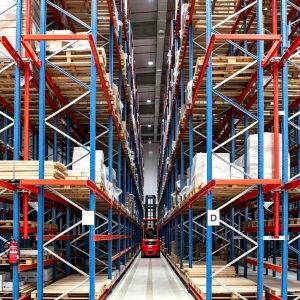
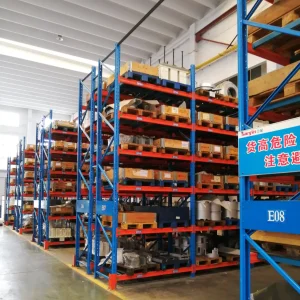
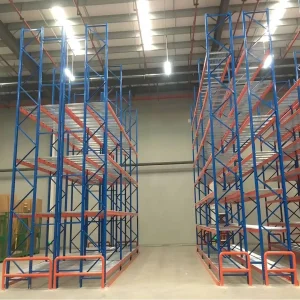
Designed to reduce operating aisles down to less than 1.6 meters, VNA storage systems maximize warehouse capacity. Using precision-engineered guides and specialized high-rise wire guidance systems, VNA setups allow forklift masts to reach heights of over 18 meters without shaking, making them ideal for high-density city warehouses.
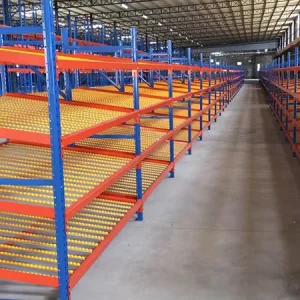
Utilizing high-impact rollers, custom braking assemblies, and precise gravity inclines, dynamic flow racking systems support FIFO (First-In, First-Out) inventory management. This layout reduces forklift travel distance and cuts down energy use in temperature-controlled freezers and beverage coolers.
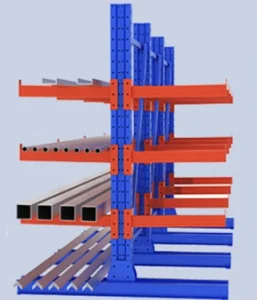
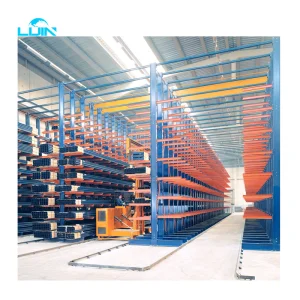
Without front column obstructions, cantilever systems are the primary choice for storing irregular components like pipelines, timber, metal profiles, and heavy industrial tooling. Custom systems feature adjustable arm connections to change vertical clearances based on product dimensions.
Top-tier racking manufacturers rely on advanced Finite Element Analysis (FEA) software. This technology tests virtual mockups against simulated seismic events, wind forces, and extreme load drops. This step is critical in seismic zones (like California, Japan, and parts of Southern Europe), where local building codes require storage rack structures to flex and disperse seismic forces safely.
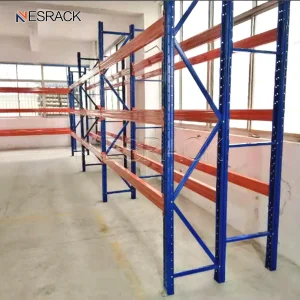
Using premium high-yield steels (like grade Q235B and Q345B) combined with advanced cold-formed profile processes ensures these racking structures provide a high strength-to-weight ratio. This engineering foundation reduces dead loads on warehouse floor slabs while maintaining the stiffness needed for safety compliance.
An in-depth look at their production processes, quality control practices, and global industrial footprint.
Nanjing Lush Rack Co., Ltd. is a professional manufacturer specializing in industrial storage racking systems and warehouse storage solutions. The company is dedicated to the research, design, production, and installation of a full range of warehouse racks and shelving systems, providing efficient and reliable storage infrastructure for modern logistics and supply chain operations.
With strong engineering capabilities and advanced manufacturing equipment, Nanjing Lush Rack Co., Ltd. is able to deliver complete warehouse racking solutions from concept design and structural calculation to production, quality inspection, and installation guidance. Our engineering team works closely with clients to analyze warehouse space utilization, material flow, and load requirements, ensuring that each solution is safe, stable, and cost-effective.
The company maintains a strict quality control system throughout the production process, from raw material selection to final product inspection. All racking systems are designed and manufactured to meet international safety and durability standards, ensuring long service life and reliable performance even under heavy industrial use.
Nanjing Lush Rack Co., Ltd. has a skilled technical team and an experienced sales department that provides responsive communication and professional support. With stable production capacity and efficient supply chain management, we are capable of handling both standard orders and large-scale customized projects with consistent quality and on-time delivery.
Our products are widely used in industries such as logistics and distribution, e-commerce fulfillment centers, manufacturing, automotive parts storage, cold chain logistics, and retail warehousing. We have established a strong customer base across domestic markets in China, and our products are also exported to Southeast Asia, Europe, North America, and other international regions.
As a trusted partner in warehouse storage solutions, Nanjing Lush Rack Co., Ltd. is committed to delivering high-quality racking systems, innovative storage concepts, and long-term value for our customers. We continue to focus on improving warehouse efficiency, reducing operational costs, and supporting the development of modern intelligent logistics systems.
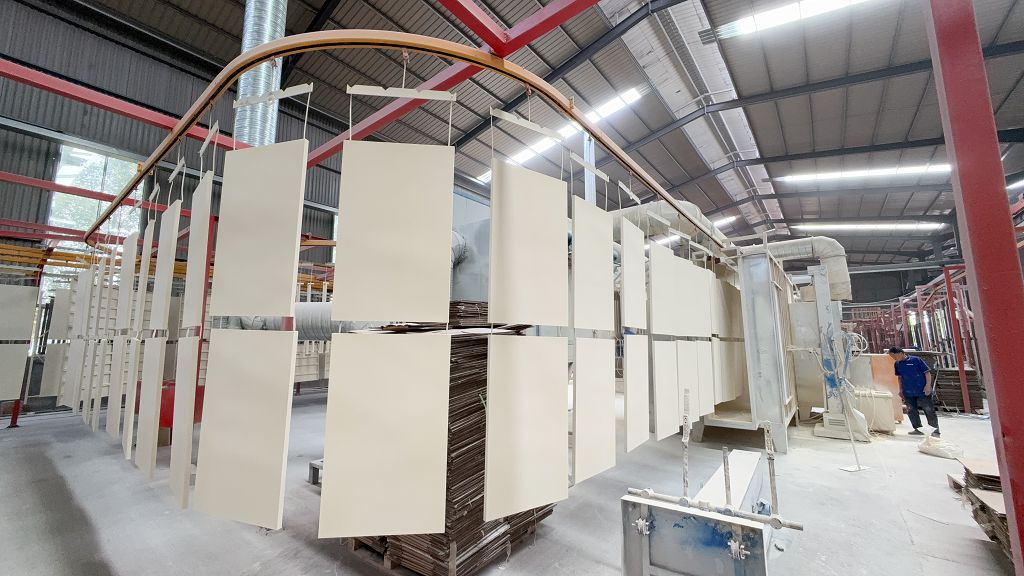
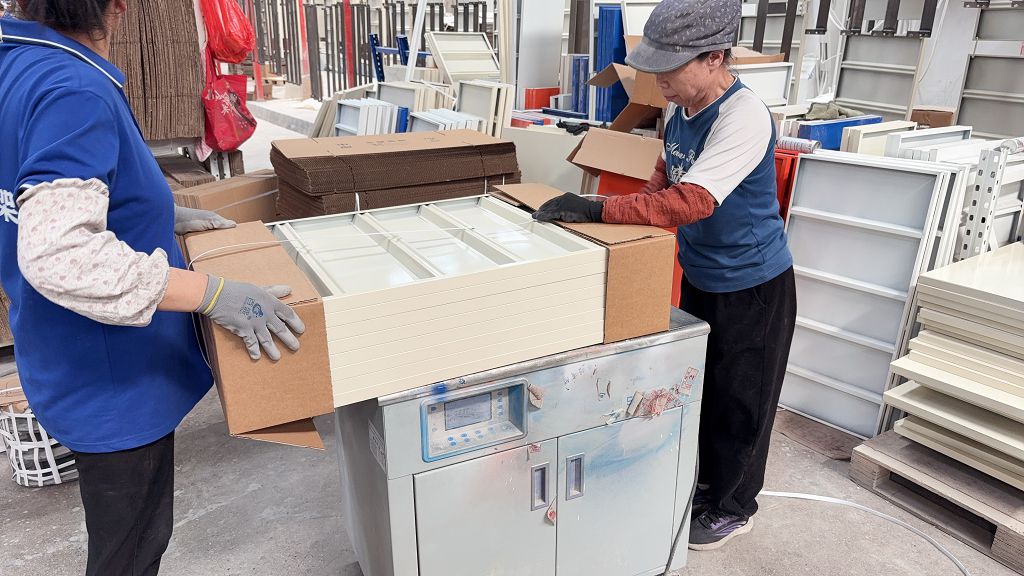
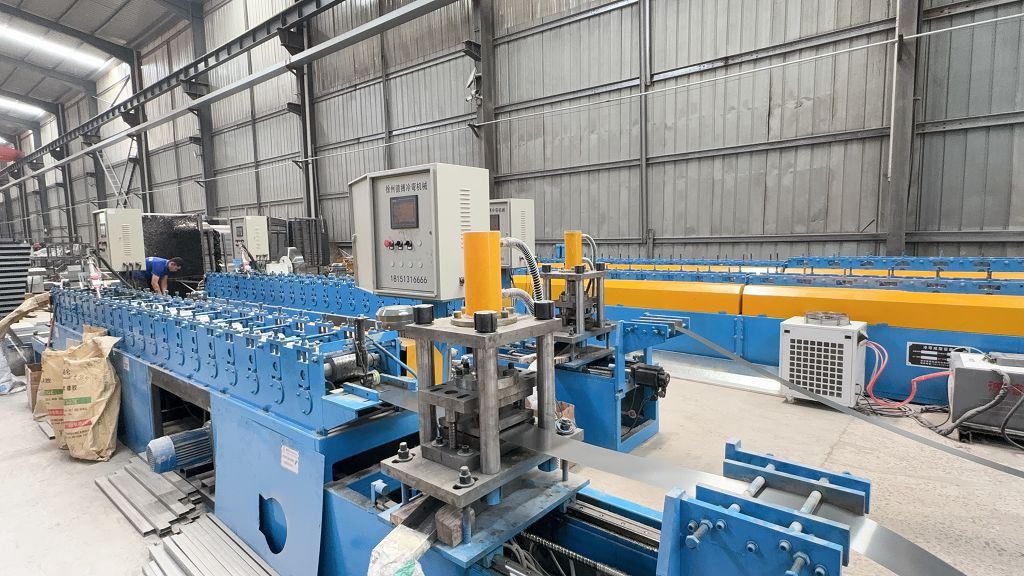
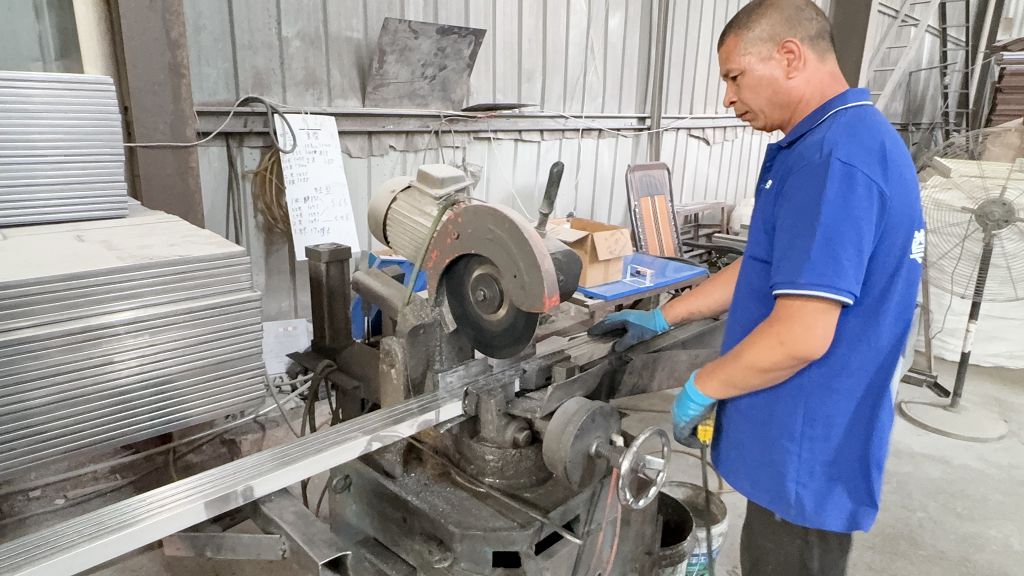
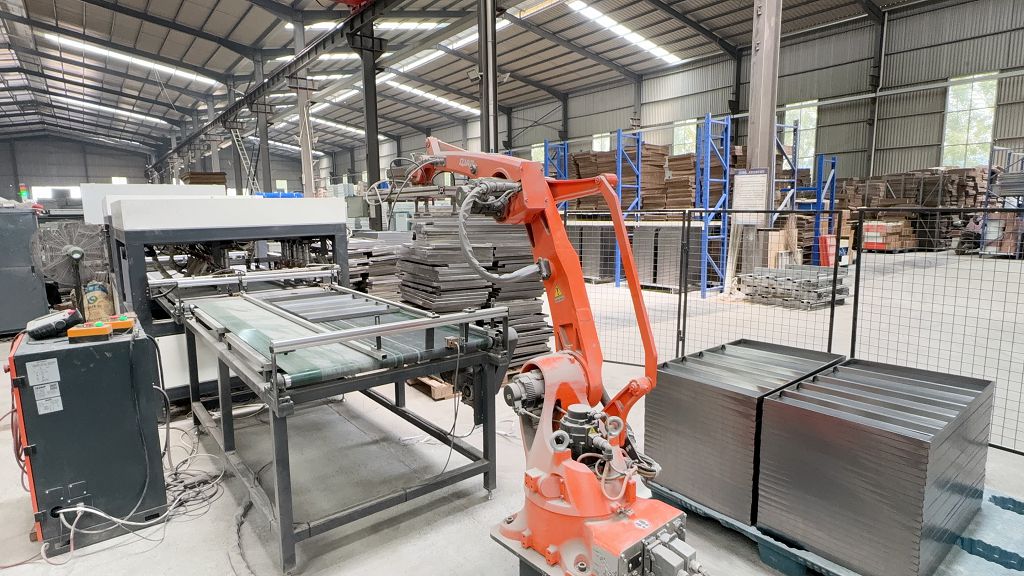
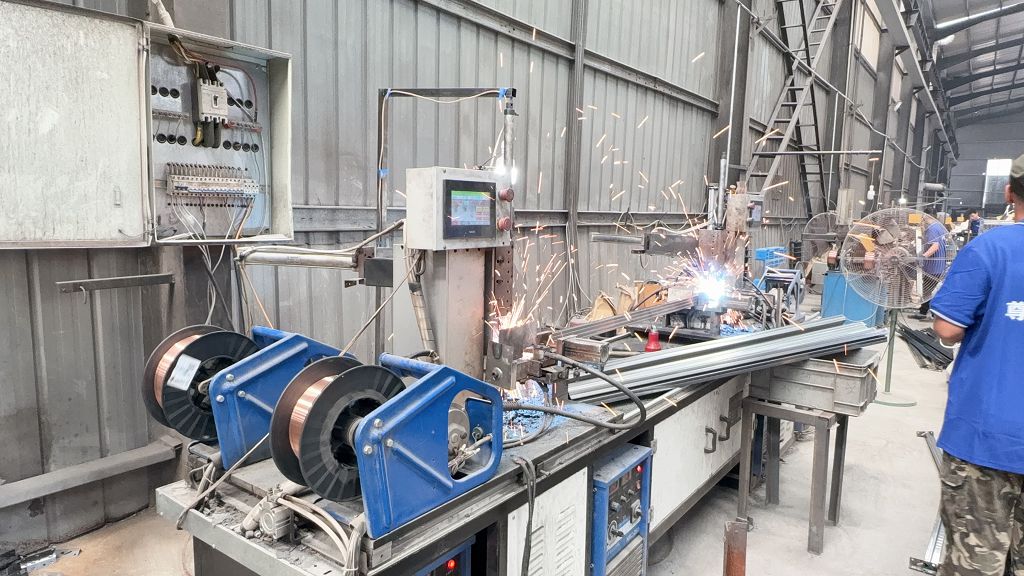
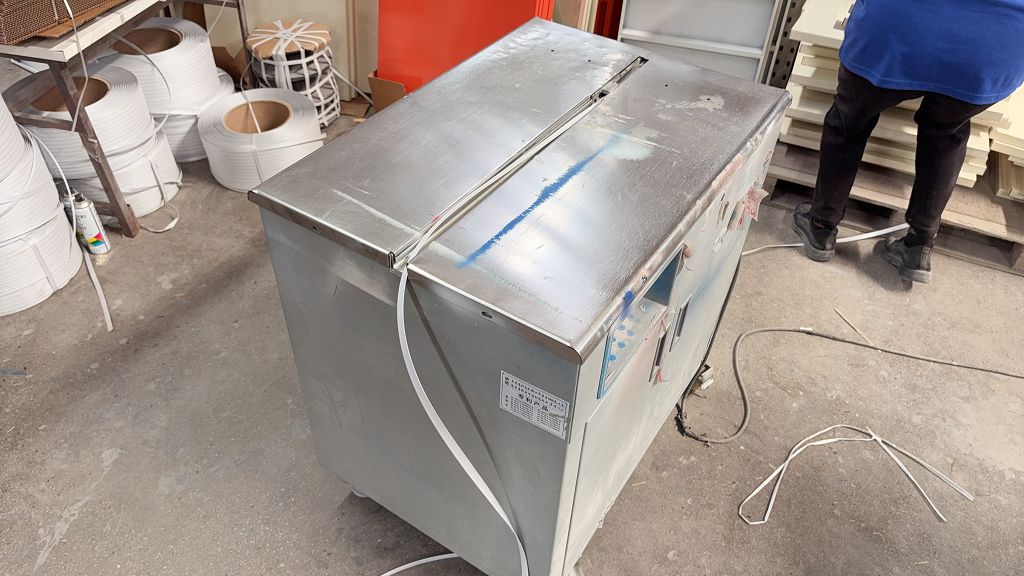
Operating a modern production facility requires specialized machinery. Nanjing Lush Rack Co., Ltd. runs automated welding lines, roll-forming machines, and multi-stage powder coating systems to guarantee consistent product quality across all runs.
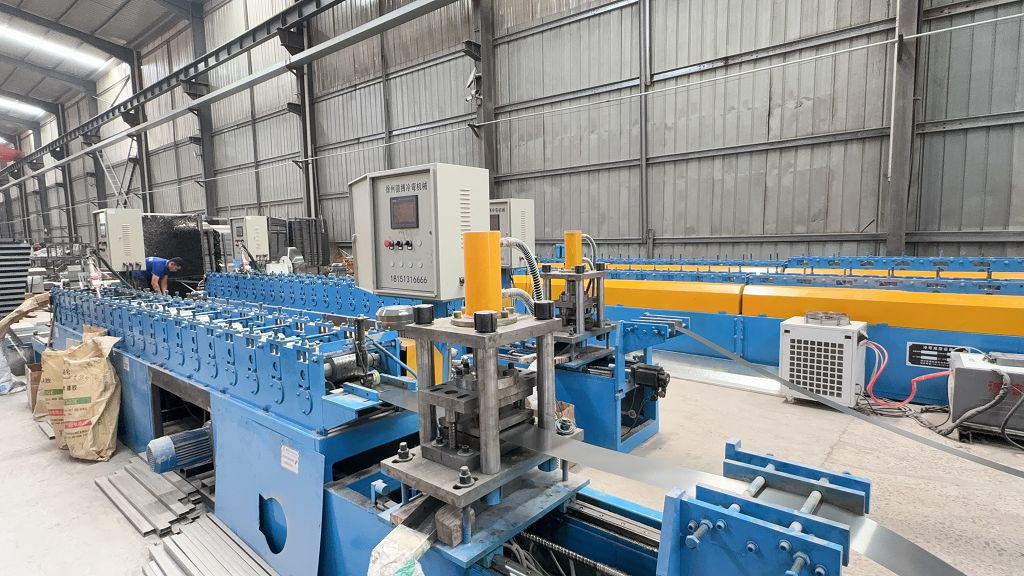
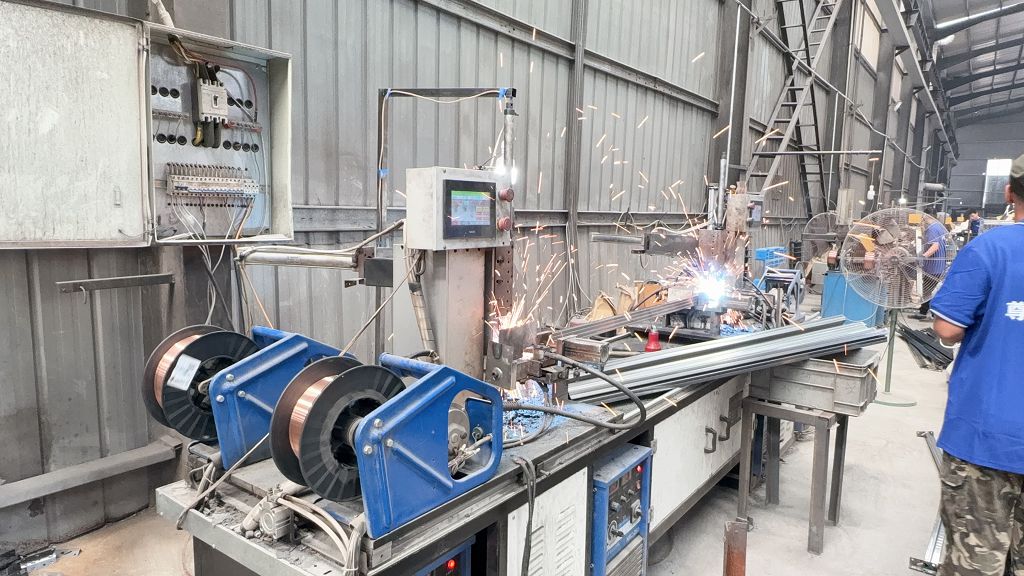
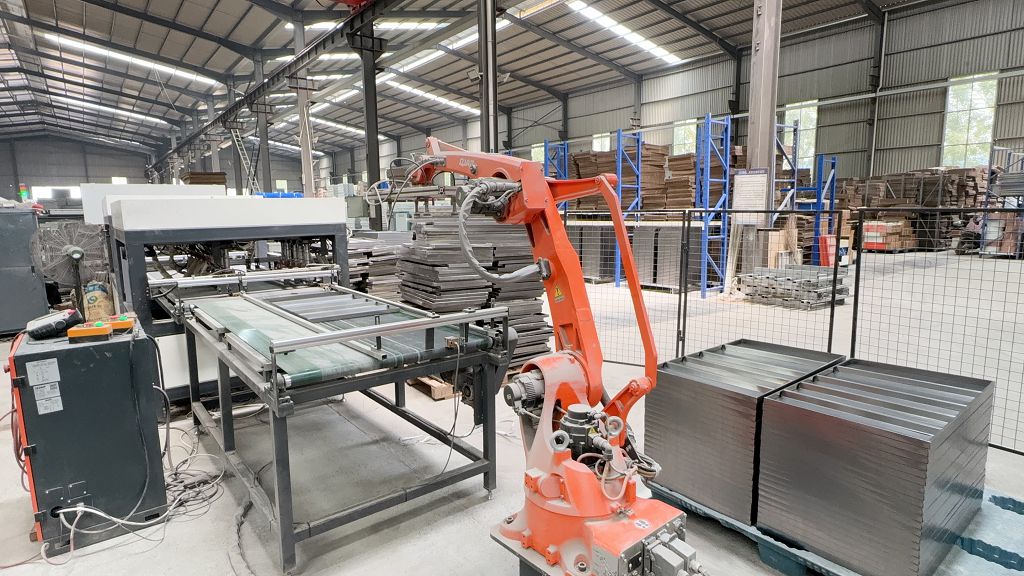
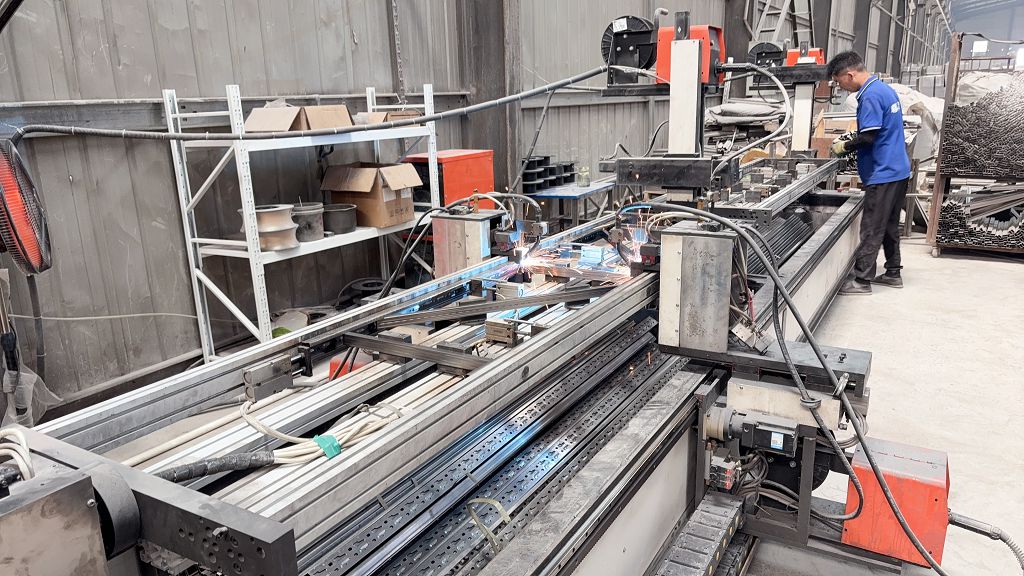
Analyzing specialized engineering configurations designed to solve operational challenges across key verticals.
Sub-zero logistics require ultra-dense storage to minimize cooling energy losses. Custom Drive-in Racks, Mobile Racking, and Shuttle Systems reduce footprints by eliminating wide access aisles. In these environments, materials must be chosen carefully: structural steels must remain ductile at sub-zero temperatures, and galvanized finishes are preferred to prevent rust from humidity cycles.
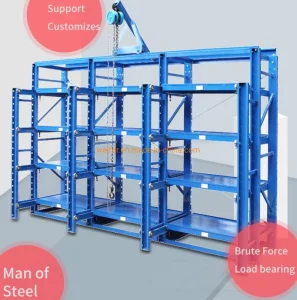
Storing tooling, dies, and molds presents unique load challenges. Standard shelves will deflect or collapse under these concentrated weights. Custom slide-out drawer mold racks allow warehouse workers to access multi-ton tooling safely with overhead cranes, reducing forklift dependency and protecting valuable tools.
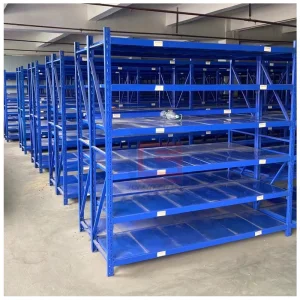
E-commerce fulfillment centers require fast, high-density order picking. Integrated multi-level steel shelving platforms, high-speed carton flow systems, and gravity-fed lanes allow workers to pick multiple orders simultaneously. These structures must integrate seamlessly with conveyor belts and pick-to-light sensors.
Key quality markers, structural certifications, and engineering standards for sourcing industrial racking.
When purchasing racking systems for multi-million dollar distribution hubs, global buyers evaluate factories based on three primary engineering criteria:
Expert answers to common engineering, compliance, and design questions about custom racking installations.
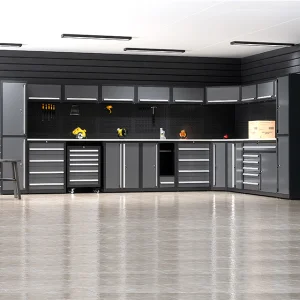
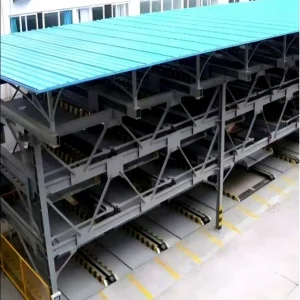
From ultra-narrow aisle systems to automated garage control platforms, explore more spatial layouts designed for commercial applications.
 Lush Rack