Engineered flexibility designed for heavy loads, high throughput, and seamless warehouse utilization.
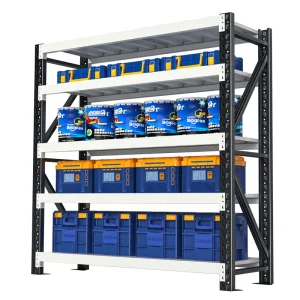
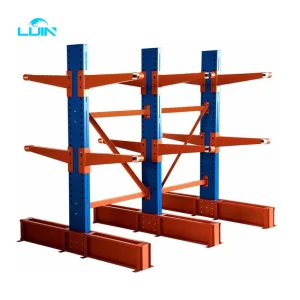
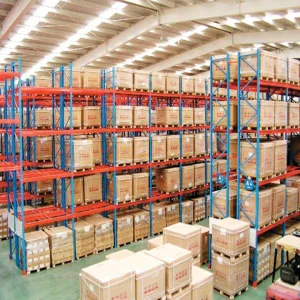
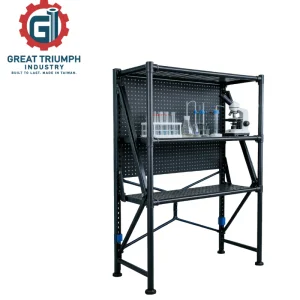
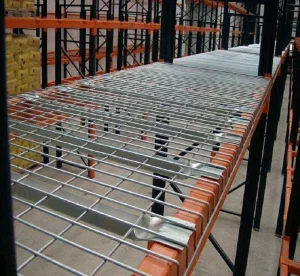
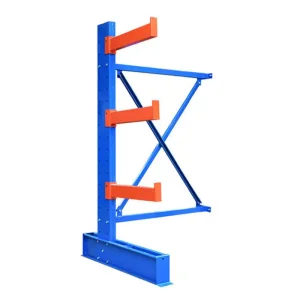
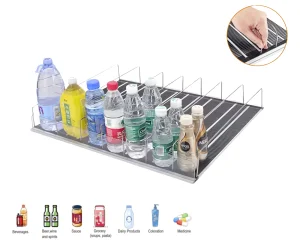
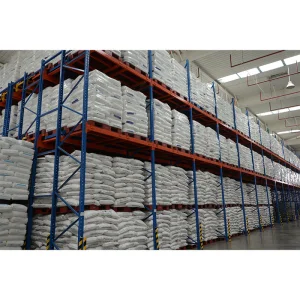
In modern industrial logistics, the physical layout of warehousing can no longer remain static. Market developments demand that storage infrastructure adapt in real-time to shifting SKU profiles, supply chain volatility, and automated logistics systems. High-density, modular storage configurations—collectively recognized as flexible racking systems—have transitioned from a premium operational option to a baseline prerequisite for high-performance supply chains.
Unlike rigid traditional racking, flexible systems integrate modular mechanical engineering with structural adaptability. This versatility allows warehouse managers to adjust vertical spacing, load capacities, beam orientations, and deck layouts without replacing the fundamental load-bearing columns. This capability is crucial as companies transition from pure manual storage to semi-automated and fully automated intralogistics configurations, including autonomous mobile robots (AMRs), automated guided vehicles (AGVs), and automated storage and retrieval systems (AS/RS).
To maximize spatial yield while maintaining safety, the design of flexible racking must prioritize high-tensile material selection, modular connectives, and precise tolerance analysis. Key engineering characteristics include:
For international supply chain managers, procurement is no longer driven solely by initial cost-per-pallet-position. Total Cost of Ownership (TCO), material certifiability, and regulatory compliance dictate long-term project viability. Industrial operations face stringent compliance mandates including the European FEM 10.2.02 guidelines for steel static storage systems, the Rack Manufacturers Institute (RMI) specifications in North America, and the Australian AS4084 standards.
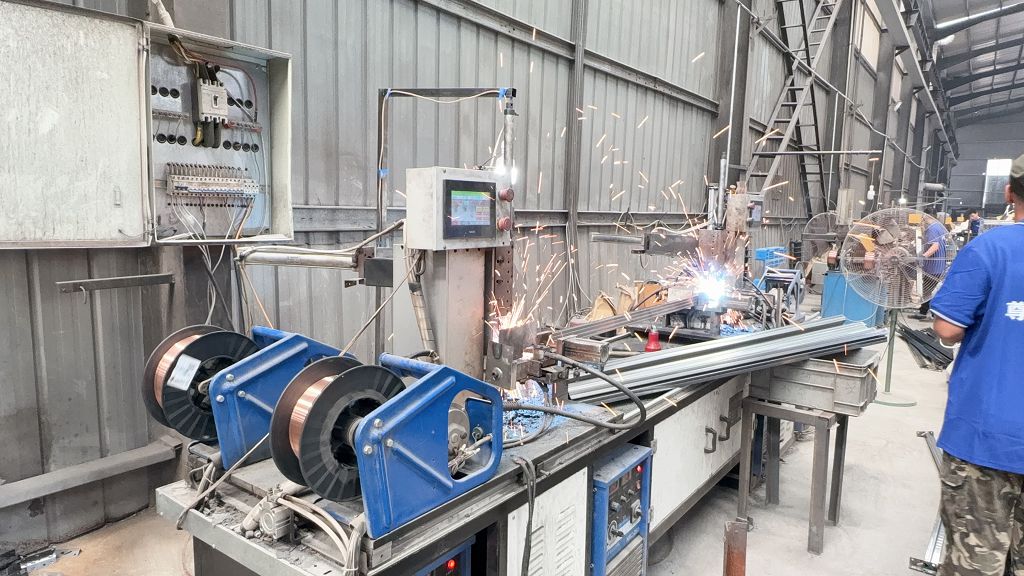
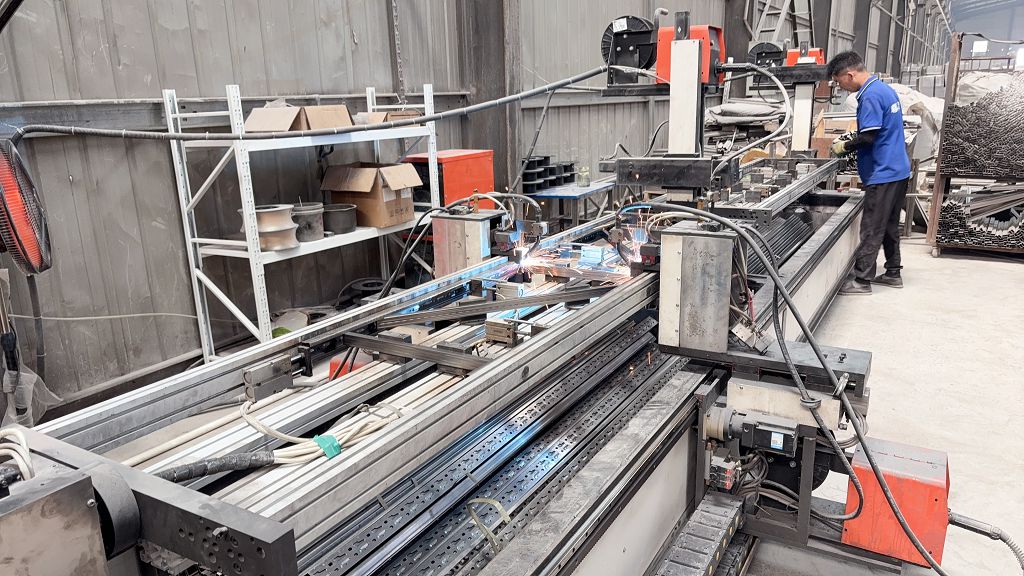
When sourcing racking systems globally, verifying structural calculation reports, mill certificates for structural grade steels (e.g., Q235B and Q355B), and the manufacturer's quality control tracking systems is essential for assessing operational safety. A reliable manufacturer must provide documented structural verification, structural finite element analysis (FEA) under seismic load cases, and certified automated welding procedures.
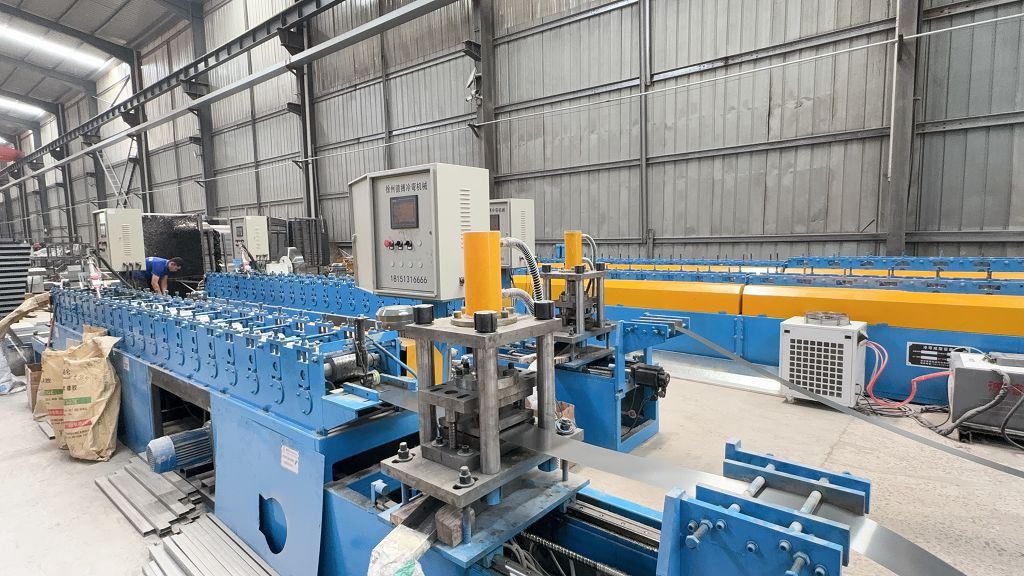
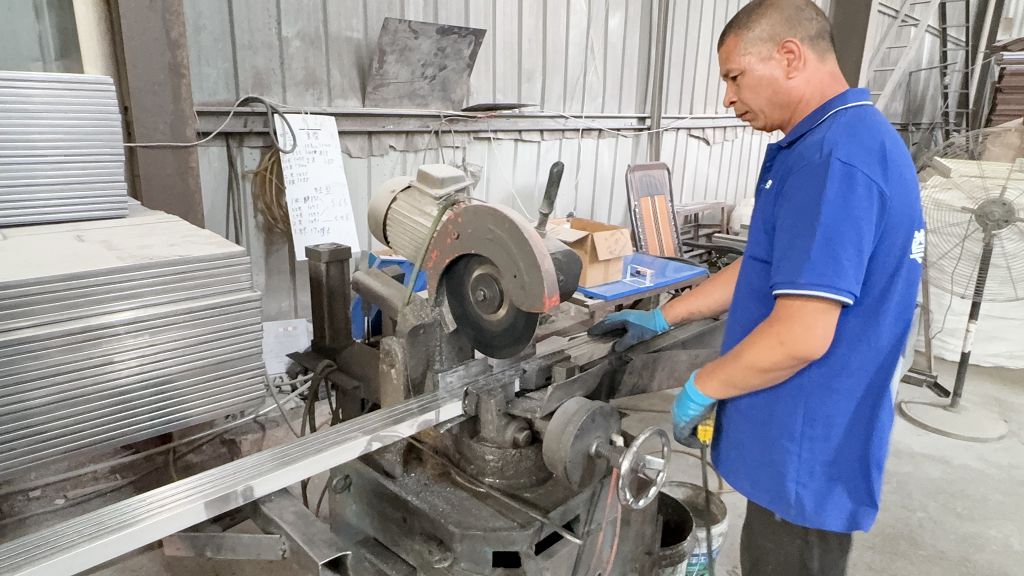
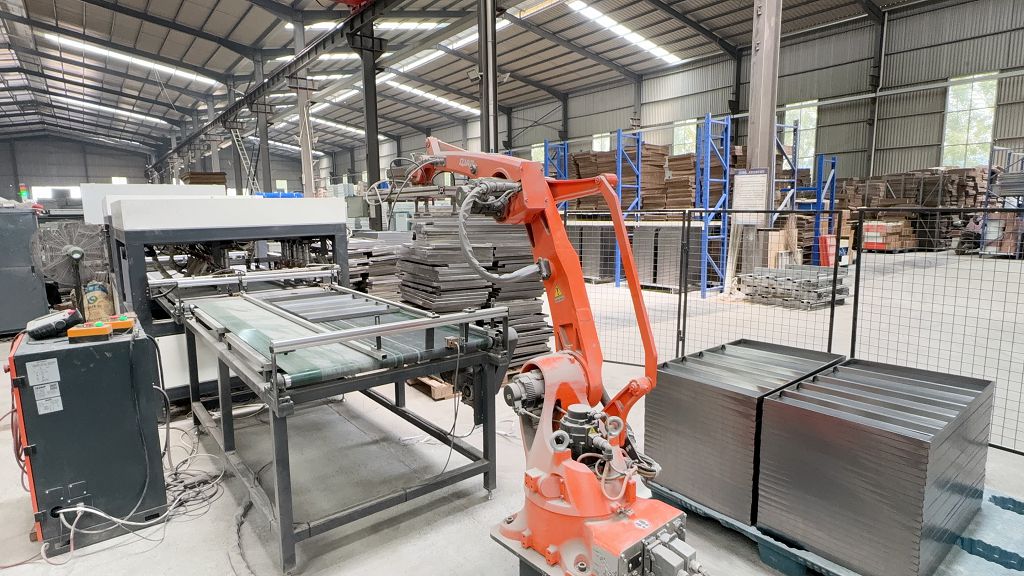
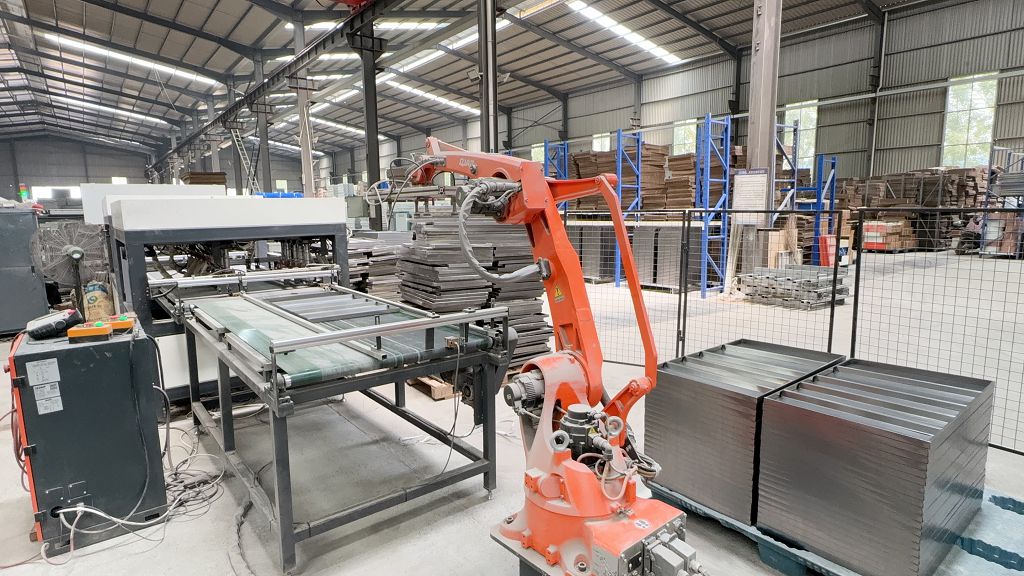
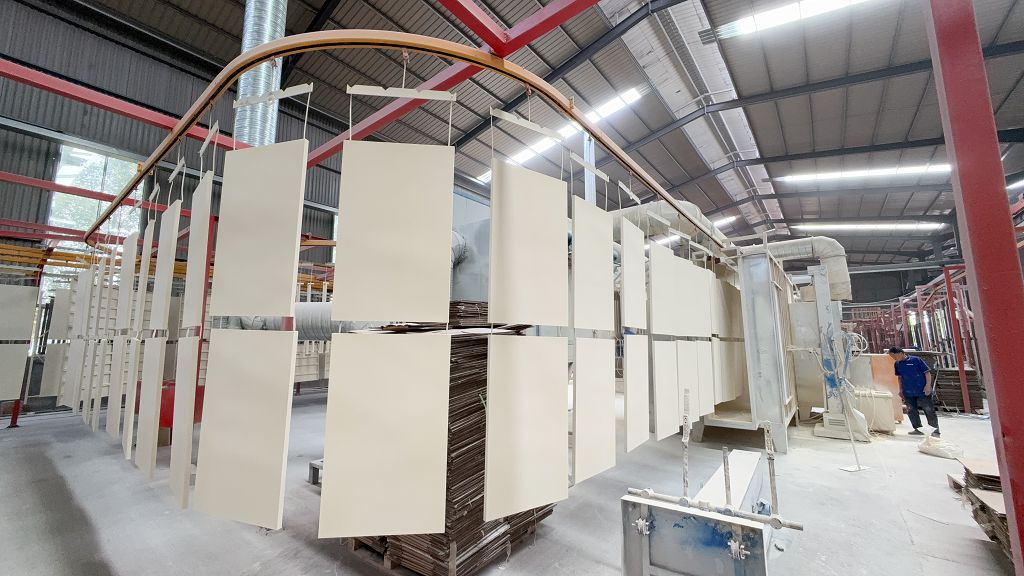
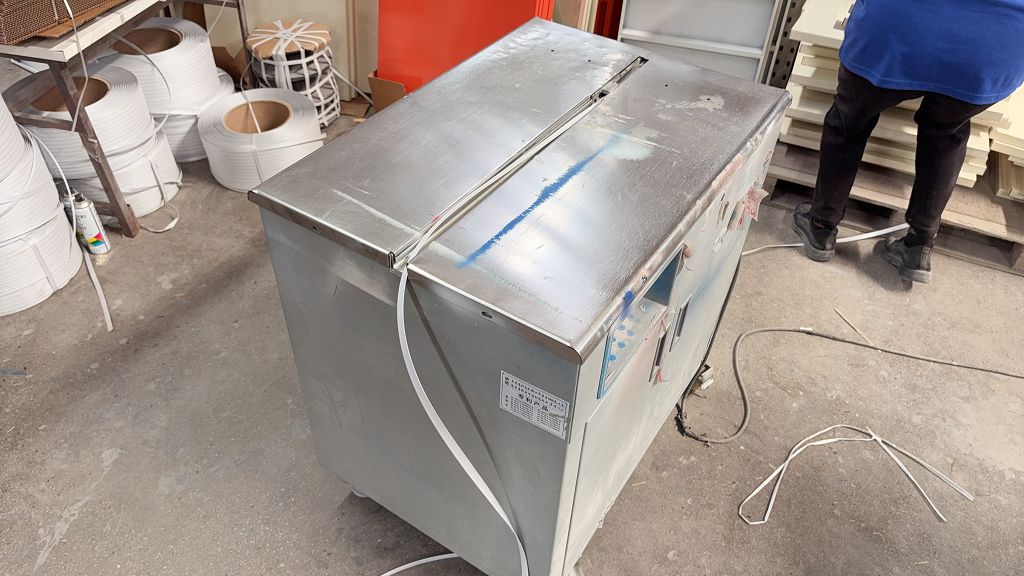
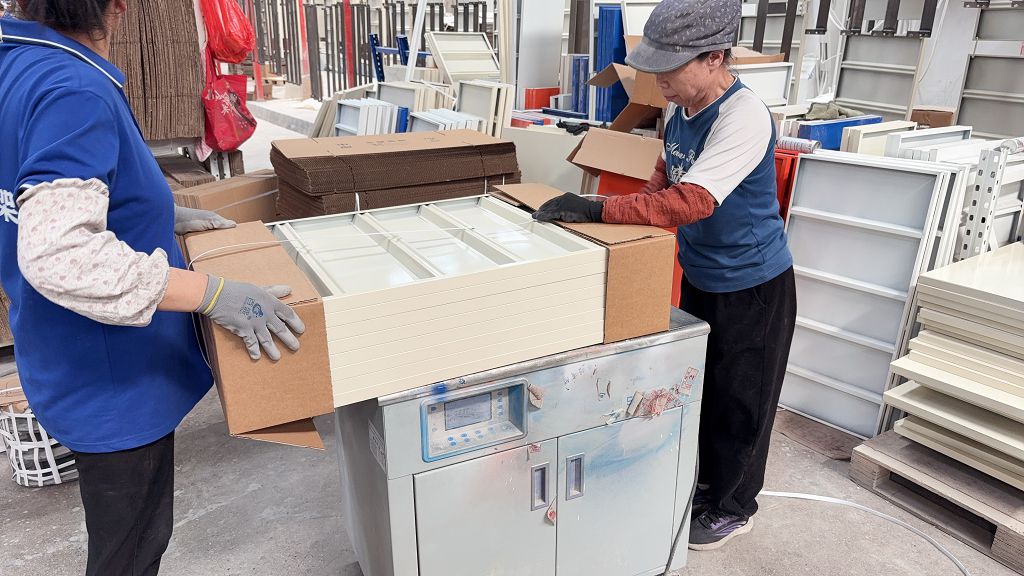
Integrating advanced engineering, automated production lines, and strict quality control pipelines.
Nanjing Lush Rack Co., Ltd. is a professional manufacturer specializing in industrial storage racking systems and warehouse storage solutions. The company is dedicated to the research, design, production, and installation of a full range of warehouse racks and shelving systems, providing efficient and reliable storage infrastructure for modern logistics and supply chain operations.
With strong engineering capabilities and advanced manufacturing equipment, Nanjing Lush Rack Co., Ltd. is able to deliver complete warehouse racking solutions from concept design and structural calculation to production, quality inspection, and installation guidance. Our engineering team works closely with clients to analyze warehouse space utilization, material flow, and load requirements, ensuring that each solution is safe, stable, and cost-effective.
The company maintains a strict quality control system throughout the production process, from raw material selection to final product inspection. All racking systems are designed and manufactured to meet international safety and durability standards, ensuring long service life and reliable performance even under heavy industrial use. Our products are widely used in industries such as logistics and distribution, e-commerce fulfillment centers, manufacturing, automotive parts storage, cold chain logistics, and retail warehousing.
How global enterprises deploy flexible configurations to address unique operational and environmental challenges.
Answers to common questions regarding structural calculations, material grades, logistics, and installation.
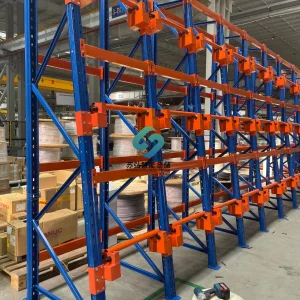
High-capacity systems designed to support continuous heavy-duty industrial storage requirements.
 Lush Rack