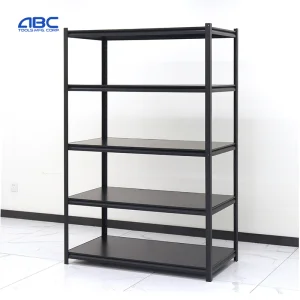
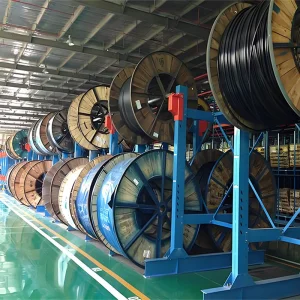
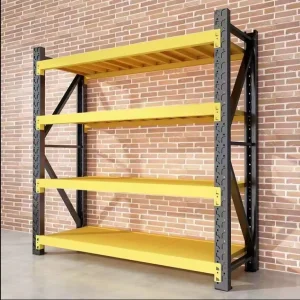
Engineered to optimize structural safety, maximize vertical floor space, and guarantee high-capacity warehouse operations.
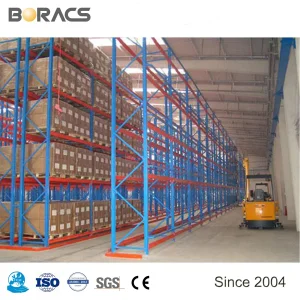
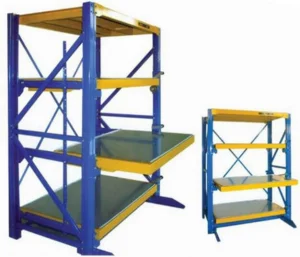

In modern industrial storage, storing long, oversized, or irregular loads presents unique structural challenges. Standard pallet racking systems, limited by front upright columns, cannot accommodate continuous, horizontal materials. Cantilever racking systems solve this constraint. Engineered with a vertical upright column and load-bearing arms extended outwards, cantilever racks allow unobstructed horizontal access for storing items such as timber, steel pipes, plastic conduits, sheet metals, structural extrusions, and heavy machinery components.
As a leading engineering-driven manufacturer, Nanjing Lush Rack Co., Ltd. designs systems where load capacities, load distribution, and structural deflection conform to international standards (including the European FEM 10.2.09, US RMI MH16.1, and Australian AS4084-2012 codes). The engineering design relies on calculation models that account for axial loading on the columns, bending moments on the cantilever arms, and localized stress at the connection joints.
“The load capacity of a cantilever system is not simply the sum of its parts. It requires calculating structural deflection (usually limited to L/300 for static safety), seismic forces based on geographical soil categories, and the dynamic impacts of forklift operations.”
A typical cantilever setup includes:
Manufactured from high-strength hot-rolled I-sections, ideal for high-capacity applications ranging from 1,000kg to over 5,000kg per arm.
Formed from continuous coil steel sheets (Q235B/Q345B). Offers a cost-effective, adjustable solution for light-to-medium-duty storage requirements.
Engineered with a safety design factor of 1.5 to 1.9 times the nominal working load limit to withstand forklift impacts and placement errors.
The manufacturing cluster in Nanjing, China, represents a major global hub for warehouse logistics systems. Nanjing Lush Rack Co., Ltd. leverage this localized supply chain ecosystem to source premium hot-rolled and cold-rolled steel coils directly from state-owned mills like Baosteel and Shagang Group. This control over raw materials ensures consistent mechanical properties, including tensile strength, yield strength, and chemistry tolerances required for reliable structural welding.
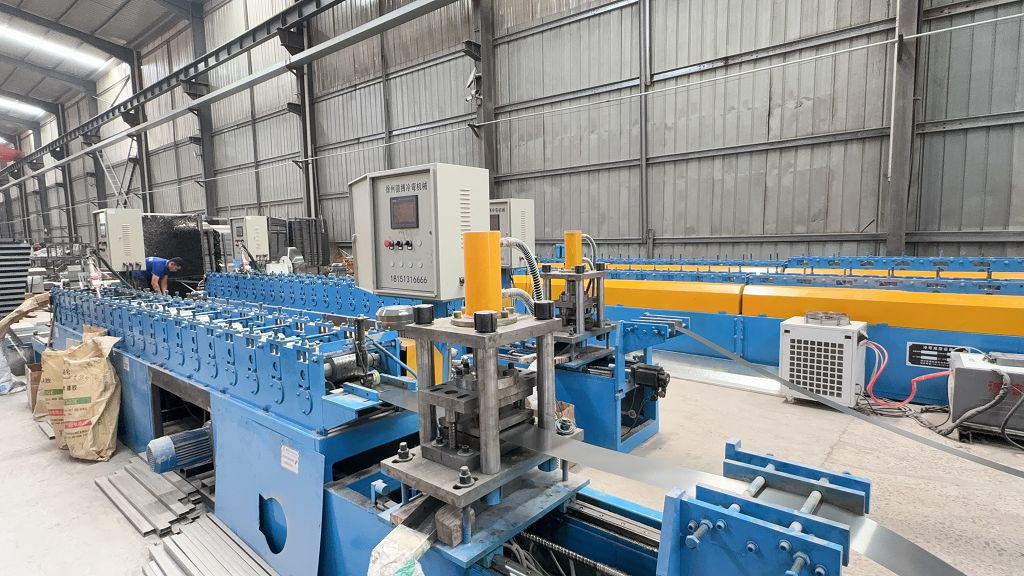
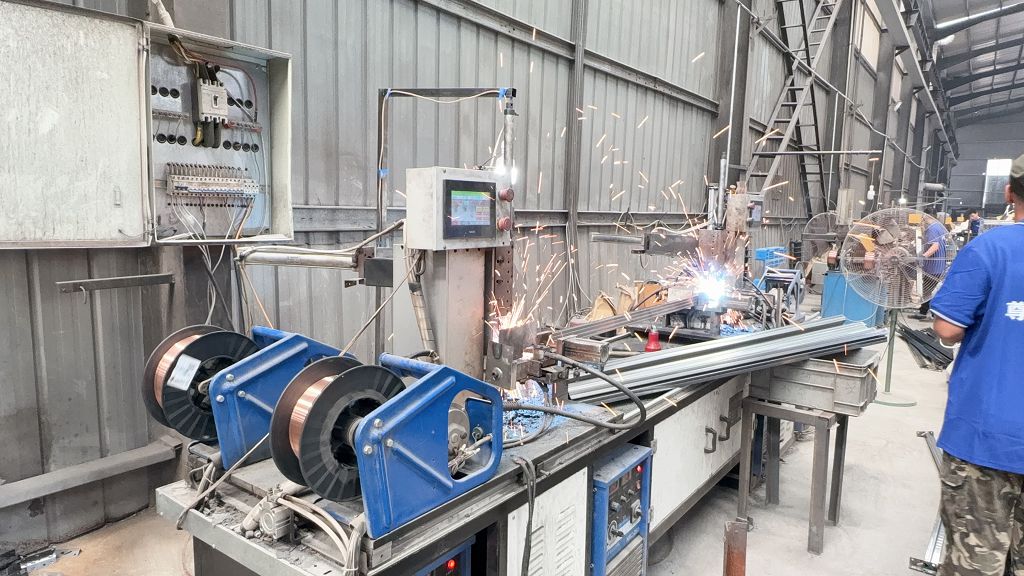
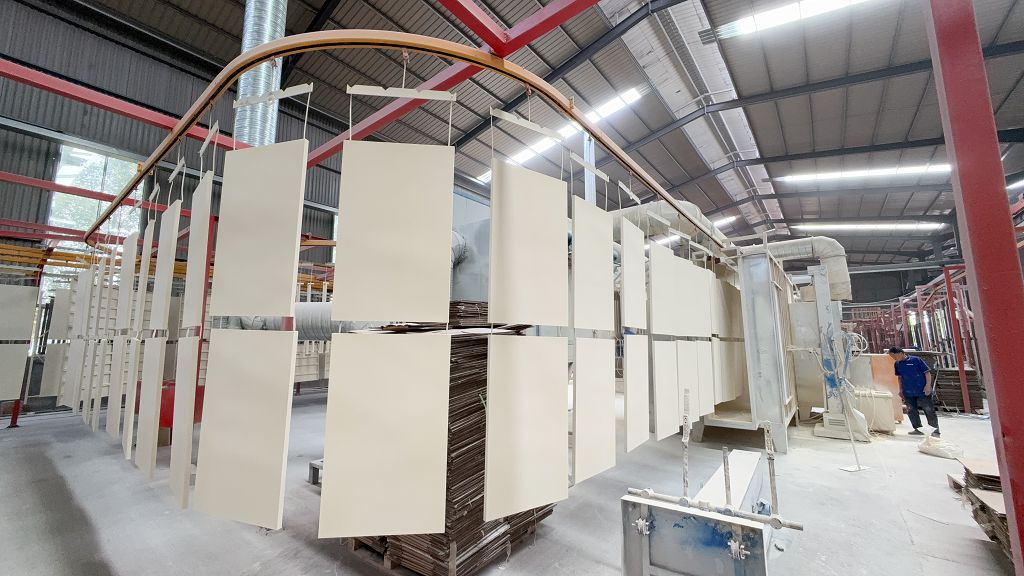
Our production facilities feature automated cutting, high-precision robotic welding, and automatic powder-coating lines. Automation ensures structural consistency across manufacturing runs, minimizing variations in dimensional alignment. Precision welding is critical for cantilever systems, as the arm connection brackets experience high rotational moments and stress concentrations.
Each phase of the production cycle is monitored via a strict Quality Management System (QMS) compliant with ISO 9001:2015 standards:
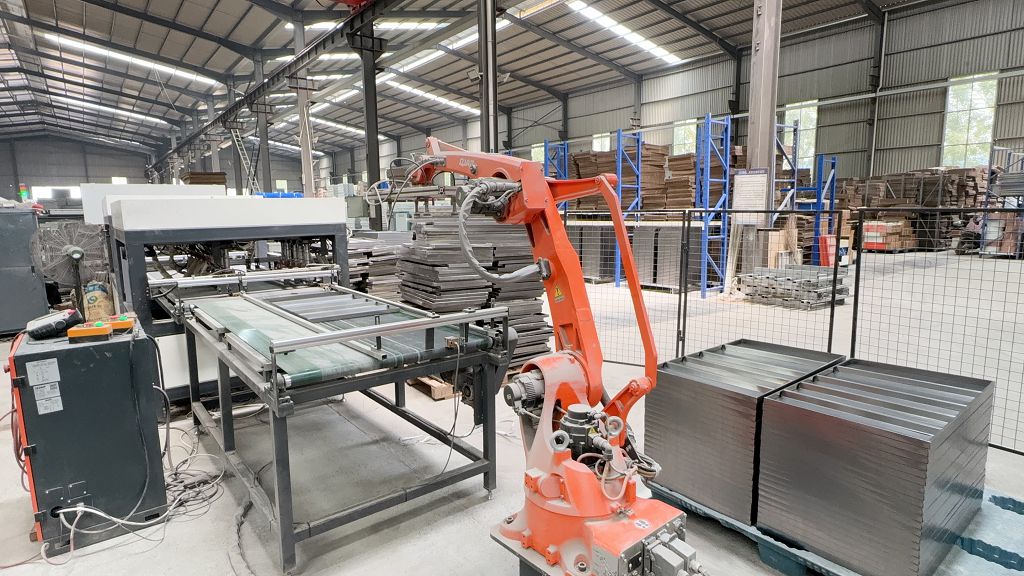
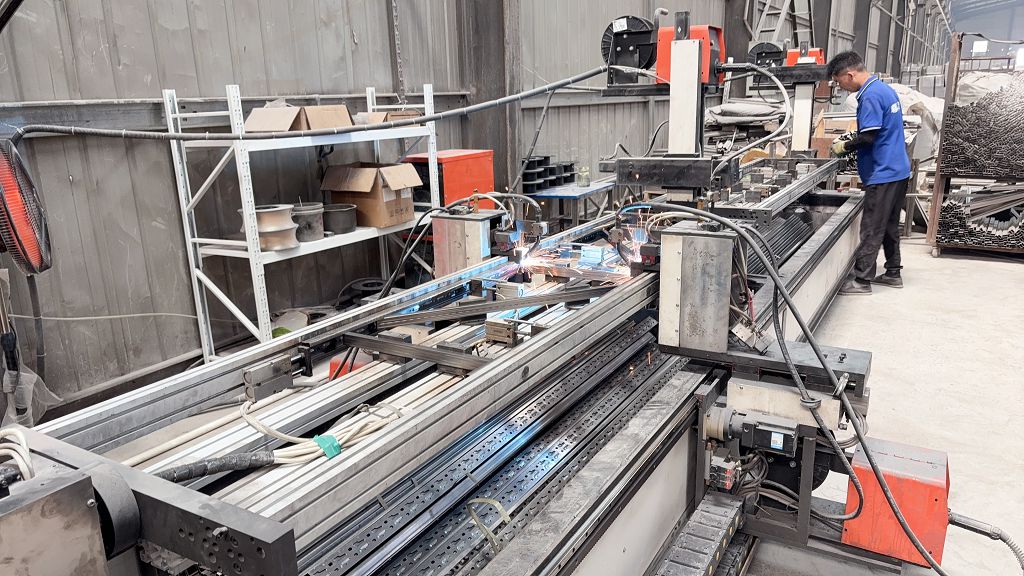
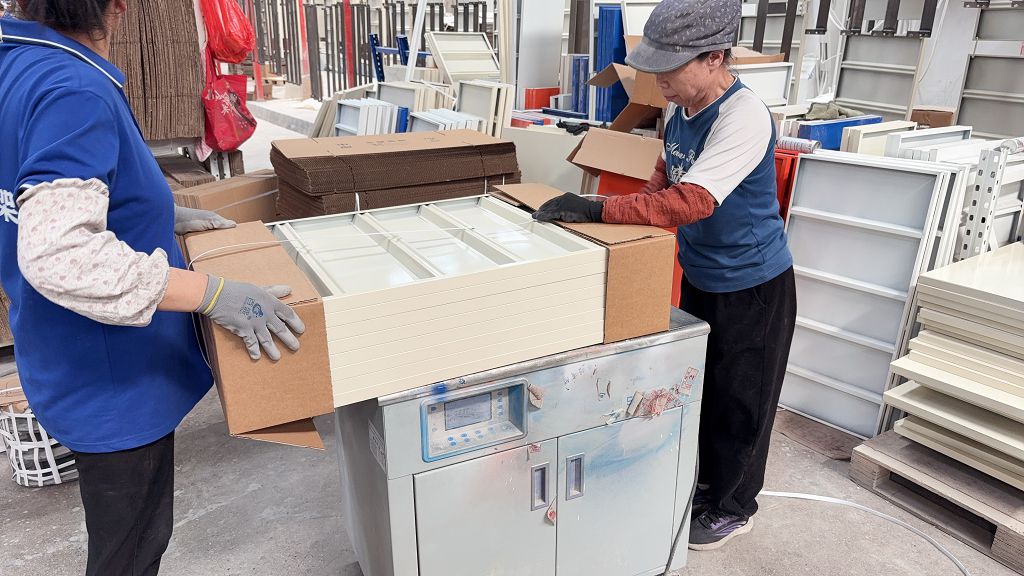
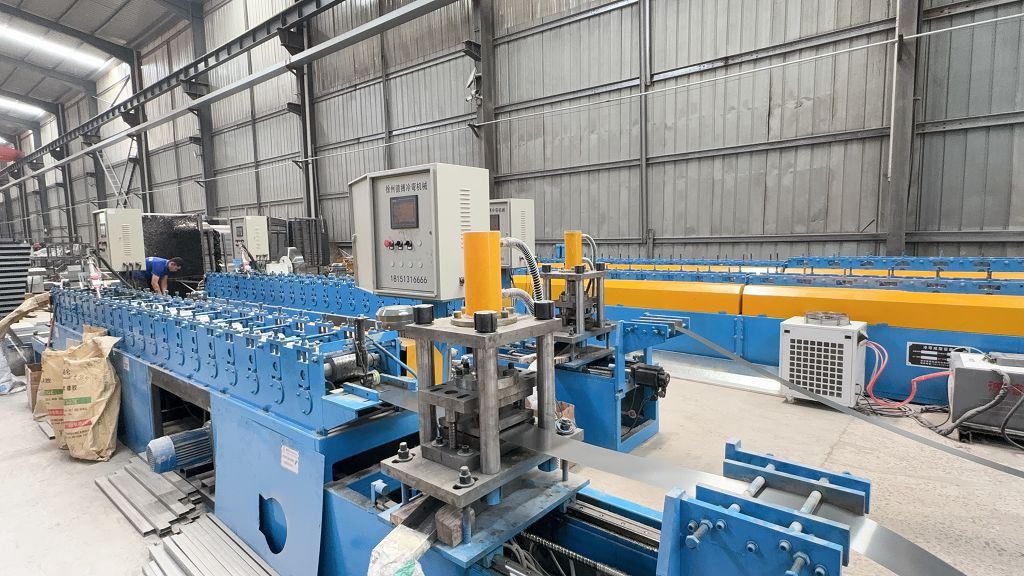
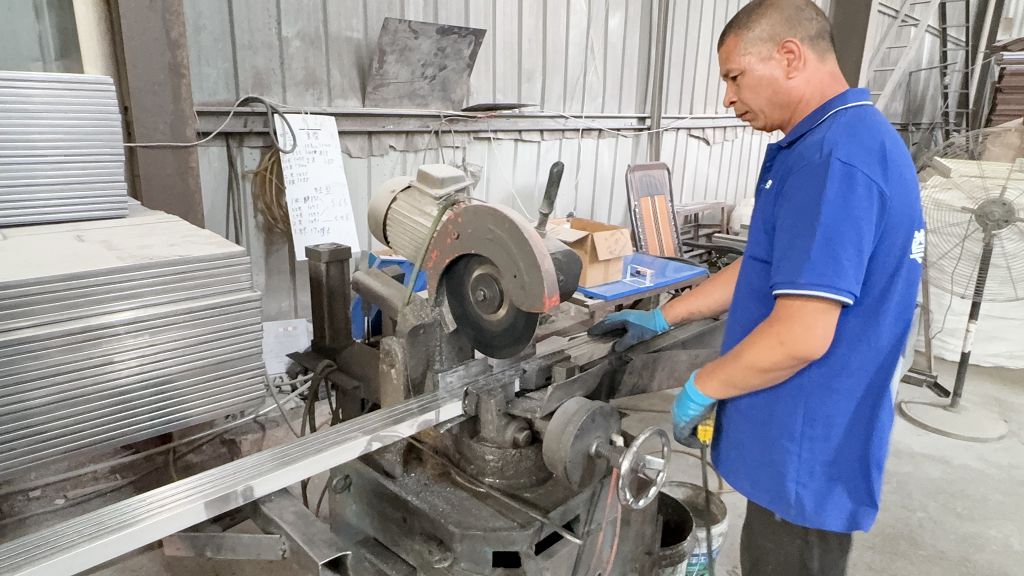
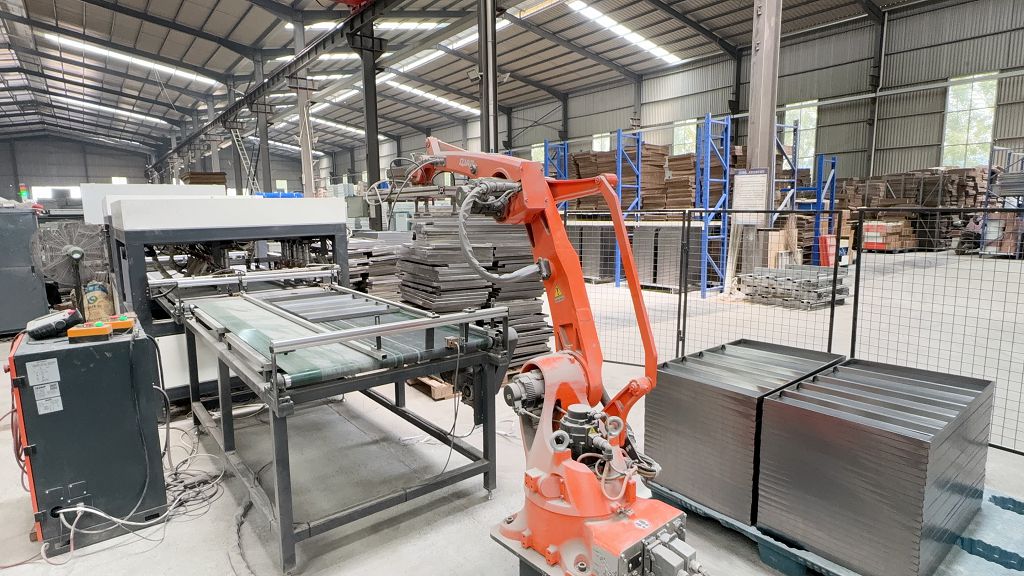
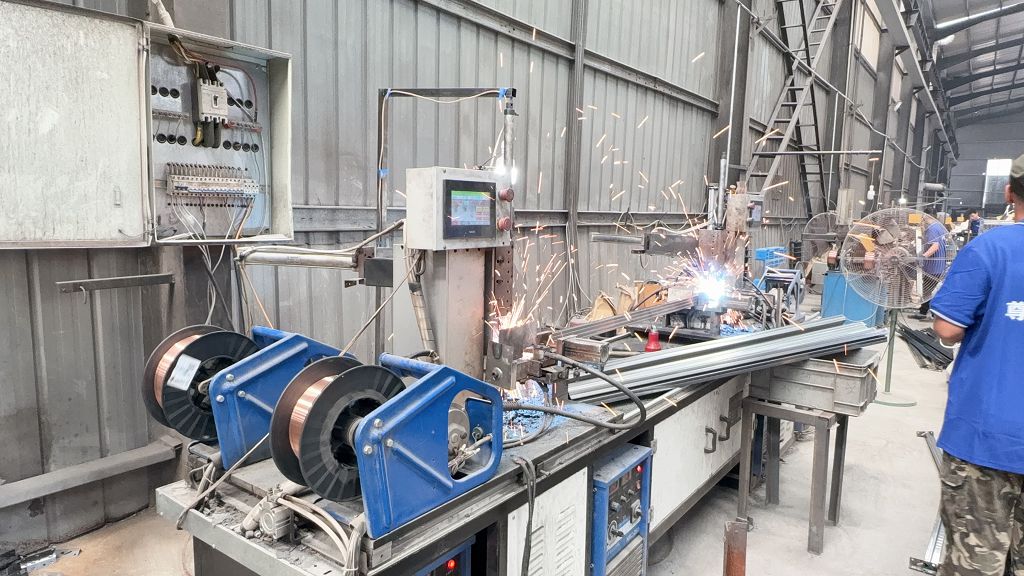
For international buyers sourcing from China, structural compliance with local building codes is a key procurement consideration. In many regions, storage racks are classified as building structures and must comply with seismic design regulations. We utilize Finite Element Analysis (FEA) software to simulate load behavior under regional seismic parameters, such as SDS values in North America or spectral acceleration values under Eurocode 8.
Surface treatments are also critical for structural durability. For indoor warehouses, electrostatic thermosetting epoxy-polyester powder coating (standard thickness of 70–90 microns) protects against mechanical wear and chemical exposure. For outdoor lumber yards, steel mills, or seaside ports, we supply Hot-Dip Galvanized (HDG) racking. This process coats the steel in a zinc bath, creating a metallurgically bonded protective layer (exceeding 80 microns) that prevents corrosion in high-humidity or coastal environments.
| Standard Code | Target Region | Primary Compliance Metric Evaluated | Engineering Significance |
|---|---|---|---|
| ANSI/RMI MH16.1 | North America (USA, Canada) | Seismic load calculations, dynamic impact resistance, deflection bounds | Required for local building permits and warehouse occupancy clearance |
| FEM 10.2.09 | European Union | Safety factors for steel structural design, connection fatigue, arm deflections | Ensures compliance with European health and safety regulations (CE mark) |
| AS 4084-2012 | Australia & New Zealand | Testing methods for structural steel racks, upright limits, baseplate anchoring | Ensures compliance with Australian structural and safety standards |
| ISO 9001:2015 | Global Markets | Traceability of raw steel chemistry, weld penetration depth, batch inspection | Guarantees manufacturing process consistency from start to finish |
Sourcing structural steel from China requires careful management of shipping logistics. At Nanjing Lush Rack Co., Ltd., we utilize 3D nesting software to calculate cargo distribution patterns in standard containers (e.g., 40ft High Cube containers). This process packs the heavy, linear structural steel sections tightly while protecting painted surfaces from transit damage. Optimization reduces shipping costs per metric ton, which helps offset sea freight costs.
To support global deployments, we also provide detailed assembly drawings, structural anchoring plans, and on-site or remote installation guidance. Proper baseplate anchoring is critical: structural baseplates must be level and anchored to concrete slabs of sufficient thickness and compressive strength using heavy-duty expansion or chemical anchor bolts. This step maintains vertical alignment and ensures structural load ratings remain within design limits.
To maximize efficiency in material handling and storage, cantilever racking systems are customized based on the stored items' physical properties:
Engineering-focused answers to the most common questions asked by industrial warehouse procurement managers.
Engineered for heavy-duty industrial storage, bulk material picking, and high-performance warehouse integration.
 Lush Rack