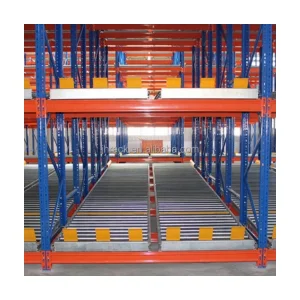
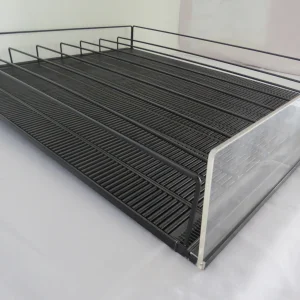
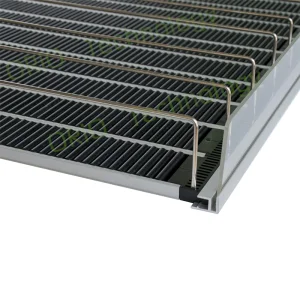
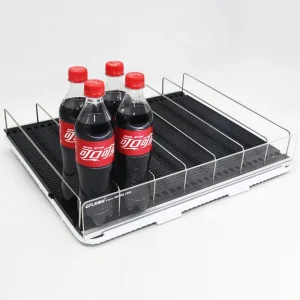
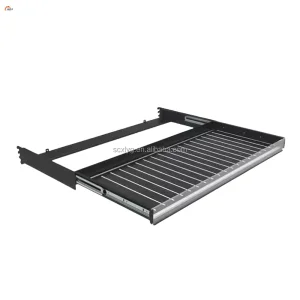
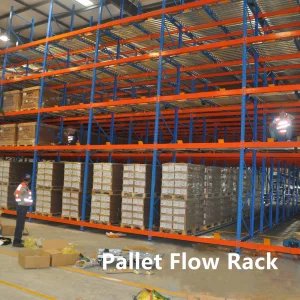
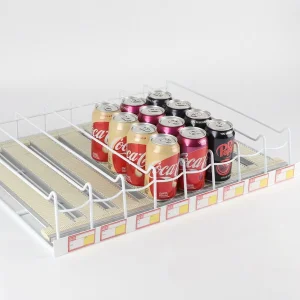
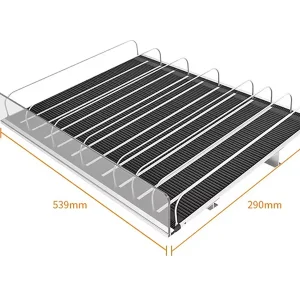
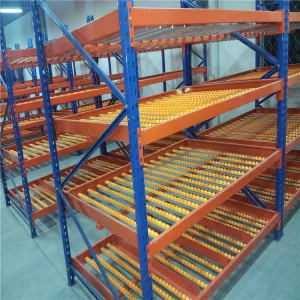
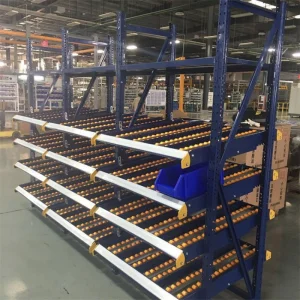
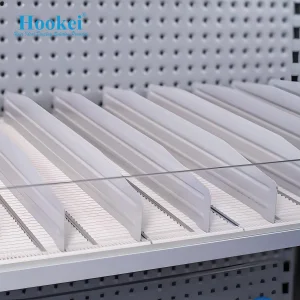
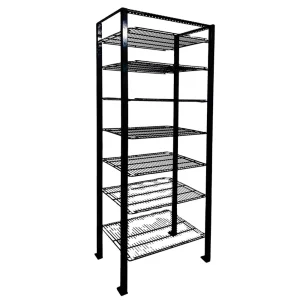
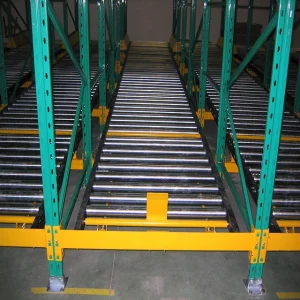
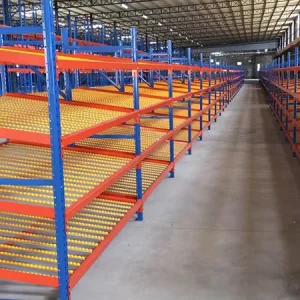
Top recommended racking and gravity flow tray solutions engineered for the commercial and industrial infrastructure of Poland.
Analysis of geographical, macro-economic, and infrastructure factors driving the demand for advanced warehouse technologies in Central and Eastern Europe.
Poland has firmly established itself as the premier logistics gateway of Central and Eastern Europe (CEE). With strategically designed highway networks (A1, A2, A4) intersecting regions like Warsaw, Upper Silesia, Poznań, Wrocław, and Łódź, major global e-commerce companies, automotive suppliers, and retail giants have placed their primary distribution hubs in the country. This rapid industrial expansion has catalyzed a structural transition from traditional static shelving to automated and semi-automated gravity flow systems.
Modern supply chain optimization in Poland demands high-efficiency warehouse throughput. Industrial operations face dual pressures: optimizing footprint utilization in premium logistic parks and mitigating the rising costs of operational labor. Gravity roller shelving solves these bottlenecks by utilizing gravitational potential energy, removing the need for electrical components inside the flow lane, and enforcing strict First-In, First-Out (FIFO) stock rotation cycles.
By switching from static shelving to gravity-assisted carton and pallet flow systems, regional Polish distribution centers have reported a reduction of up to 40% in order fulfillment times. This performance boost is achieved because walking distances are minimized, and product replenishment occurs independently of the picking aisle.
Depending on the region and the industry, gravity roller shelves are deployed to address specific operational challenges:
The macro-level migration towards dynamic storage and compliance frameworks within the European Union.
The worldwide supply chain landscape is moving towards sustainable, energy-efficient operations. Gravity-powered systems align perfectly with the EU Green Deal and global net-zero initiatives by eliminating motor-driven transport loops for short-distance distribution lanes.
Moreover, the growth of micro-fulfillment centers (MFCs) in metropolitan zones forces facilities to prioritize vertical space density over wide transit paths. Gravity-flow racks allow multiple SKUs to occupy a single lane depth, minimizing aisle space requirements.
For industrial structures installed within Poland, safety regulations demand strict compliance with regional and European standards. Gravity flow racking projects must adhere to:
For supply chain directors evaluating capital expenditure (CAPEX) investments, the long-term operational savings of gravity systems provide clear advantages:
| Parameters | Traditional Static Shelving | Gravity Roller Shelving (FIFO) |
|---|---|---|
| Space Utilization | Low (requires numerous loading aisles) | High (consolidated loading & pick faces) |
| Picking Efficiency | Moderate (high operator travel time) | Superior (products roll automatically to pick face) |
| Product Rotation | LIFO (requires manual relocation for FIFO) | Automatic FIFO (perfect for perishables) |
| Power Requirements | Zero | Zero (pure kinetic design) |
| Durability & Maintenance | Low maintenance, static load only | High durability, periodic roller lubrication/inspection |
A trusted manufacturing partner delivering high-quality racking systems, innovative storage concepts, and long-term value globally.
Nanjing Lush Rack Co., Ltd. is a professional manufacturer specializing in industrial storage racking systems and warehouse storage solutions. The company is dedicated to the research, design, production, and installation of a full range of warehouse racks and shelving systems, providing efficient and reliable storage infrastructure for modern logistics and supply chain operations.
With strong engineering capabilities and advanced manufacturing equipment, Nanjing Lush Rack Co., Ltd. is able to deliver complete warehouse racking solutions from concept design and structural calculation to production, quality inspection, and installation guidance. Our engineering team works closely with clients to analyze warehouse space utilization, material flow, and load requirements, ensuring that each solution is safe, stable, and cost-effective.
The company maintains a strict quality control system throughout the production process, from raw material selection to final product inspection. All racking systems are designed and manufactured to meet international safety and durability standards, ensuring long service life and reliable performance even under heavy industrial use.
Nanjing Lush Rack Co., Ltd. has a skilled technical team and an experienced sales department that provides responsive communication and professional support. With stable production capacity and efficient supply chain management, we are capable of handling both standard orders and large-scale customized projects with consistent quality and on-time delivery.
Our products are widely used in industries such as logistics and distribution, e-commerce fulfillment centers, manufacturing, automotive parts storage, cold chain logistics, and retail warehousing. We have established a strong customer base across domestic markets in China, and our products are also exported to Southeast Asia, Europe, North America, and other international regions.
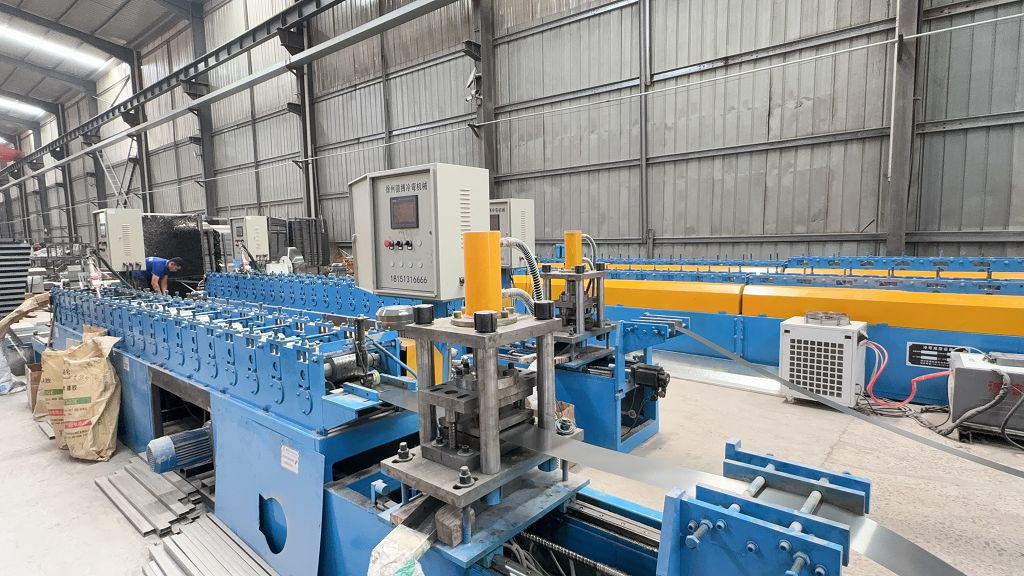
Precision engineering and automated assembly processes supporting European market demand.
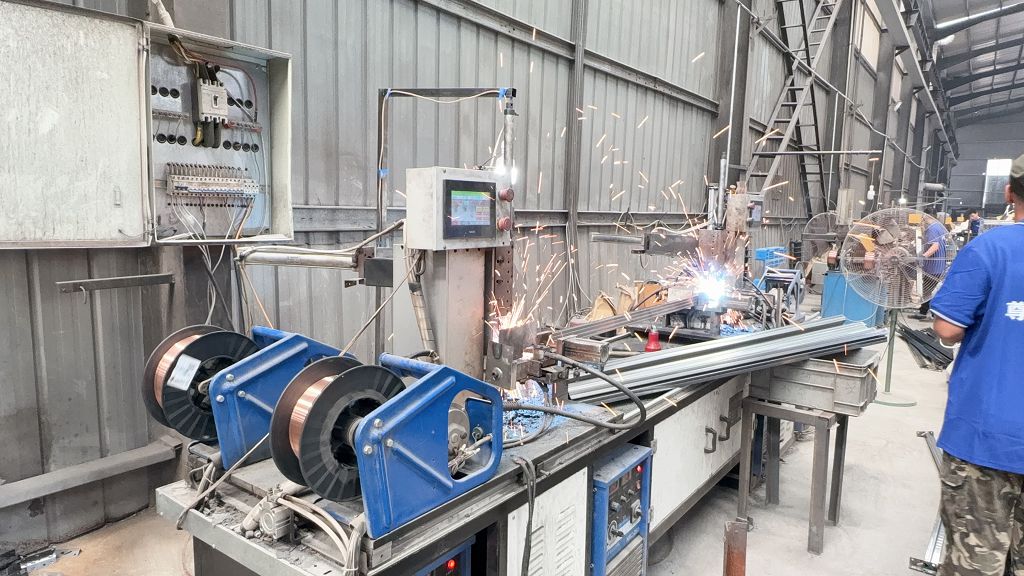
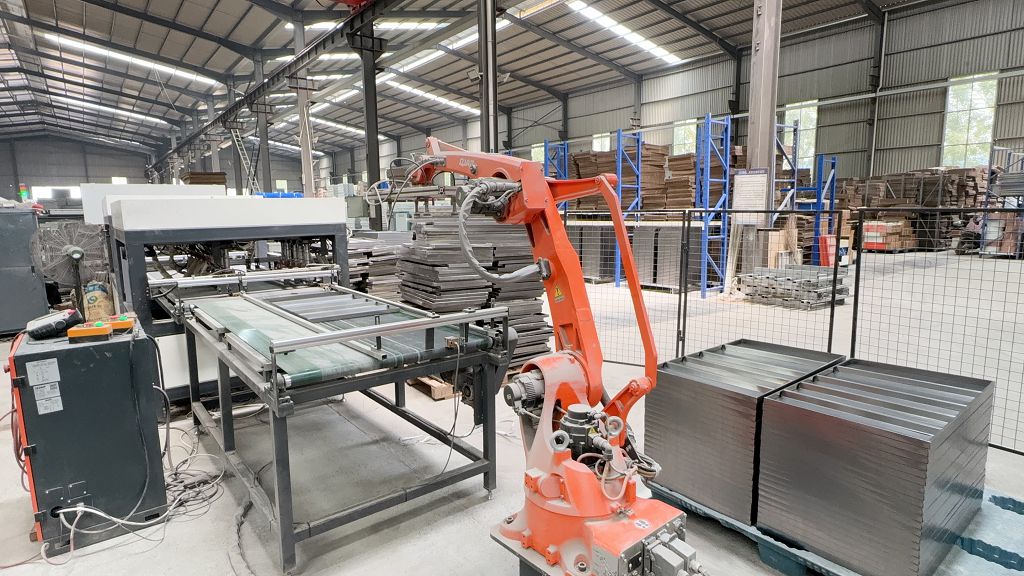
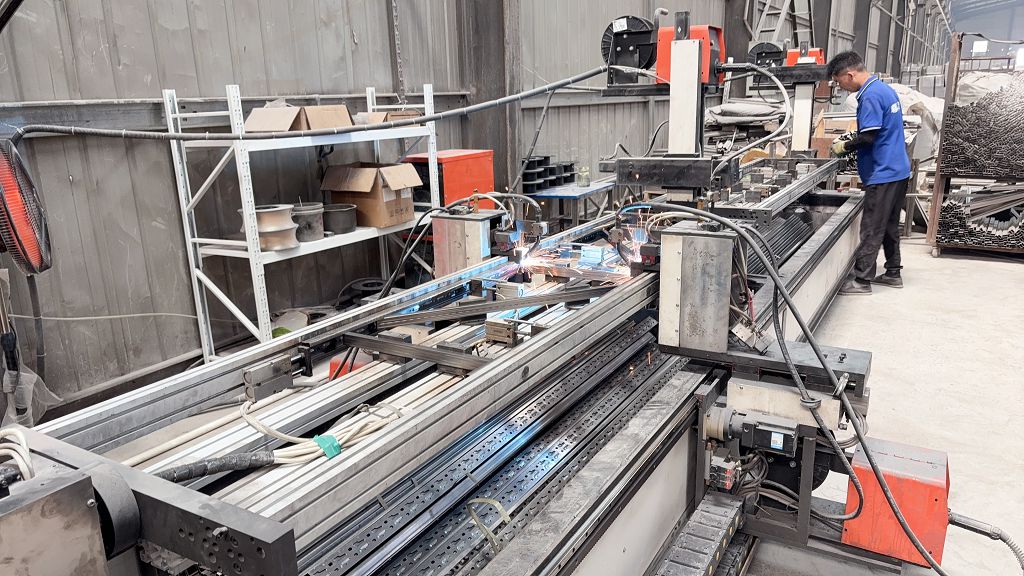
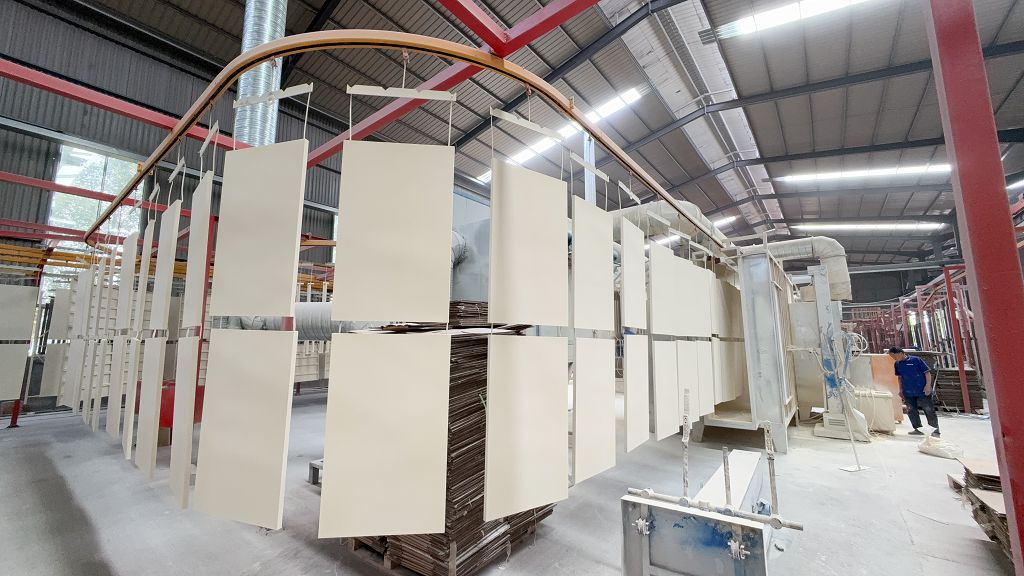
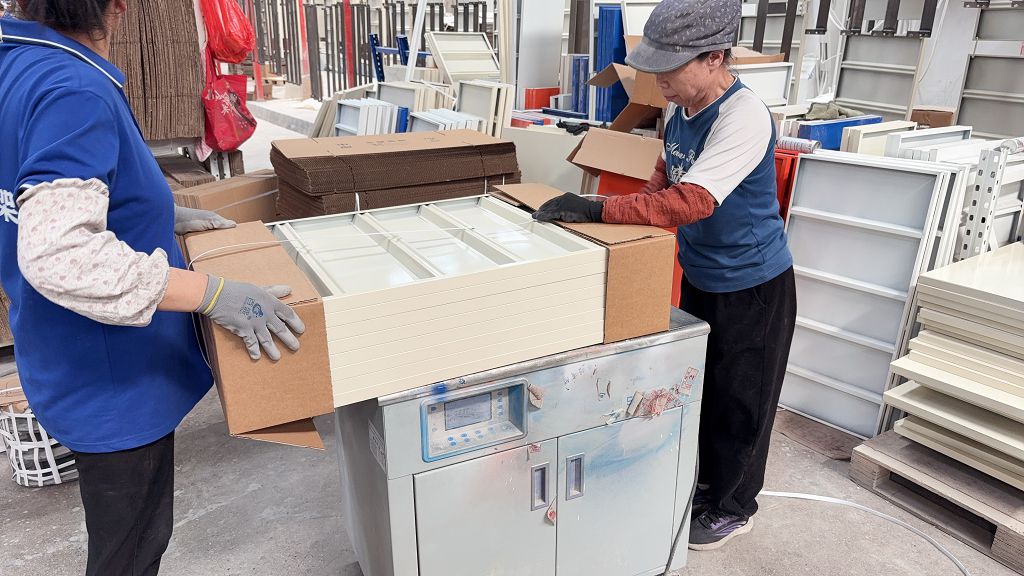
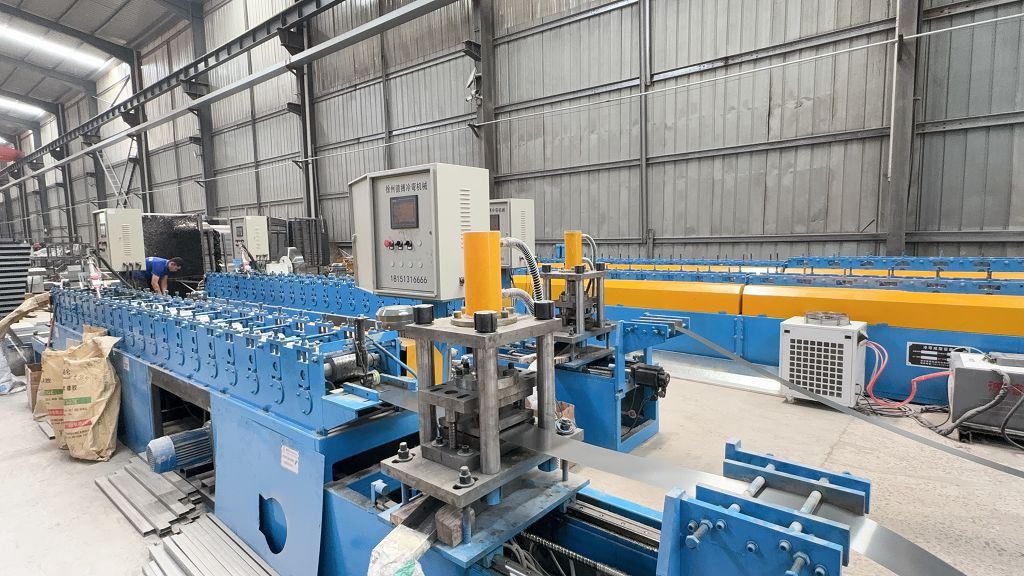
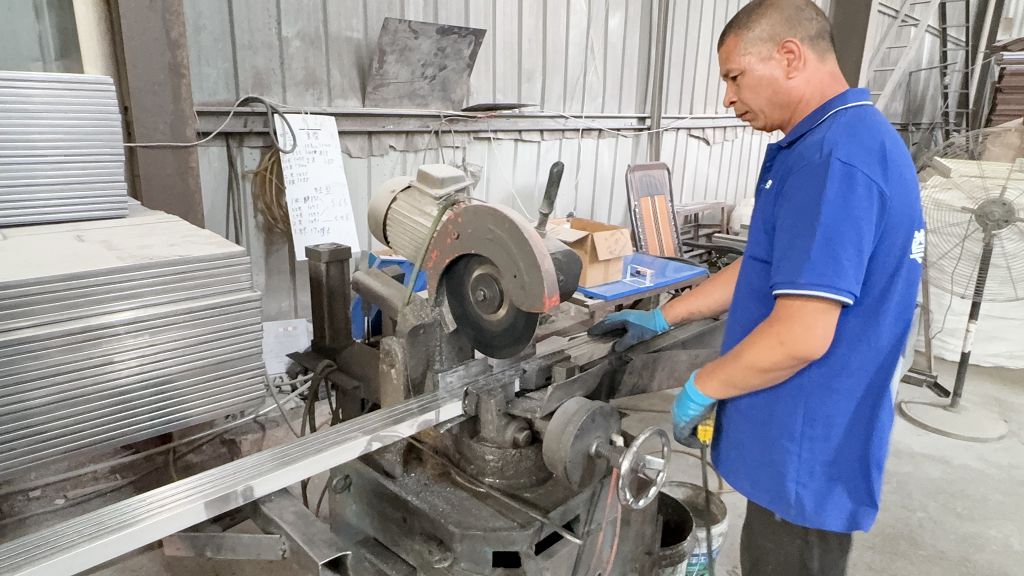
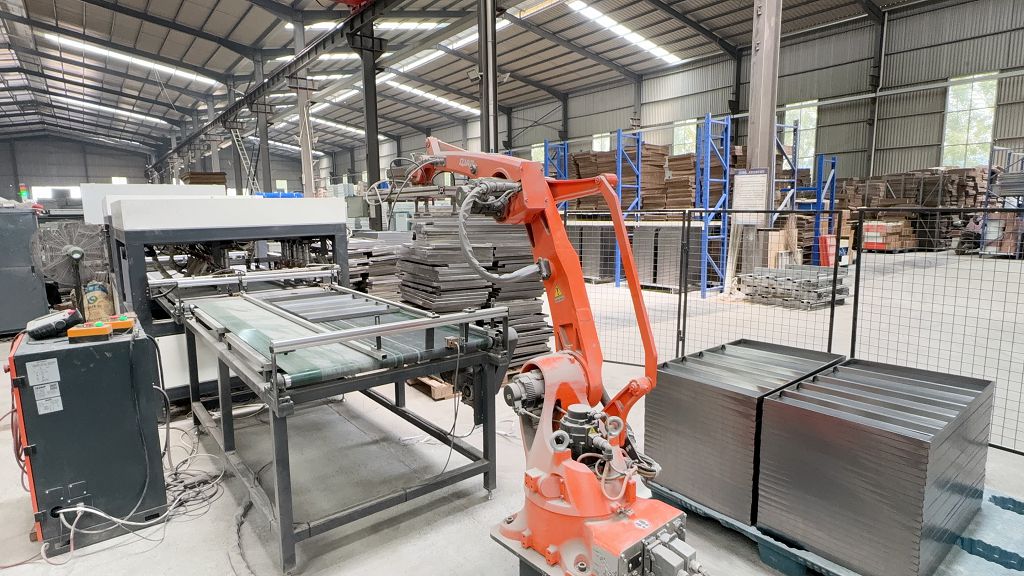
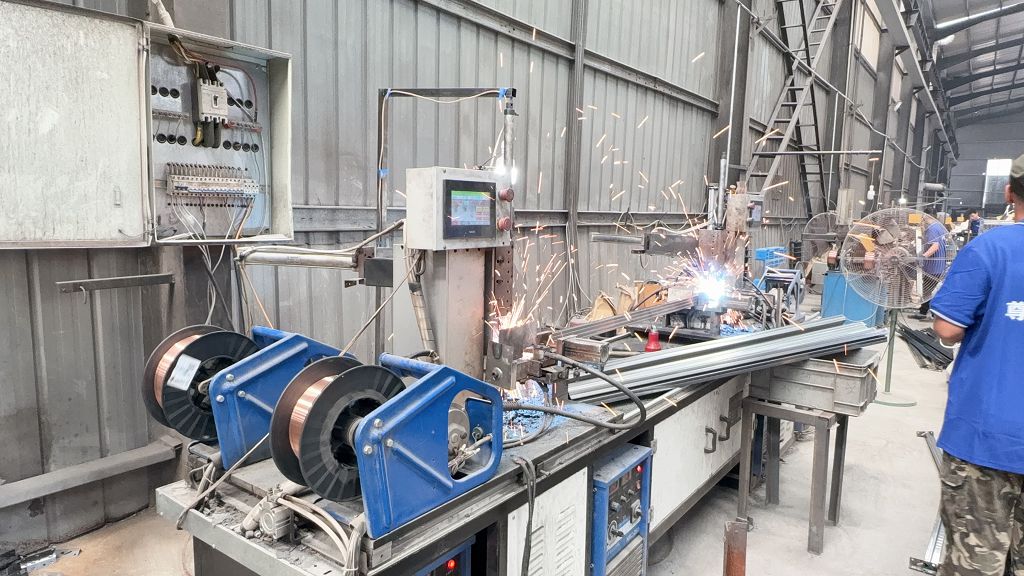
Deep engineering insights into material properties, structural capacity calculations, and flow dynamics.
The selection of raw materials determines the efficiency, load threshold, and noise index of gravity-fed tracking systems. Nanjing Lush Rack relies on engineered polymers to ensure high durability:
Proper box movement along gravity lanes depends on exact inclination calculations. Our design engineers determine these values using precise parameters:
Standard Formula Factors: Weight profile ($W$), carton surface coefficient ($C$), and local relative humidity ($H$).
For standard cardboard cartons weighing between 2kg and 15kg, a gravity slope of 3.5% to 4.5% is required. For heavier plastic crates or structural pallets, the angle is reduced to 3.0% to 3.5% to prevent excessive kinetic acceleration.
To support high-throughput modern logistics centers, we continuously develop new product features:
Explore our complete range of gravity roller systems engineered for warehousing and retail store applications in Poland.
Expert technical answers to optimize planning for gravity storage installations in European warehouses.
 Lush Rack