High-durability storage designs customized for Nagoya industrial zoning, featuring optimized air ventilation, fire compliance, and structural load ratings.
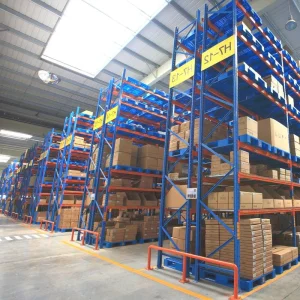
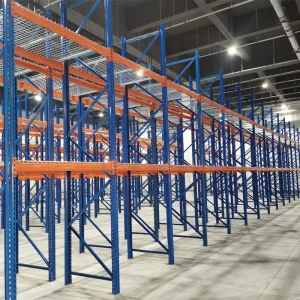
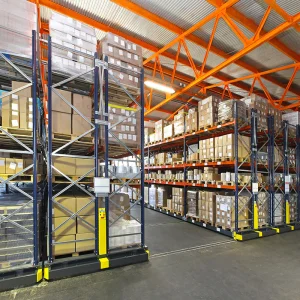
As the industrial engine of the Tokai region, Nagoya acts as a vital command center for global automotive manufacturing, aerospace development, and marine logistics. With the presence of manufacturing giants like Toyota Motor Corporation in the surrounding Aichi Prefecture, Nagoya's distribution networks require high-velocity logistics infrastructure that can withstand immense load stresses while optimizing facility footprint.
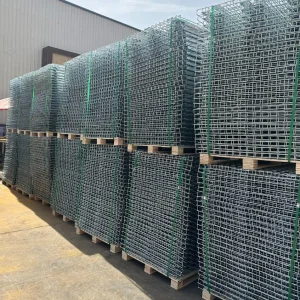
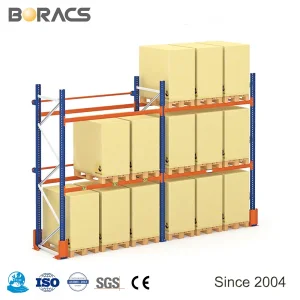
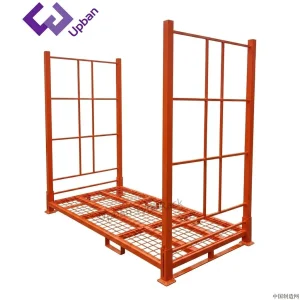
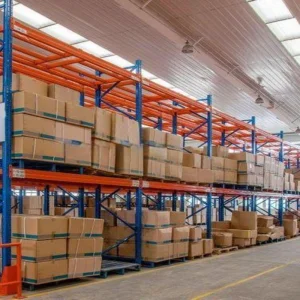
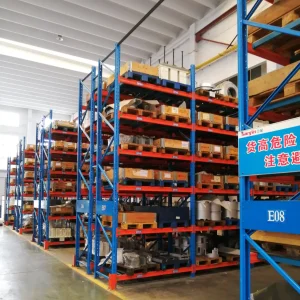
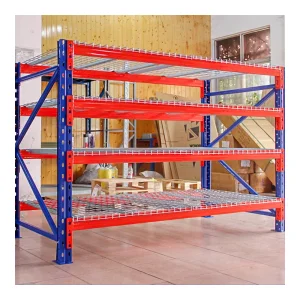
In this dense high-performance manufacturing zone, warehousing racking systems are not merely static steel shelves; they are integrated components of a dynamically managed supply chain. Racking installations serving Nagoya's industrial sectors must feature maximum flexibility, rapid access profiles, and robust fire and seismic protection. Steel wire mesh decking racks have emerged as the industry benchmark, providing key ventilation, sprinkler penetration, and safety advantages over standard wood or solid metal plate decks.
Compliance Note: All racking systems deployed in the Tokai region must satisfy the rigorous requirements of Japanese Building Standards Act and fire prevention guidelines set by Aichi Prefecture fire bureaus.
Located in the Tokai seismic zone, Nagoya-based warehouses require storage racking built to mitigate the risk of high-intensity earthquake events. Designing racking systems for this environment requires rigorous structural analysis to ensure high seismic load resistance:
Engineered for maximum stability, load capacity, and fire-safe operations inside Nagoya's heavy industry zones.
Manufactured from high-grade Q235 carbon steel and cold-rolled structural shapes, guaranteeing high yield strength comparable to JIS G3101 SS400 standards. This provides extreme resistance to buckling or permanent deformation under static and dynamic loading.
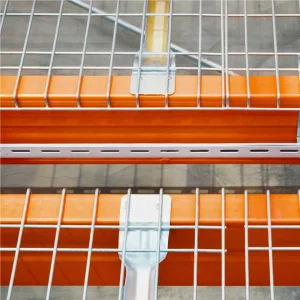
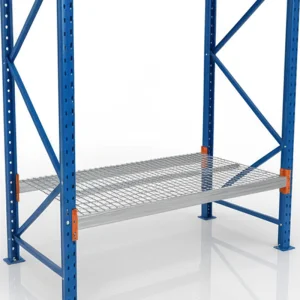
Supports flared channels, universal fit step channels, and inverted clean channels. Underneath the wire mesh, multiple welded structural channels distribute heavy point loads to standard step or box beams, preventing sagging and deformation.
Featuring a 50x50mm or 50x100mm open grid matrix that complies with NFPA 13 and Japanese local fire-fighting standards. By allowing sprinkler water to penetrate throughout multi-tier structures, it minimizes insurance premiums and safeguards your inventory.
A rigorous engineering process underpins each wire mesh decking component. Standard configurations include a 4.0mm to 6.0mm wire diameter matrix, cross-welded at every intersection using high-cycle automatic welding machines. This guarantees consistent strength across the grid panel. Depending on application needs (e.g., electronic parts vs. heavy engine castings), our systems can handle Uniformly Distributed Loads (UDL) ranging from 300kg to over 1,500kg per shelf level.
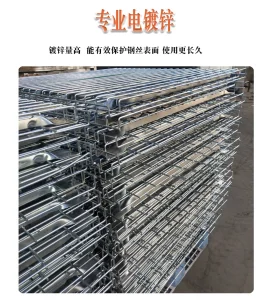
To prevent rust and surface wear in damp coastal zones near the Port of Nagoya, our steel mesh is available in three distinct surface treatments: 1. Electro-Galvanized (zinc plating): Bright aesthetic, ideal for standard dry warehouses. 2. Hot-Dip Galvanized (HDG): Provides thick protection, perfect for cold chain storage and facilities exposed to high humidity. 3. Electrostatic Powder Coating: Offers high chemical resistance and allows color-coding for warehouse inventory management.
Inside our advanced production facilities: highlighting precision engineering, automated welding, and rigorous quality assurance.
Nanjing Lush Rack Co., Ltd. utilizes advanced manufacturing facilities to produce durable, highly reliable warehouse racking systems. Our production workflow combines automation, high-capacity equipment, and strict quality control to deliver racking components that consistently meet international safety standards.
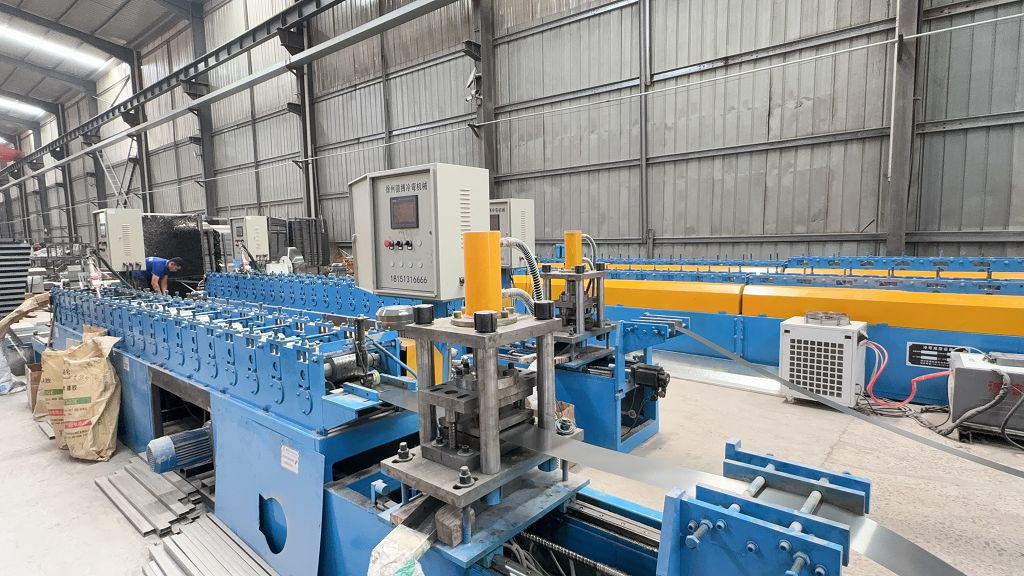
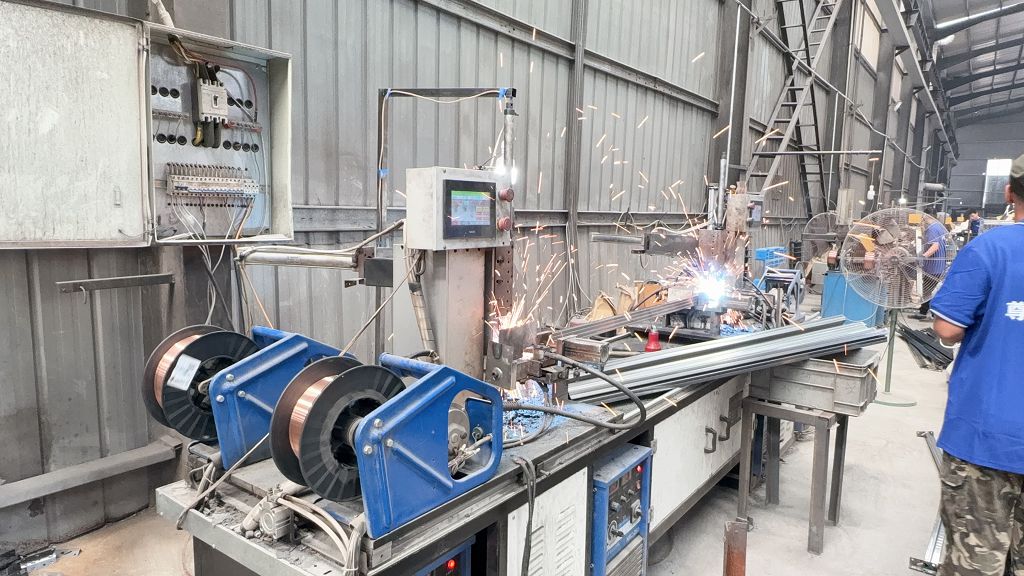
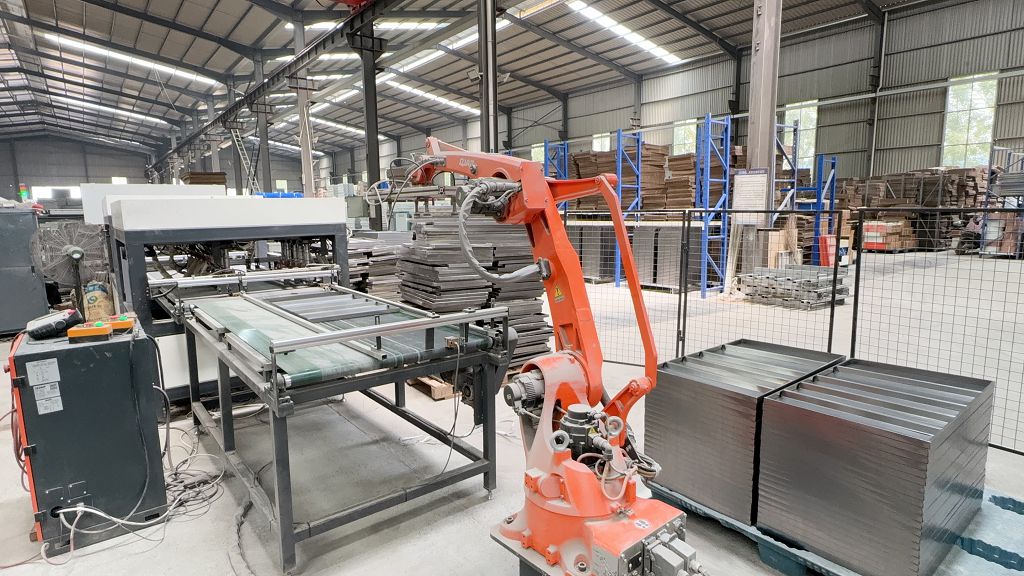
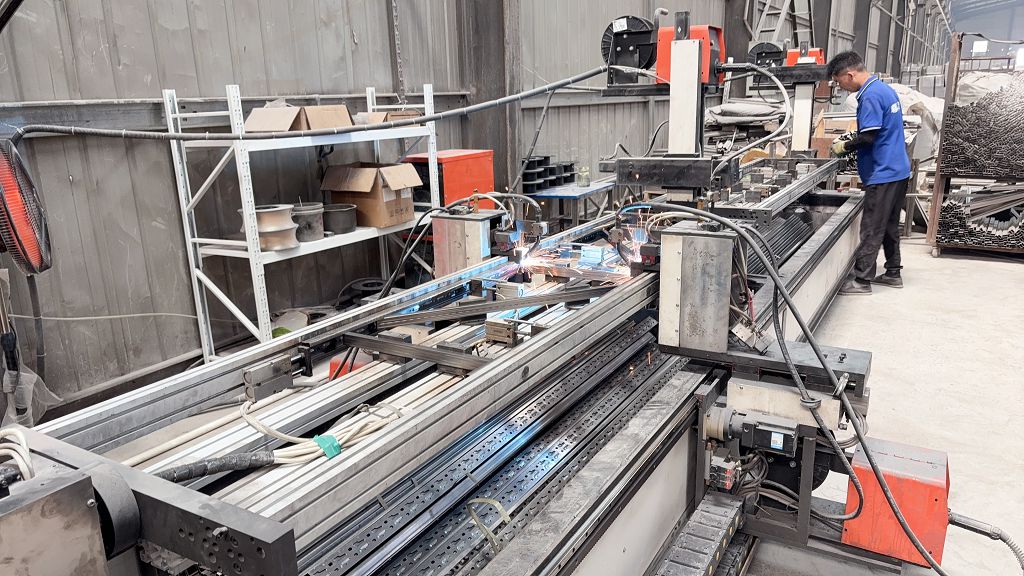
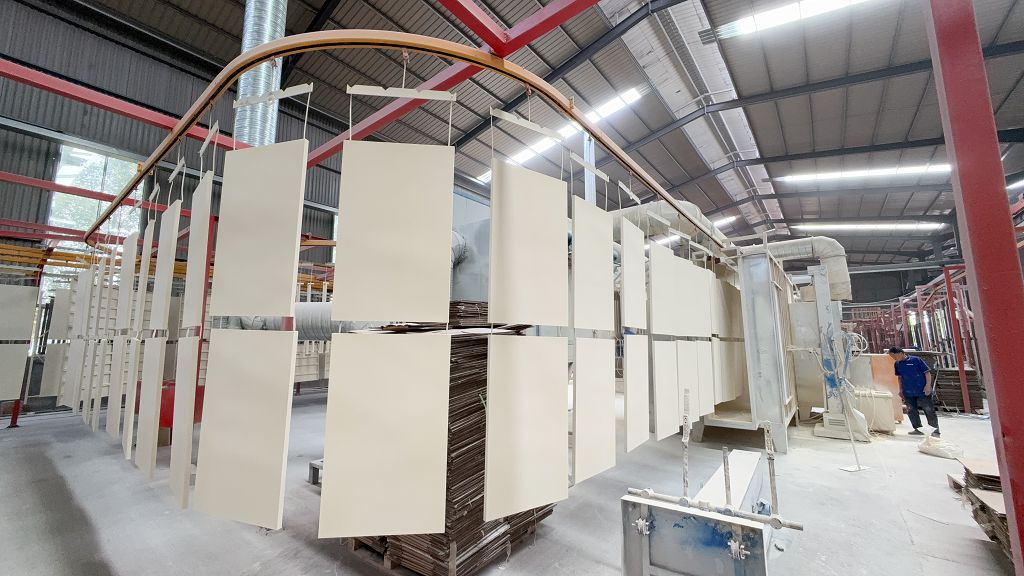
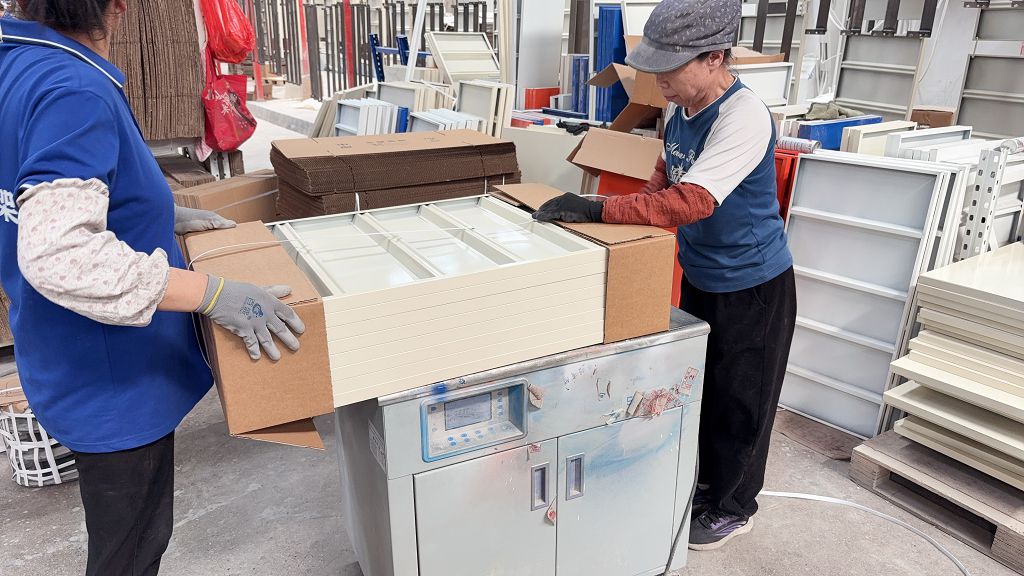
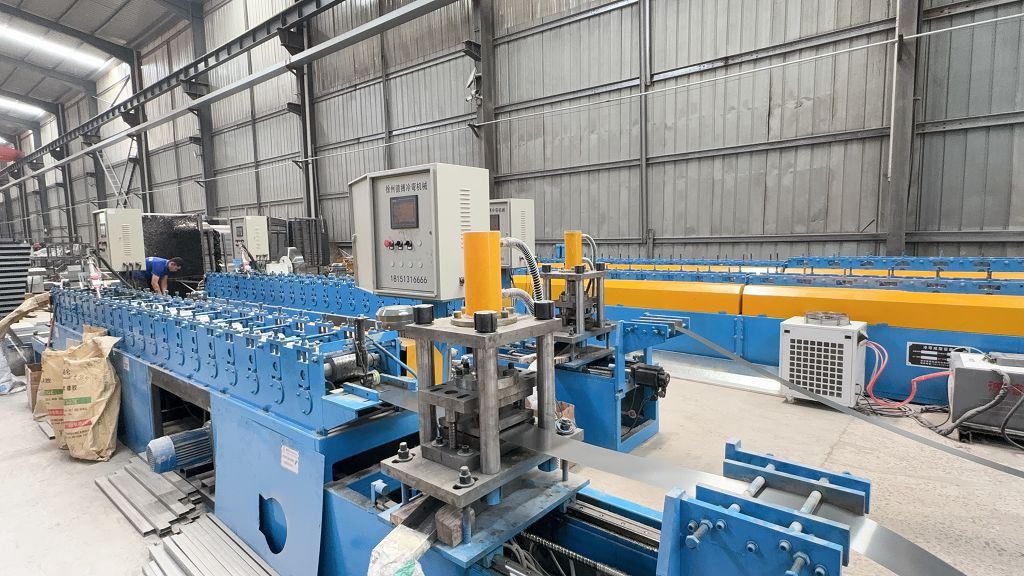
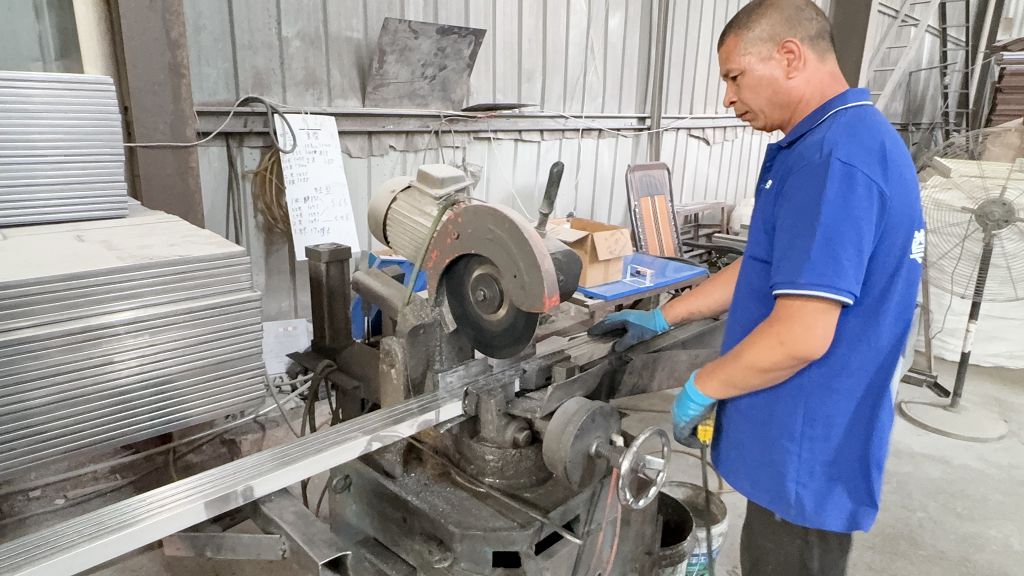
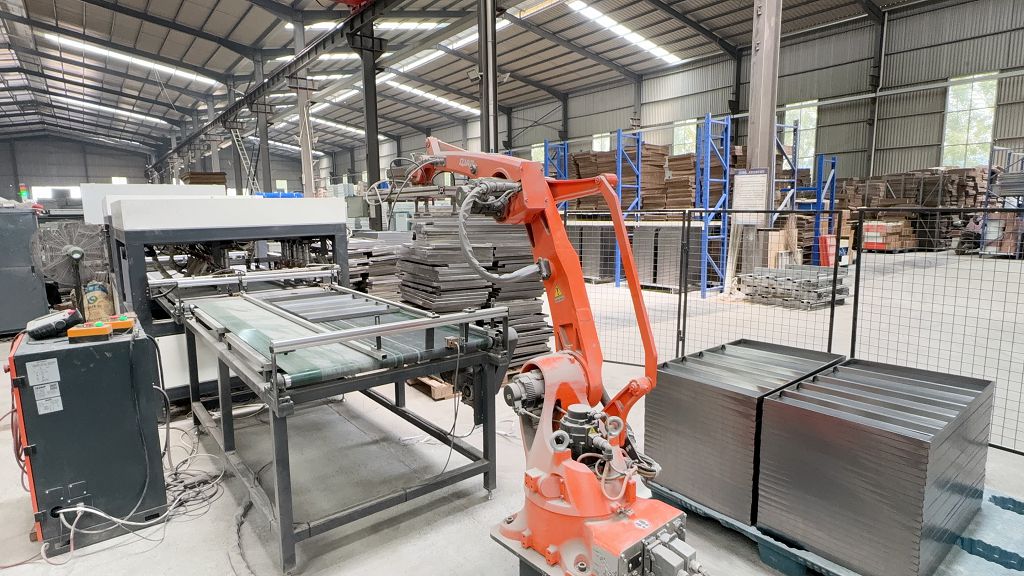
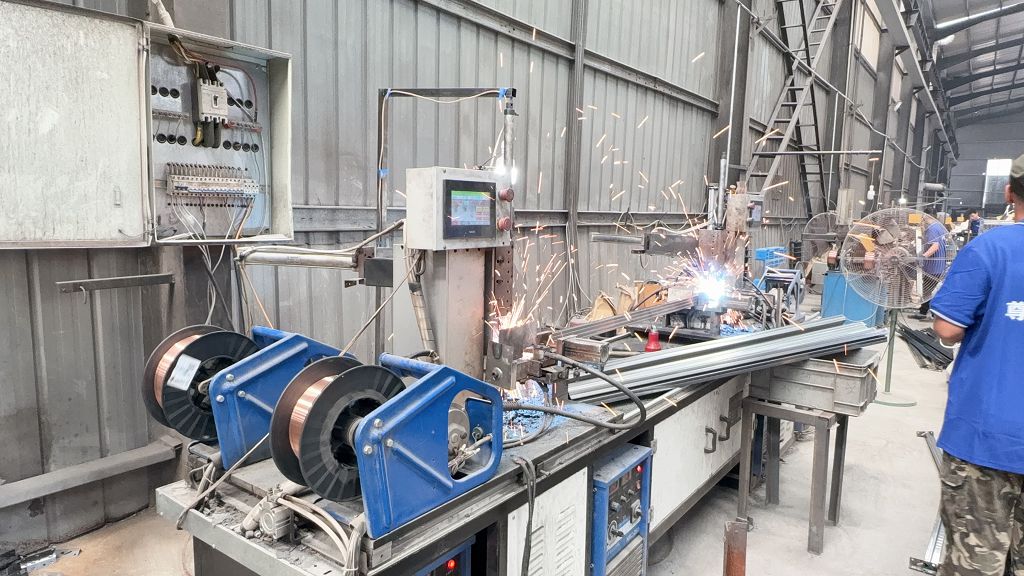
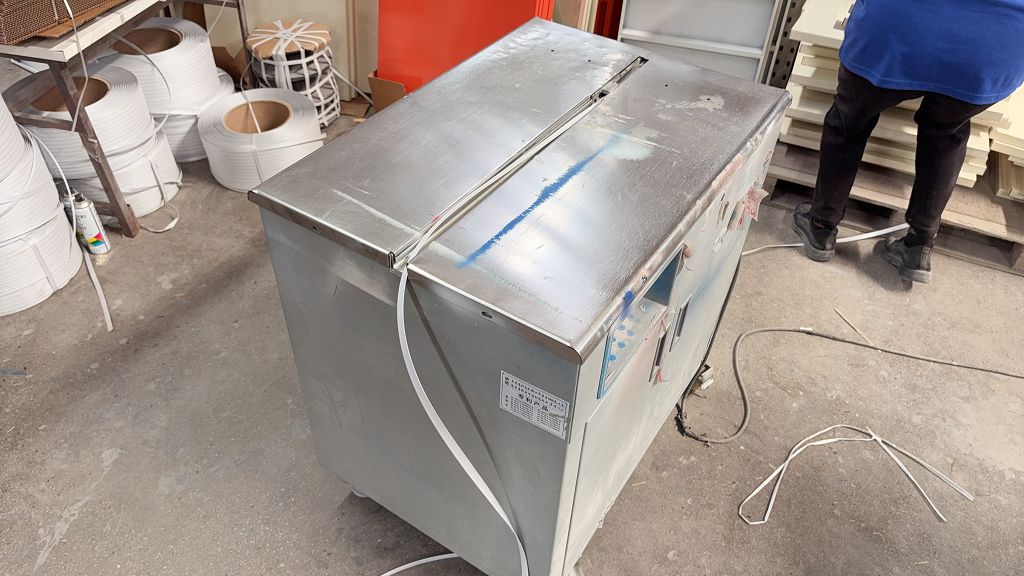
100% Inspected & Loading Capacity Tested
Nanjing Lush Rack Co., Ltd. utilizes its proximity to major raw material steel mills and nearby deepwater shipping terminals in Nanjing and Shanghai to ensure stable supply chains for customers in Nagoya. We provide continuous raw material supply and price stability, even during periods of global market volatility.
Shipping from Shanghai or Nanjing to the Port of Nagoya takes approximately 3 to 5 days on direct sea lanes. This fast transit time allows us to manufacture custom-engineered steel racks and deliver them to your Nagoya facility on a timeline comparable to local Japanese fabricators—but at a competitive cost structure.
We combine manufacturing efficiency in China with support tailored for the Japanese market. Our engineering team assists Nagoya-based customers at every stage, including structural calculations, layout optimizations, and installation guidance.
We construct our racking systems to align with Japanese Industrial Standards (JIS). By using standard metric dimensions and pitch increments, our wire mesh decks integrate cleanly with existing Japanese material handling equipment, automated storage and retrieval systems (AS/RS), and standard plastic containers.
Adapting to the future of warehousing: Smart material handling, AGV integrations, and eco-friendly manufacturing.
As Nagoya warehouses adopt Autonomous Guided Vehicles (AGVs) and Autonomous Mobile Robots (AMRs), our racking systems incorporate low-tolerance, level-adjusted channels and smooth-profile mesh decks to prevent sensor interference and collision risks.
We utilize eco-friendly pre-treatment processes and low-VOC powder coatings to minimize environmental impact, helping our clients meet corporate sustainability objectives and comply with environmental standards.
Modular designs allow warehouse managers to easily adjust shelf configurations, add mezzanine levels, or scale up storage capacity as throughput demand changes, protecting your initial facility investment.
Common technical and logistics questions answered by our engineering and logistics specialists.
Select from our range of structural racking systems and wire mesh decks to optimize your facility's storage efficiency.
 Lush Rack